Died in Just Three Days! Doctor's Warning: If These 6 Symptoms Appear During Menopause, Go to the Hospital Immediately
Menopause is an inevitable stage in a woman's life, but some symptoms may be the final alarm signals from the body!
Doctors urgently remind that if menopausal women experience six specific symptoms, they must seek medical attention immediately, as delay could be life-threatening.
Recognizing these danger signals and taking prompt action can prevent irreversible consequences and help women safely navigate this special period.

Sudden Severe Headache—A Hidden Bomb in the Brain
Menopausal women experiencing sudden, unprecedented severe headaches that feel like their head is about to explode is definitely not ordinary migraine. This type of pain may be accompanied by nausea, vomiting, or blurred vision, often serving as a warning sign of cerebral hemorrhage or subarachnoid hemorrhage.
Due to declining estrogen levels, reduced vascular elasticity, and increased blood pressure fluctuations, menopausal women face a significantly higher risk of cerebrovascular accidents. When blood vessel walls cannot withstand the pressure and rupture, blood directly stimulates the meninges or compresses brain tissue, triggering severe headaches.
Every minute in such a situation is crucial, as ongoing bleeding continuously worsens brain damage, potentially leading to permanent neurological deficits or even death.
Seeking immediate medical attention can secure valuable treatment time, allowing emergency surgery or medication to control bleeding and save lives.
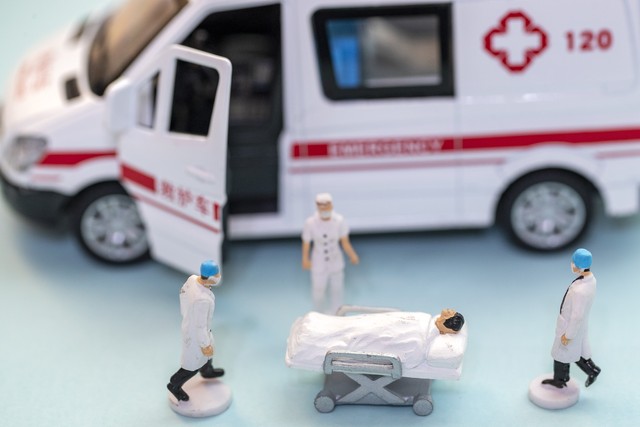
Chest Pain Accompanied by Difficulty Breathing—A Distress Signal from the Heart
Menopausal women who suddenly experience crushing pain in the chest area along with difficulty breathing may be experiencing symptoms of acute myocardial infarction.
After menopause, women lose the protective effects of estrogen on the cardiovascular system, and the incidence of coronary heart disease rises rapidly to a level comparable to that in men.
When the coronary arteries become suddenly blocked due to thrombosis or spasm, myocardial cells begin to necrotize from ischemia and hypoxia, leading to severe chest pain. This pain may radiate to the left shoulder, back, or jaw, accompanied by symptoms such as cold sweats and paleness.
Once myocardial cells necrotize, they cannot regenerate. Therefore, treatment must be time-sensitive. Emergency interventional treatments such as balloon angioplasty or stent implantation must be performed as early as possible to save more myocardial tissue and prevent severe complications like heart failure.

Unilateral Limb Weakness—A Clear Indicator of Stroke
Sudden onset of unilateral limb weakness or numbness, especially when occurring on one side of the face, arm, or leg, must be highly alert for ischemic stroke.
During menopause, due to hormonal changes, women experience increased blood viscosity, significantly raising the risk of blood clot formation. When a blood clot travels with the bloodstream into the cerebral arteries and causes a blockage, the corresponding area of brain tissue becomes functionally impaired due to ischemia, interrupting the neural pathways that control movement on the opposite side of the body.
In this scenario, time is brain—every minute of delay in treatment results in the death of millions of brain cells.
Performing intravenous thrombolysis within 4.5 hours of symptom onset can dissolve the thrombus, restore blood supply to the brain, preserve neurological function to the greatest extent possible, and avoid the tragedy of lifelong disability.
Severe Abdominal Pain and Vomiting – A Life-Threatening Crisis in the Abdominal Cavity
Menopausal women experiencing sudden severe abdominal pain, especially when the pain is localized and worsened by pressure, may be suffering from life-threatening conditions such as ruptured abdominal aortic aneurysm or acute pancreatitis.
After menopause, women experience reduced collagen synthesis and decreased vascular wall strength, increasing the risk of abdominal aortic aneurysm formation. Once an aneurysm ruptures, blood floods into the abdominal cavity, causing severe abdominal pain and shock.
Similarly, due to changes in cholesterol metabolism during menopause, the incidence of gallstones increases, which may trigger acute pancreatitis.
These conditions require urgent surgical intervention, as any delay can lead to septic shock or multiple organ failure, endangering life. Seeking immediate medical attention for imaging tests and emergency surgery is the only way to save the patient.
Massive Vaginal Bleeding – An Unignorable Red Alert
If a menopausal woman suddenly experiences massive vaginal bleeding accompanied by blood clots and tissue fragments, this is by no means normal menstrual irregularity. Menopause is a high-risk period for gynecological malignancies, and conditions such as endometrial cancer and cervical cancer may present with abnormal bleeding.
At the same time, hormonal fluctuations can also lead to dysfunctional uterine bleeding, which, in severe cases, may cause hemorrhagic shock. Persistent bleeding not only leads to anemia but may also mask more serious underlying conditions.
Seeking emergency medical care allows for rapid hemostasis through diagnostic dilation and curettage (D&C), while also obtaining tissue for pathological examination to confirm the diagnosis and rule out malignant tumors. Timely intervention can not only control acute bleeding but also enable early cancer detection, allowing for the best possible treatment window.

Alteration of consciousness and psychiatric abnormalities – warning signs of metabolic disorders
Menopausal women experiencing sudden confusion, abnormal behavior, or severe agitation may be exhibiting signs of severe hypoglycemia, hyperosmolar states, or electrolyte imbalances.
Menopausal women have an increased incidence of diabetes and significantly reduced blood glucose regulation ability, making them more susceptible to severe hypoglycemia during the use of hypoglycemic drugs. Brain cells rely on glucose for energy, and excessively low blood sugar can severely impair brain function, even leading to cerebral edema.
Similarly, dehydration or improper use of diuretics can lead to severe hypernatremia, causing disturbances in consciousness. If these metabolic issues are not promptly corrected, they can result in irreversible brain damage.
Emergency blood tests can provide a rapid and clear diagnosis, and targeted treatment can quickly reverse the condition, preventing serious outcomes.

Advice and Health Reminders
Menopausal women should undergo comprehensive annual health check-ups, including cardiovascular evaluation, gynecological examinations, and metabolic indicator testing.
Maintain a healthy lifestyle by consuming moderate amounts of soy products, whole grains, and fresh vegetables, while limiting high-salt and high-fat foods.
Engage in regular moderate exercise to maintain a healthy weight. Learn to recognize the aforementioned warning signs, keep a blood pressure monitor at home, and monitor your health regularly.
Remember, menopause is a period of high incidence of diseases, but it does not necessarily lead to deteriorating health. Scientific management and timely medical care can help women maintain a good quality of life.