47-Year-Old Patient with Uterine Fibroids Regrets Surgery Immediately After! Conscientious Doctor: Not Everyone Is Suitable for Surgery
A 47-year-old female patient suffered greatly after undergoing surgery for uterine fibroids. Originally thinking the problem was resolved, she ended up in a more complex health dilemma!
Doctors candidly state: Uterine fibroids are not as simple as "just cut them out." Choosing a treatment plan requires comprehensive consideration of multiple factors.
In conclusion, the treatment of uterine fibroids should be individualized. Surgery is not suitable for all patients, and blind surgery can lead to more problems.
The Pitfall of Overtreatment
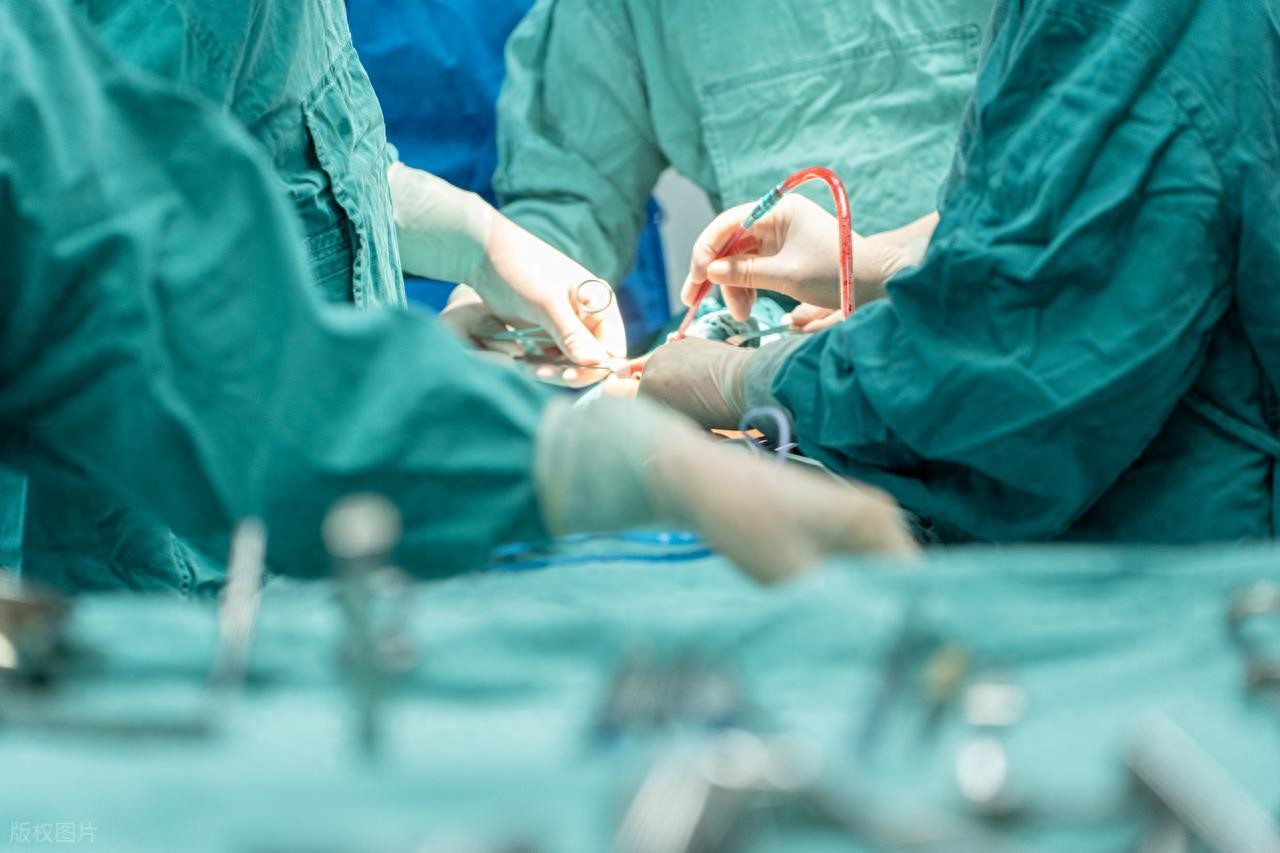
This patient became exceptionally anxious after discovering uterine fibroids and insisted on surgical removal, believing it to be a "once-and-for-all" solution. In reality, many uterine fibroids do not require immediate surgical intervention, especially in cases of small, asymptomatic fibroids or patients nearing menopause.
The growth of uterine fibroids is closely related to estrogen levels. As estrogen levels decline after menopause, most fibroids naturally shrink. For small, asymptomatic fibroids, regular observation is often a more reasonable approach.
Overly aggressive surgical treatment not only fails to provide additional benefits but may also increase the risk of unnecessary trauma and complications.
Doctors need to comprehensively evaluate factors such as the size and location of the fibroids, symptoms, as well as the patient's age and fertility needs to formulate an individualized treatment plan.
Grasping the Surgical Indications
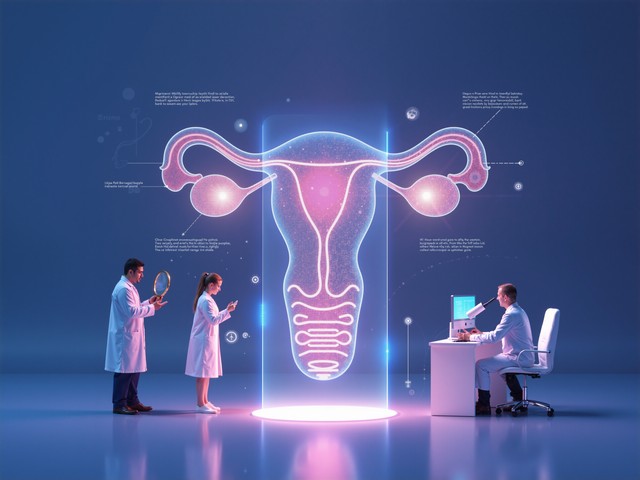
The surgical indications for uterine fibroids have clear criteria, including menorrhagia leading to anemia, compression symptoms caused by fibroids, rapid growth in a short period raising suspicion of malignancy, infertility or recurrent miscarriages related to fibroids, and so forth.
Although this patient's fibroids were large in volume, there were no obvious symptoms, and other treatment options could have been considered. More and more research now shows that asymptomatic uterine fibroids, even if large in size, can be safely monitored.
The key is regular follow-up, monitoring changes in fibroid size and characteristics through ultrasound. Surgery should be considered only when obvious symptoms appear or malignancy is suspected. This approach avoids unnecessary surgical trauma without delaying treatment when needed.
Both doctors and patients should understand clearly: the presence of fibroids does not necessarily mean surgery is required.
Choices for Non-Surgical Treatment
In addition to surgery, uterine fibroids can also be effectively treated with various non-surgical methods. Drug therapies, such as gonadotropin-releasing hormone analogues, can shrink fibroids by reducing estrogen levels, which is particularly suitable for perimenopausal patients or as preoperative preparation.
Uterine artery embolization blocks the blood supply to fibroids, causing them to shrink and solving the problem while preserving the uterus. High-intensity focused ultrasound treatment utilizes focused sound waves to precisely ablate fibroid tissue with minimal trauma.
Each method has its own advantages and disadvantages and is suitable for fibroids of different types and locations. Patients should, under the guidance of a professional doctor, choose the most appropriate treatment plan based on their own condition, rather than blindly pursuing "radical" surgical treatment.

Postoperative Sequelae and Complications
Uterine fibroid surgery can bring about a series of short-term and long-term effects, which are often overlooked by patients eager to resolve the issue. Hysterectomy may affect ovarian blood supply, leading to early menopause and increasing the risk of cardiovascular disease and osteoporosis.
Even myomectomy, which preserves the uterus, may cause pelvic adhesions and affect intestinal function. Additionally, surgery may damage adjacent organs such as the ureters and bladder. Although the incidence is not high, the consequences can be severe.
The impact on work and daily life during the postoperative recovery period should also be factored into the treatment decision-making process. For patients nearing menopause, watchful waiting may be a wiser choice.

Psychological Factors and Decision-Making Quality
Many patients feel panic as soon as they hear the word "tumor," and this emotional reaction can interfere with rational decision-making. In fact, the vast majority of uterine fibroids are benign tumors, with a malignant transformation rate of less than 0.5%.
Understanding this fact helps alleviate unnecessary anxiety. Doctors have a responsibility to explain the characteristics of the condition and the pros and cons of various treatment options in detail, assisting patients in making decisions that align with their best interests.
Patients should also proactively seek more information to avoid being influenced by one-sided viewpoints. For asymptomatic fibroid patients approaching menopause, watchful waiting is often the best choice, as it can avoid surgical risks while achieving the same long-term outcomes.
Lifestyle Recommendations and Reminders
It is recommended that uterine fibroid patients seek a second medical opinion before choosing a treatment plan and fully understand the advantages and disadvantages of various treatment approaches. Maintain a balanced diet, limit red meat intake, and consume more cruciferous vegetables;
Maintain a healthy weight and avoid obesity; learn stress management techniques, as prolonged mental stress can affect endocrine balance. Schedule regular gynecological check-ups to monitor fibroid changes, maintain good communication with your doctor, and work together to develop the most suitable treatment plan.