Gynecologist: Women in Their Youth Do It at Least 10 Times in 3 Days! After Menopause, Most Experience These Conditions
Holding a cup of iced milk tea or cola in hand is the daily routine for many young women today. The instant coolness brought by "happy water" is hard to resist. However, the momentary pleasure may be planting hidden dangers for the body in the future.
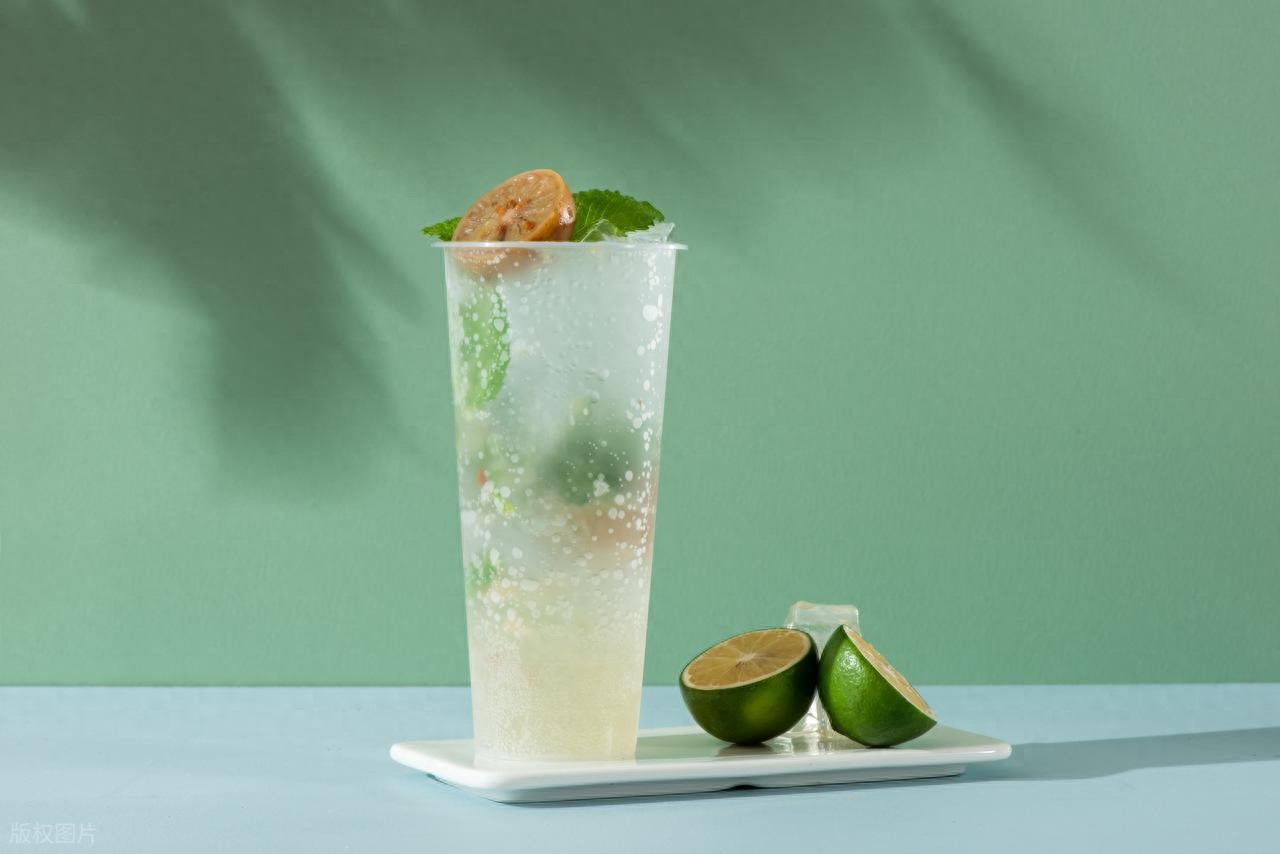
A survey tracking the lifestyle habits of some women in their youth found that many had records of consuming over 10 servings of ice-cold beverages within three days. As these women entered menopause, their physical conditions revealed some striking commonalities.
Traditional Chinese medicine often refers to "accumulation of cold pathogens," while modern medicine also believes that long-term, excessive intake of cold beverages can have chronic and cumulative effects on the human digestive, circulatory, and endocrine systems.
These effects may be masked in youth due to robust metabolism, but as age advances, especially during menopause when estrogen levels plummet drastically, all suppressed issues tend to erupt simultaneously.
After Menopause, Most of Them Encounter These Situations
1. Extreme sensitivity to cold, with limbs as cold as "ice blocks"
Many women who craved cold foods in their youth may find themselves more sensitive to cold than their peers after menopause. Even in summer, they dare not use air conditioning; their hands and feet remain perpetually cold and are difficult to warm up.
This is primarily because the long-term consumption of cold and cooling foods has damaged the body's yang qi. Yang qi is the source of warmth and energy in the human body.
In youth, abundant yang qi can still resist the cold; as one ages, yang qi naturally declines. Coupled with years of cold pathogen invasion, this leads to yang deficiency of the spleen and kidneys, which fails to warm the limbs and entire body, resulting in severe sensitivity to cold.
Second, the digestive system completely "shuts down," with bloating and loose stools becoming the norm.
After menopause, their digestive systems seem to become unusually delicate. If they eat even a little something that doesn’t agree with them, they feel bloated and experience vague abdominal pain, with stools often loose and poorly formed—what is commonly referred to as "loose stools."
Long-term consumption of cold foods directly irritates the delicate gastrointestinal mucosa, causing blood vessels to constrict, reducing blood flow, and disrupting the secretion of digestive juices.
This weakens gastrointestinal motility and significantly impairs digestion and absorption. Over years of accumulation, spleen and stomach functions become severely compromised, making digestive issues particularly prominent when overall bodily functions decline during menopause.
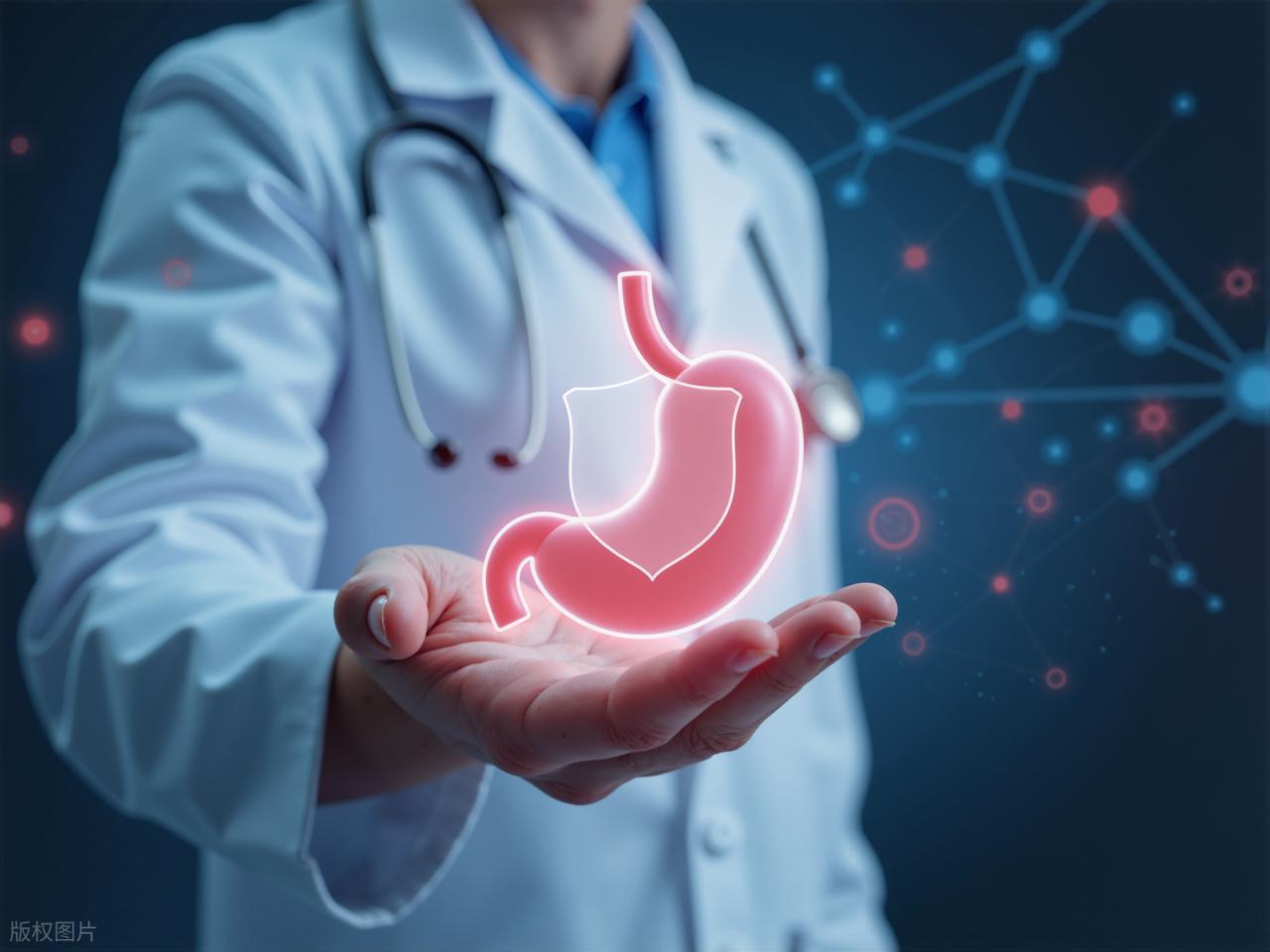
III. History of Dysmenorrhea and Persistent Abdominal Pain After Menopause
In their youth, many of them experienced severe dysmenorrhea, often relying on painkillers to endure it. After menopause, although menstruation ceases, cold pain and a sensation of heaviness in the lower abdominal area still frequently occur.
This is a typical manifestation of cold congealing and blood stasis. Cold pathogens cause long-term poor blood circulation in the uterus and surrounding tissues, leading to the formation of stagnant blood.
This state of "stasis" does not automatically disappear with menopause. Instead, due to the slowing of qi and blood circulation, it becomes a stubborn lesion, leading to issues such as chronic pelvic pain.

Fourth, a sense of fatigue follows like a shadow, with listlessness and low spirits.
Menopausal symptoms like hot flashes and insomnia are already exhausting, and these women often also experience a profound, bone-deep sense of fatigue. They constantly feel low in energy, lack interest in anything, as if their vitality has been drained prematurely.
This stems from a dual deficiency of spleen yang and kidney yang. The spleen is the source of qi and blood production, while the kidney is the root of primordial qi. Cold pathogens damage yang, directly impairing the functions of these two core organs.
Insufficient production of qi and blood, combined with primordial qi deficiency, naturally manifests as extreme fatigue and mental lethargy.

Advice and Remedial Suggestions for Young Women
Gradually reduce intake and replace ice with warmth: Start immediately by decreasing the frequency and amount of cold beverage consumption. Try substituting with room-temperature drinks, warm water, hot tea, or ginger and red date tea. Allow your body to gradually adjust to a comfortable state without the stimulation of icy temperatures.
Focus on diet to warm and nourish the spleen and stomach: Consume more warm, soft, easily digestible foods such as millet porridge, pumpkin, and yam. Avoid raw, cold fruits and vegetable salads, especially during menstruation and in colder seasons.
Engage in appropriate exercise to promote the rise of yang energy: Maintain a daily routine of moderate exercise, such as brisk walking, jogging, or yoga. Exercise promotes blood circulation, helps the body generate heat, and disperses internal cold and dampness.
External warmth and protecting key areas: Pay special attention to keeping the abdomen, waist, and feet warm. In summer, when in air-conditioned rooms, use a shawl and wear socks to prevent cold pathogens from directly entering the body through these key areas.

The body is a faithful diary, every cause you sow in your youth will bear its corresponding fruit in middle age and beyond.
For cold drinks, a moment of indulgence may demand decades of physical discomfort to repay in the future.
Prevention is always better than cure. From now on, nurturing your body with a cup of warm water is storing the most precious health treasure for yourself twenty or thirty years from now.