Cervical Cancer Doesn't Happen Without a Reason! Observations: People with Cervical Cancer Often Engage in These 7 Habits
Cervical cancer, often referred to as the "silent killer" of women, is one of the most common malignant tumors of the female reproductive system.
However, unlike many other cancers, the cause of cervical cancer is very clear—it is persistent infection with high-risk HPV (human papillomavirus).

But why is it that some people are able to clear the virus through their own immune system, while others eventually develop cancer? This is closely related to an individual's lifestyle and habits.
Research has found that women diagnosed with cervical cancer often share certain common "high-risk behaviors" in their lifestyle habits.
These behaviors act like an "accelerator" for persistent HPV infection and the progression to cancer. Understanding and avoiding these behaviors is our most powerful weapon to stay away from cervical cancer.

1. Neglecting HPV Screening and Vaccination
This is the most critical among all high-risk behaviors.
Never or rarely undergoing cervical cancer screening (including HPV testing and TCT examination) prevents timely detection and intervention of precancerous lesions.
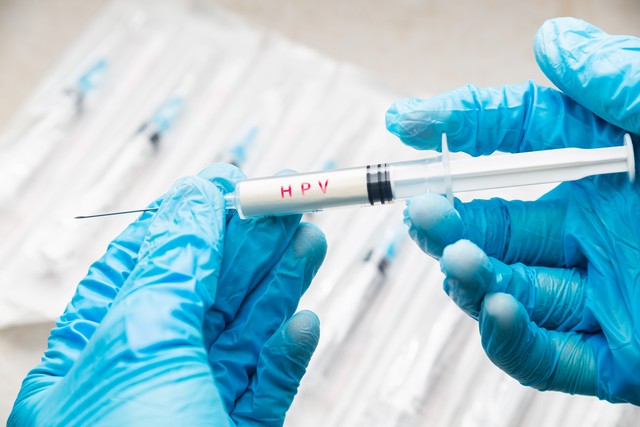
Meanwhile, missing the optimal period for HPV vaccination is equivalent to abandoning the most important line of defense against HPV infection.
2. Long-Term Smoking or Secondhand Smoke Exposure
Harmful substances in tobacco, such as nicotine and tar, are not only the primary culprits of lung cancer but also highly concentrated in cervical mucus.
These carcinogens directly damage the DNA of cervical cells and disrupt the local immune environment, making it difficult for the immune system to clear the HPV virus and significantly increasing the risk of cancer.
3. Early Sexual Debut and Multiple Sexual Partners
During adolescence, the squamous epithelial cells of the cervix are not yet fully developed, making them less resistant to diseases. Early initiation of sexual activity (especially before the age of 16) and having multiple sexual partners significantly increase the chances and variety of exposure to and infection with high-risk HPV viruses.

4. Multiple miscarriages or frequent childbirth
Multiple pregnancies, childbirths, or abortions can cause repeated mechanical damage to the cervix.
During the repeated repair processes of the cervix, cellular proliferation becomes more active, and the probability of abnormal hyperplasia increases under the interference of HPV. At the same time, endocrine changes caused by multiple pregnancies may also affect immune status.
Fifth, Long-term use of oral contraceptives
Studies have shown that long-term use of oral contraceptives (typically referring to 5 years or more) may increase the risk of cervical cancer.
This may be related to hormonal changes affecting the susceptibility of cervical cells to HPV or altering patterns of sexual behavior. However, this still requires comprehensive assessment in conjunction with other risk factors.

Six. Prolonged Weakened Immune System Function
The body's immune system is the only "antivirus software" for clearing HPV infection.
When conditions such as HIV infection, post-organ transplant immunosuppressive medication use, or long-term sleep deprivation, high stress, and malnutrition lead to immune system dysfunction, the body loses its ability to effectively recognize and eliminate abnormal cells infected by HPV, allowing them to progress unchecked.
Seven. Ignoring the existence of chronic gynecological inflammation
Recurrent gynecological problems such as vaginitis and cervicitis can damage the local microenvironment of the cervix and vagina, leading to impaired mucosal barriers. This long-term "inflammatory environment" is highly conducive to the establishment and proliferation of HPV virus, and facilitates its carcinogenic process.
How to Take Action and Build a Cancer Prevention Fortress?
Primary Prevention: Get Vaccinated. Receive the HPV vaccine as early as possible, covering as many virus subtypes as possible.
Secondary Prevention: Regular Screening. Even after vaccination, sexually active women should begin regular HPV and TCT combined screening from the age of 25-30. This is the "gold standard" for detecting precancerous lesions.
Change Lifestyle Habits: Quit smoking immediately, pay attention to sexual hygiene, use condoms correctly, maintain a single sexual partner, and avoid multiple abortions.
Boost Immunity: Ensure adequate sleep, balanced nutrition, regular exercise, and learn to manage stress. This is your body's built-in "best doctor".

The progression of cervical cancer is lengthy and clear, often taking years or even more than a decade to evolve from HPV infection to precancerous lesions and then to invasive cancer. This gives us ample opportunity to intervene and block its progression.
It doesn’t appear without reason; rather, each instance of neglect and unhealthy habits opens the door for it.
From now on, examine and adjust your lifestyle, using knowledge and action to firmly keep the initiative for health in your own hands.