Survey Finds: Menopausal Women Who Consume Large Amounts of Folic Acid May Experience Three Major Changes in Their Bodies
Folic acid is not just for pregnant women; menopausal women can also reap significant benefits from supplementing with an appropriate amount of folic acid!
Recent research has found that menopausal women who supplement with an appropriate amount of folic acid show significant improvements in cardiovascular health, emotional stability, and bone strength.
In conclusion, folic acid offers multiple protective effects for menopausal women, but it is important to note that supplementation should be moderate rather than excessive.
Protective Umbrella for the Cardiovascular System
Menopausal women face a significantly increased risk of cardiovascular disease, and folic acid plays a crucial role in this process. Folic acid is involved in the metabolism of homocysteine in the body, and elevated levels of this substance can damage vascular endothelium and promote atherosclerosis.
The decline in estrogen levels during menopause causes women to lose a natural protective barrier for cardiovascular health. Supplementing with an appropriate amount of folic acid can effectively reduce homocysteine levels in the blood, mitigating damage to the vascular endothelium.
Additionally, folic acid can improve vascular dilation function, helping to maintain normal blood pressure levels. This protective effect is particularly important for preventing hypertension and coronary heart disease, which are more prevalent among menopausal women, and serves as a cost-effective way to maintain cardiovascular health.
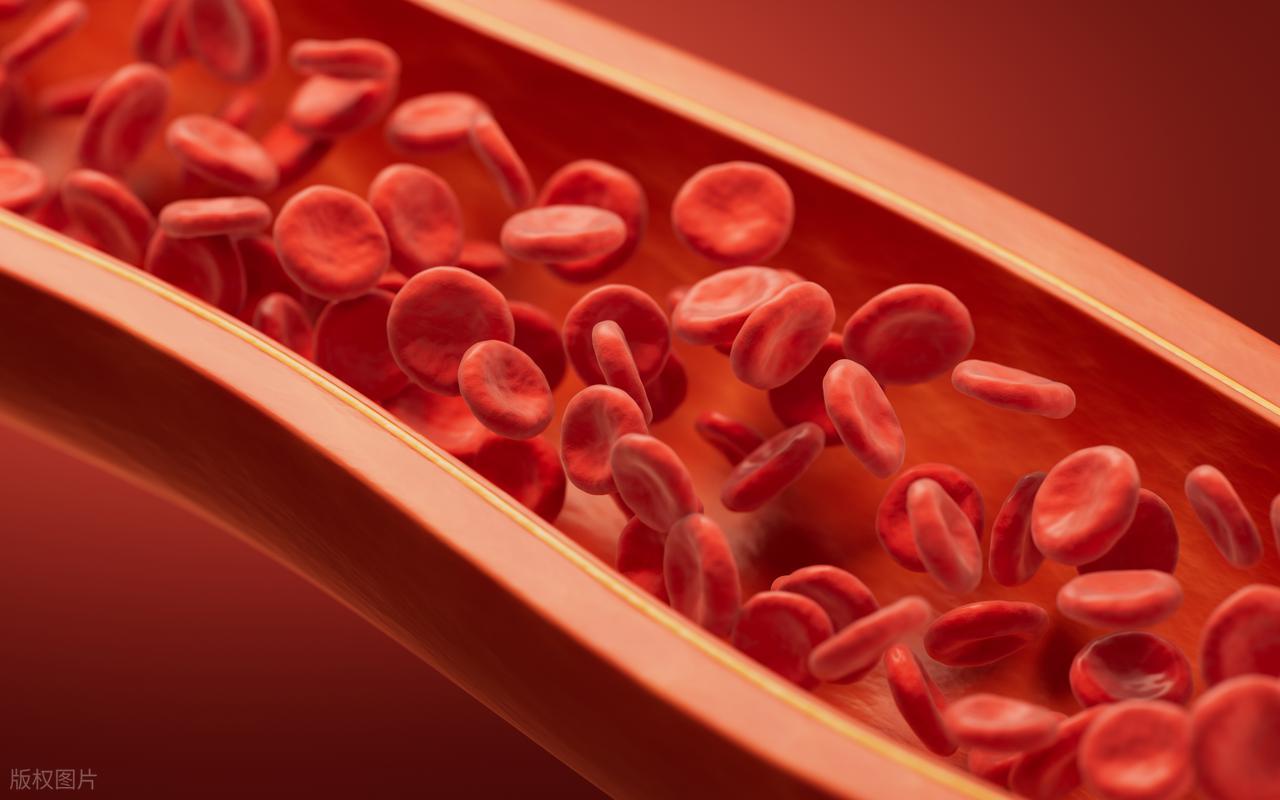
Stabilizer for Emotional Fluctuations
Menopausal women often experience noticeable emotional fluctuations, and folic acid plays an unexpected role in maintaining emotional stability. Folic acid is a key cofactor in the synthesis of neurotransmitters such as serotonin and dopamine, which directly influence mood regulation.
Menopausal hormonal changes can disrupt the balance of neurotransmitters, leading to low mood, anxiety, and irritability. An appropriate amount of folic acid can support the normal synthesis of neurotransmitters, helping to maintain emotional stability.
Women with adequate folic acid levels tend to navigate the emotional fluctuations of menopause more easily. Folic acid also works synergistically with vitamin B12 to protect nerve cell health and prevent age-related cognitive decline.

Supporter of Bone Health
Osteoporosis poses a major health threat to menopausal women, and folic acid plays a unique role in bone metabolism. It participates in methylation reactions within the body, influencing the expression of genes related to bone metabolism.
Furthermore, high homocysteine levels have been confirmed to be associated with reduced bone mineral density and increased fracture risk. By lowering homocysteine, folic acid indirectly protects bone health.
Furthermore, folate deficiency may affect the synthesis and cross-linking of collagen, which is an essential component of the organic matrix of bone.
In addition to ensuring adequate intake of calcium and vitamin D, appropriate supplementation with folate can provide additional protection for bone health and reduce the risk of osteoporosis.

Guardian of Cognitive Function
Menopausal women often complain of memory decline, and folic acid also has positive significance in maintaining cognitive function. Folic acid participates in the DNA synthesis and repair of nerve cells, supporting the normal function of the nervous system.
Adequate levels of folic acid help maintain brain cell health and delay age-related brain atrophy.
Studies have shown that folic acid deficiency is associated with cognitive decline and an increased risk of Alzheimer's disease.
Menopausal women supplementing with an appropriate amount of folic acid can improve memory, attention, and information processing speed. Folic acid also works synergistically with vitamin B12 to help reduce inflammatory responses and decrease oxidative stress damage to brain cells.

The Crucial Importance of Dosage Control
Although folic acid is beneficial for menopausal women, more is not necessarily better. Excessive folic acid supplementation may mask the symptoms of vitamin B12 deficiency, delaying diagnosis and treatment. Long-term high-dose use may also interfere with zinc absorption, affecting immune function.
For menopausal women, the recommended daily folic acid intake is 400–600 mcg, preferably obtained through a combination of diet and supplements. Foods rich in folic acid include dark leafy greens, legumes, and citrus fruits.
If supplement use is needed, it is advisable to first test the body’s folic acid and vitamin B12 levels, and choose an appropriate dosage under a doctor’s guidance. Only through moderate supplementation based on a balanced diet can folic acid truly exert its health benefits.

Recommendations and Dietary Reminders
Menopausal women should obtain folate through a diverse diet, consuming more dark green vegetables such as spinach, asparagus, and broccoli. Legumes and nuts are also excellent sources of folate.
During cooking, avoid prolonged soaking and high-temperature cooking to reduce folate loss. If supplementation is needed, choosing products containing active folate may improve absorption.
Also ensure adequate intake of vitamin B12, such as by consuming appropriate amounts of animal liver, fish, and eggs.
Conduct regular health check-ups to monitor changes in homocysteine levels and bone density. Remember, folate is just one part of health management; comprehensive balanced nutrition and a healthy lifestyle are equally important.