Gynecologist: 5 Clear Signs of Estrogen Deficiency in Women, Only 3 Things Needed for Improvement
Ms. Li, 48 years old, has felt like a "different person" over the past year. She wakes up drenched in sweat at night and has to change her pajamas multiple times; she flares up over trivial matters, causing her husband and children to avoid her; her skin feels as rough as sandpaper, and her intimate life has become unbearable.
She visited internal medicine and dermatology departments with little improvement. Finally, at a friend’s suggestion, she made an appointment with gynecological endocrinology.
After hearing her description, the doctor smiled and said, "This is most likely not some rare illness but rather a sign that your body’s 'beauty hormone'—estrogen—has started to 'go on strike.' This is a very typical signal of menopause."

Estrogen deficiency is not a "disease" in the traditional sense but rather a physiological, endocrine change that occurs during a woman’s life cycle, typically happening during perimenopause and postmenopause.
High-risk groups: Women naturally over the age of 40, especially those between 45 and 55; women who have undergone bilateral oophorectomy; and women who have experienced ovarian failure due to chemotherapy or radiation therapy.
If it is not given due attention and improvement over a long period, it will not only severely affect the quality of life but also significantly increase the long-term risk of osteoporosis (prone to fractures), cardiovascular diseases (such as coronary heart disease), and Alzheimer's disease.
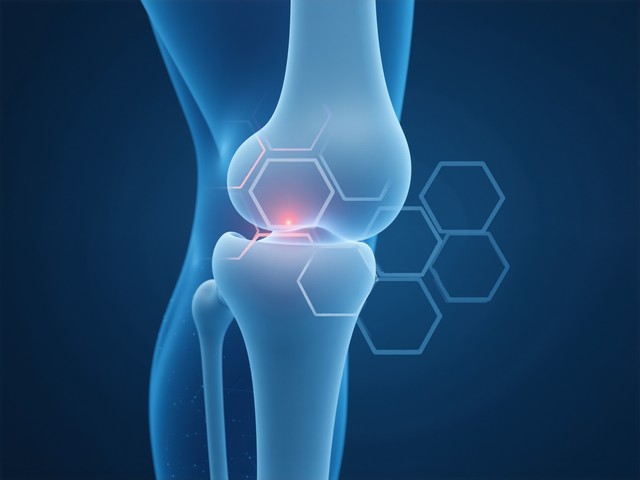
Why Does Estrogen Have Such a Significant Influence?
Estrogen is one of the most important hormones in a woman’s body. It acts like a "chief commander," regulating the functions of over 400 tissues and organs throughout the body.
It is responsible for maintaining the collagen and moisture in the skin, giving women a radiant complexion; it safeguards the calcium in the bones, ensuring strong and healthy bones; it stabilizes the dilation and contraction of blood vessels, maintaining a constant body temperature; and it nourishes the brain and nerves, influencing our mood and sleep.
When ovarian function declines and estrogen levels drop "precipitously," this "chief commander" suddenly takes a "vacation," and all the systems it manages will gradually fall into "chaos."
The "Chinese Guidelines for Menopause Management and Menopausal Hormone Therapy" state: "Estrogen deficiency is the fundamental cause of menopause-related symptoms, and its effects are systemic."

Signals That Require Special Attention
When the body exhibits the following five clear signals, it may indicate severely insufficient estrogen levels:
Hot flashes and night sweats, repeatedly "taking cold showers": Sudden sensations of heat in the face, neck, and chest, followed by profuse sweating, occurring several times a day, especially at night.
Emotional "roller coaster," difficult to control: Becoming anxious, irritable, emotionally low, suspicious, and unable to control outbursts of anger or crying over minor issues.
Dry, Shriveled Skin and "Rusty" Joints: The skin loses elasticity, wrinkles deepen, and unexplained soreness appears in joints and muscles all over the body.
Vaginal Dryness and Pain During Intercourse: The vaginal mucosa atrophies, secretions decrease, leading to pain and a burning sensation during sex, along with recurring vaginitis.
Insomnia, Forgetfulness, and Poor Concentration: Difficulty falling asleep, waking up too early, significant memory decline—like experiencing "brain fog"—and constant forgetfulness.
Which women need to pay extra attention?
Women with a family history of premature ovarian failure.
Women who have experienced long-term dieting for weight loss or excessive exercise leading to excessively low body fat percentage.
Women with extremely poor lifestyle habits, such as chronic sleep deprivation and high levels of stress.
Women with certain autoimmune diseases.

Self-Identification and Action Guide
Self-Assessment Signs:
In addition to the main symptoms, some subtle changes also indicate estrogen deficiency: dry and brittle hair, hair loss, a deepening of the voice, sagging and drooping breasts, and urinary incontinence (leaking urine when sneezing or laughing).
Examination Recommendations:
If you suspect low estrogen levels, you can visit the gynecological endocrinology department or menopause clinic at a hospital.
Doctors assess ovarian function through blood tests for the six sex hormones (focusing on FSH and E2 levels) and make a comprehensive judgment by combining anti-Müllerian hormone (AMH) levels and gynecological ultrasound.
Improvement Recommendations:
Alleviating the issues caused by estrogen deficiency isn't solely reliant on medication. Scientifically implementing the following three measures can be sufficient:
Eat Smartly, "Consume" Hormones: Incorporate more legumes and soy products (such as soy milk, tofu), as the soy isoflavones they contain are a type of phytoestrogen that can have a bidirectional regulatory effect; moderately consume flaxseeds, nuts, and royal jelly.
Maintain regular exercise to stabilize your "foundation": Engage in aerobic exercise (such as brisk walking, jogging, or yoga) at least five times a week, with each session lasting 30 minutes or more, combined with strength training twice a week. Exercise can help alleviate hot flashes, improve mood, and strengthen bones.
Seek professional help for standardized treatment: If symptoms severely affect your quality of life, menopausal hormone therapy (MHT) should be undertaken under a doctor’s guidance. Starting treatment during the "therapeutic window" (typically before age 60 or within 10 years of menopause) offers far greater benefits than risks, effectively alleviating symptoms and preventing long-term diseases.
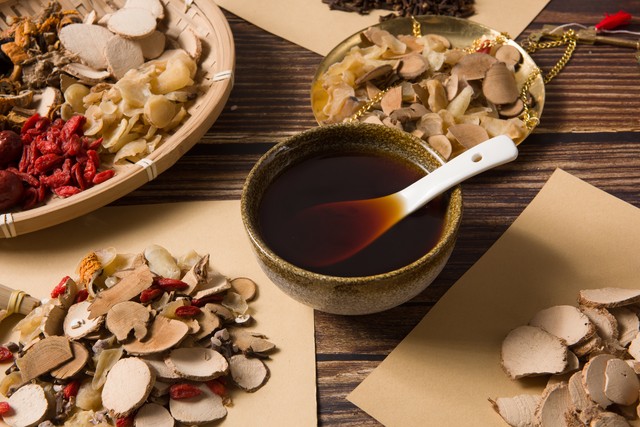
Under her doctor’s guidance, Ms. Li finally regained her sense of peace and comfort through lifestyle adjustments and necessary medical interventions. Her gynecologist often says, "Menopause is not the end of life, but the beginning of a new phase."
Facing the decline of estrogen, we don’t need to endure it passively but should manage it proactively. Understanding its signals and taking action is the best gift every middle-aged woman can give herself.
Remember, every change in the body has its reason, and smart women know how to listen and engage in a gentle conversation with it.