At least 10 times in 3 days! 51-year-old woman diagnosed with late-stage endometrial cancer. Doctor says: Repeatedly warned her, but she wouldn't listen.
At 51 years old, Ms. Wang experienced a sudden return of "menstruation" half a year after menopause. Initially, the flow was light, and she secretly felt pleased, thinking it might be her "second spring." However, over the past three months, the bleeding became highly irregular, occurring up to more than 10 times within a three-day period at its peak, accompanied by a foul odor.
Community doctors repeatedly recommended she undergo a hysteroscopy, but she always refused, citing reasons such as "fear of pain," "my children are too busy," or "let's wait and see a bit longer." It wasn't until she developed severe anemia, dizziness, and blurred vision that her family forcibly took her to the hospital.
The pathological results were heartbreaking—advanced endometrial cancer, having missed the optimal window for surgery. The attending physician lamented with deep regret, "Abnormal uterine bleeding is the 'last cry for help' from the endometrium. We have repeatedly emphasized the importance of taking it seriously, yet you just wouldn't listen!"
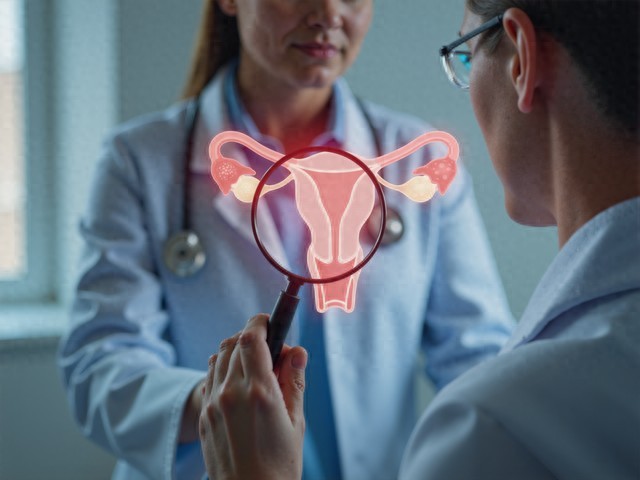
Endometrial carcinoma is a group of epithelial malignant tumors originating from the endometrium and is one of the three major malignancies of the female reproductive system. The most common type is the estrogen-dependent type (Type I).
High-risk groups: Individuals with obesity, hypertension, or diabetes; those with delayed menopause (>55 years old); individuals with a family history of endometrial cancer; and those undergoing long-term estrogen replacement therapy alone.
If not intervened early, cancer cells can infiltrate deep into the uterine muscle layer, penetrate the uterus, and lead to pelvic spread and distant metastasis, significantly increasing treatment difficulty and mortality rates.

Why Abnormal Bleeding is Linked to Endometrial Cancer
The endometrium is a layer of tissue lining the inner wall of the uterus, regulated precisely by estrogen and progesterone. It grows and sheds cyclically, forming menstruation.
After menopause, ovarian function declines, and estrogen levels should drop to very low levels, causing the endometrium to stop proliferating and become thin. Vaginal bleeding at this stage is not a sign of "rejuvenation" but a dangerous warning signal.
The endometrium, in the absence of progesterone antagonism, is excessively stimulated by residual or other sources of estrogen in the body, leading to abnormal hyperplasia and even cancerous transformation, making the tissue fragile and prone to bleeding.
Tumor rupture or necrosis itself can cause bleeding. Guidelines from the *Chinese Journal of Obstetrics and Gynecology* emphasize: "Postmenopausal bleeding is the most common initial symptom of endometrial cancer, and any postmenopausal bleeding should be considered abnormal until a definitive diagnosis is made."

Abnormal Bleeding Symptoms That Require Special Attention
Postmenopausal bleeding: Any form or amount of vaginal bleeding or bloody discharge occurring more than one year after menopause.
Menstrual irregularities: Perimenopausal women experiencing irregular menstrual cycles, prolonged periods, increased menstrual flow, or persistent spotting.
Contact bleeding: Bleeding after sexual intercourse or gynecological examination.
Bloody discharge with foul odor: Thin bloody fluid discharged from the vagina or secretions accompanied by a fishy, foul odor, which may indicate secondary infection or necrosis of the tumor.
Who are the high-risk groups
Women with polycystic ovary syndrome and infertility.
Patients who have been taking tamoxifen (a breast cancer treatment drug) long-term.
Women with a family history of colon cancer, endometrial cancer, or ovarian cancer (Lynch syndrome).
Women who had early menarche, late menopause, and have never given birth.

Self-Identification and Action Guide
In addition to bleeding, if accompanied by "unexplained dull pain or a feeling of pressure in the lower abdomen," "rapid increase in waist circumference within a short period (possible ascites)," or "systemic wasting symptoms such as fatigue and weight loss," medical attention must be sought immediately. Do not continue to "observe."
Once abnormal bleeding occurs, promptly visit the gynecology or gynecologic oncology department. Transvaginal ultrasound is the preferred non-invasive screening method for measuring endometrial thickness.
Hysteroscopy with biopsy is the "gold standard" for diagnosis, allowing direct visualization of the uterine cavity and acquisition of pathological tissue.

Prevention Recommendations:
Manage weight, control the "three highs": Obesity is a "factory" of endogenous estrogen. Controlling weight and managing blood pressure and blood sugar are fundamental preventive measures.
Prioritize progesterone balance: Under medical guidance, avoid long-term use of estrogen alone and combine it with progesterone to protect the endometrium when necessary.
Regular screening for high-risk groups: Women with high-risk factors should undergo regular gynecological ultrasound examinations, even if they are asymptomatic.
Never ignore any abnormal bleeding: This is the most critical rule. Regardless of the amount or color of the bleeding, the cause must always be investigated.

Ms. Wang's case is a stark lesson. She used "wishful thinking" to dismiss her doctor's earnest advice, thereby also blocking her own path to early cure.
Gynecological oncology experts solemnly advise all women: "The uterus after menopause should be a tranquil 'land'. Any single drop of 'rain' that should not appear could be a signal of a lurking 'cancer demon' preparing to break through the soil."
Remember, the body never raises an alarm without reason. Every instance of ignoring the abnormal bleeding signals from the uterus could be laying the groundwork for a tumor's development.