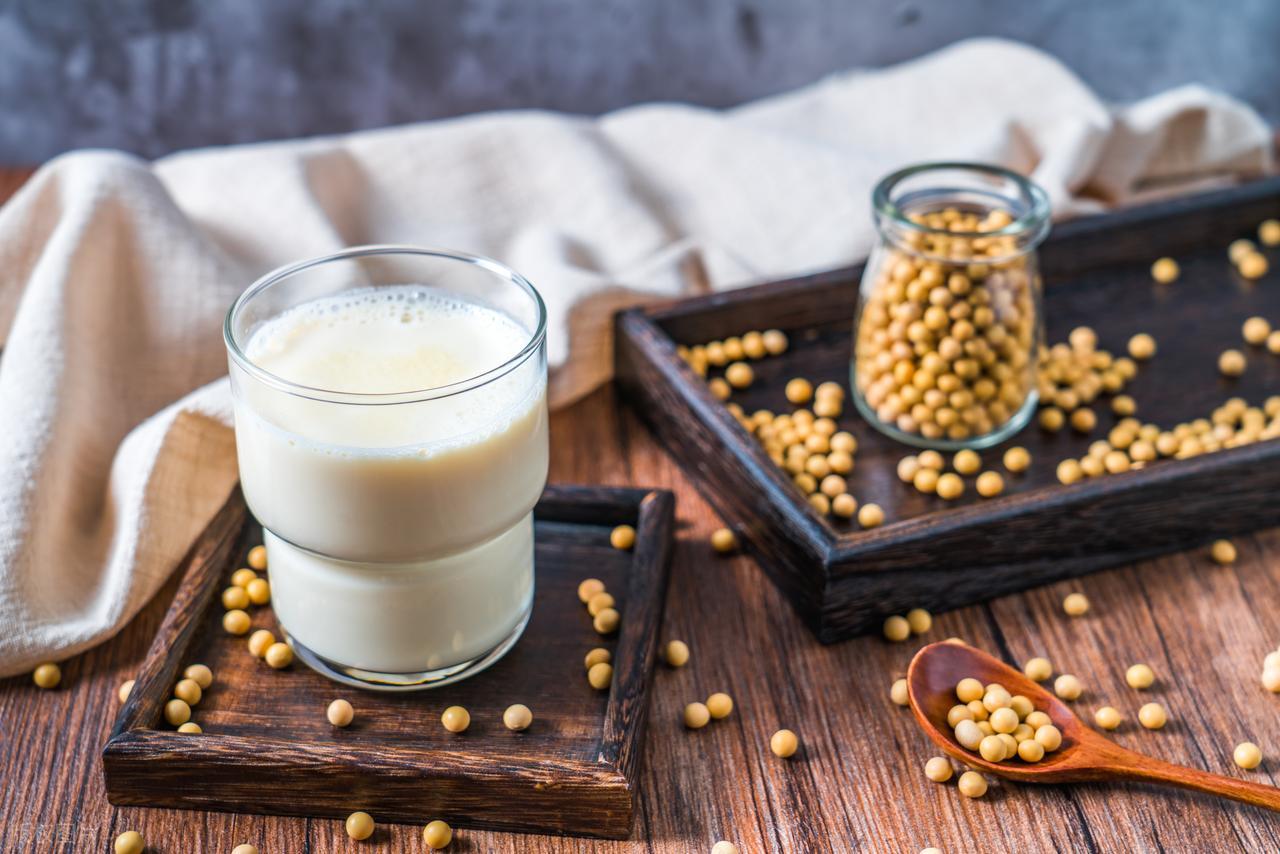
Menopausal Women and Legumes: Three Types to Avoid, One to Enjoy More for Delicious Benefits
Menopause is a significant turning point in a woman's life. As ovarian function declines, issues such as hot flashes, night sweats, insomnia, osteoporosis, and an increased risk of cardiovascular diseases emerge one after another.
During this special period, dietary adjustments become crucial. Beans, as a source of high-quality plant protein and various nutrients, are often recommended for menopausal women.
However, did you know? The family of soy products has many members, and choosing the right ones can be a "treasure," while choosing the wrong ones may have the opposite effect.
Based on research in nutrition and modern medicine, menopausal women indeed need some wisdom when selecting beans.
There are three types of beans or bean products that are recommended to be treated with caution or "absolutely avoided," while one type of bean should be considered a "regular guest" on the dining table, allowing you to enjoy delicious food while navigating menopause comfortably.
These three types of beans are recommended to be "put on the blacklist."
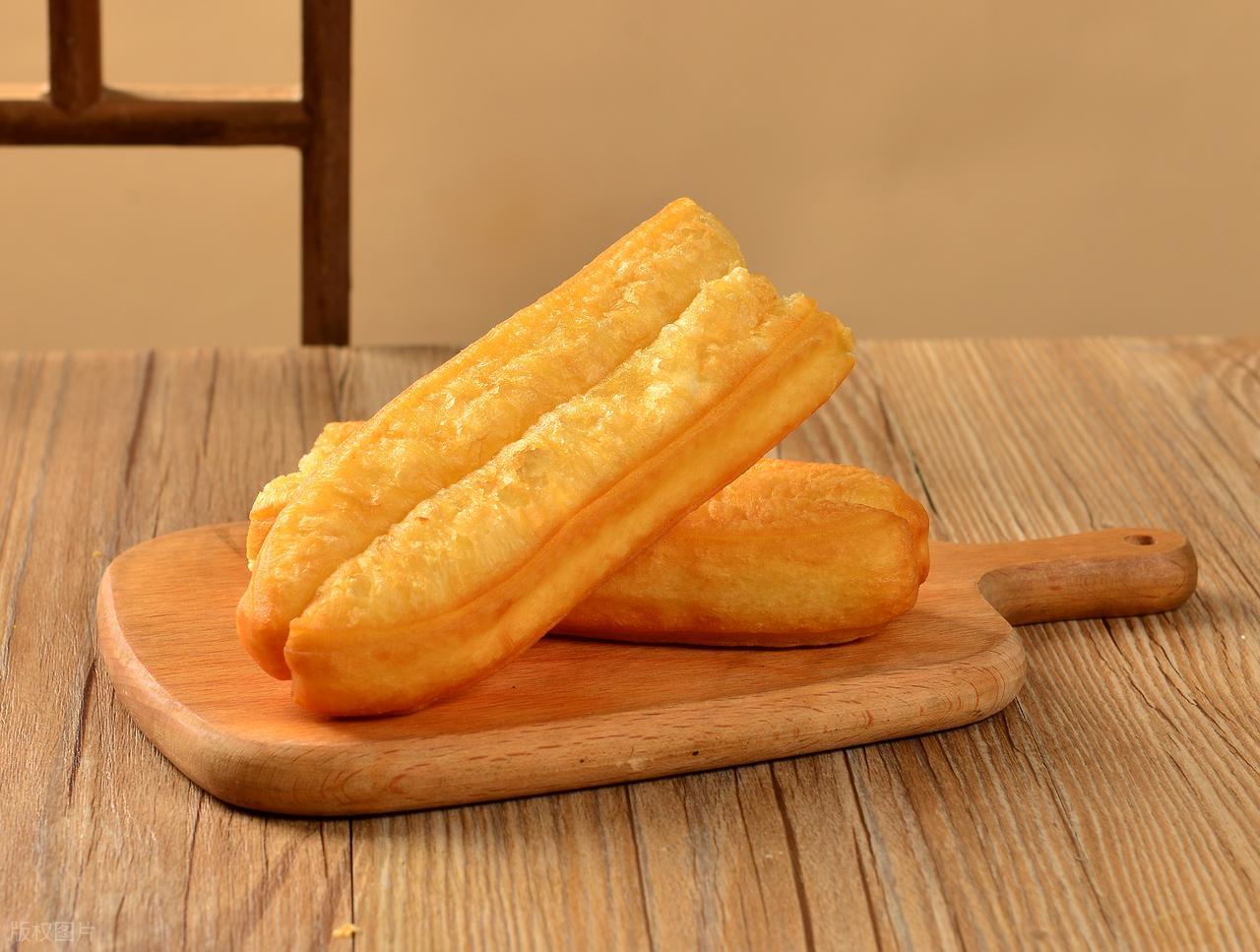
First: Fried Bean Products—Youtiao and Fried Tofu Puffs
Bean products themselves are healthy, but after being deep-fried at high temperatures, their nutritional structure undergoes drastic changes.
These foods are extremely high in fat and calories, earning them the title "calorie bombs." Due to the decline in estrogen levels, menopausal women are more prone to fat accumulation in the abdomen, leading to central obesity, which increases the risk of fatty liver disease, hyperlipidemia, and cardiovascular diseases.
Additionally, high-temperature frying may produce carcinogens, posing long-term health threats.
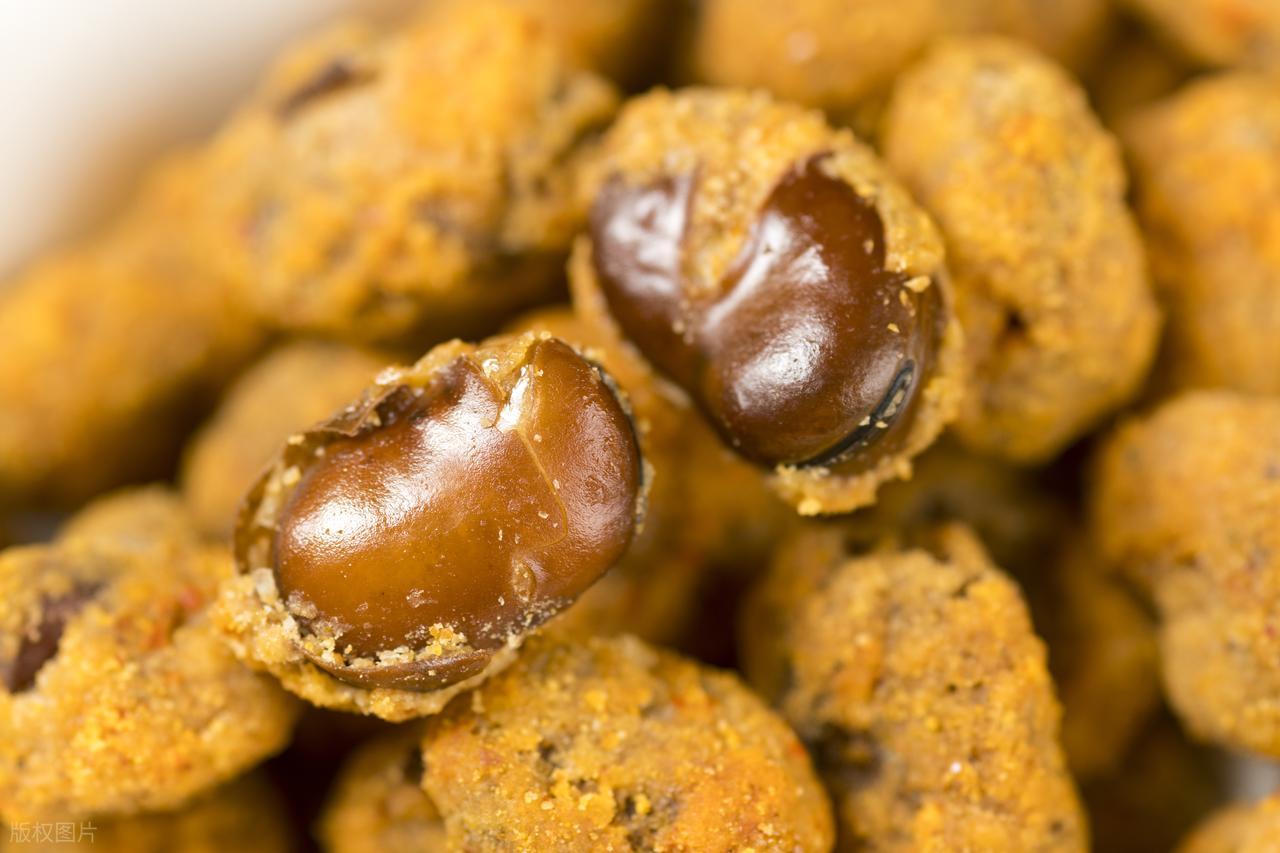
Second type: High-salt, heavily processed legume snacks – strange-flavored beans, salt-baked green beans
To enhance flavor, these snacks are heavily loaded with salt, sugar, and flavorings during processing.
High sodium intake is a well-established risk factor for hypertension and calcium loss. Menopausal women are already at high risk for osteoporosis, and with every additional excretion of sodium, the body also loses a portion of precious calcium.
Consuming such snacks frequently is akin to unknowingly "hollowing out" your own bones.
Third type: Uncooked legumes, such as raw soy milk
Legumes such as green beans and soybeans contain natural toxins such as trypsin inhibitors and saponins. If not thoroughly cooked, they may cause food poisoning, leading to symptoms like nausea, vomiting, and diarrhea.
Especially for menopausal women with inherently weaker gastrointestinal function, an episode of acute gastroenteritis can have a significant impact on the body.
This type of bean should definitely be "added to your whitelist."
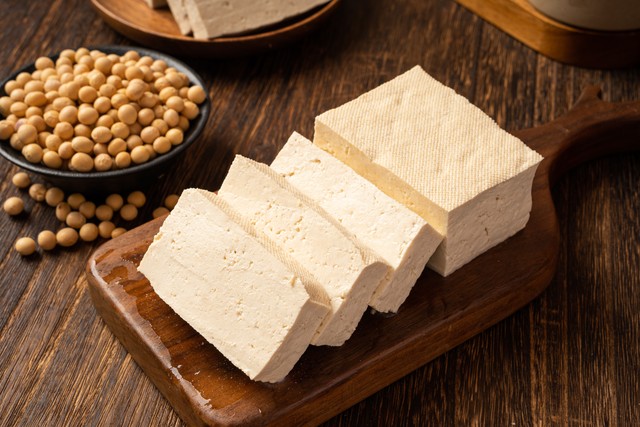
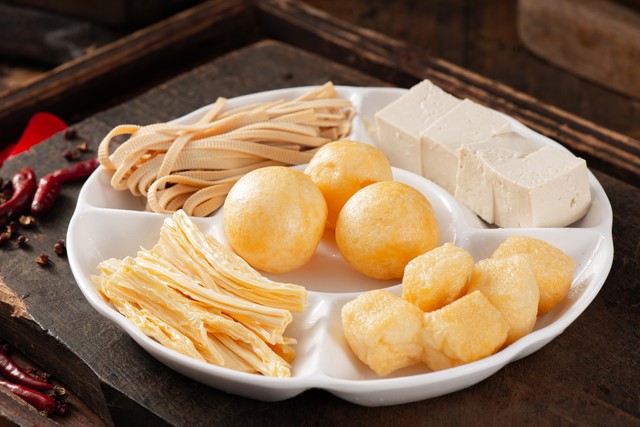
Soybeans and their common products—soy milk, tofu, dried tofu, and natural edamame
Soybeans are truly the "golden food" for menopausal women. Their core value lies in being rich in a natural plant compound called "soy isoflavones."
Due to their chemical structure resembling human estrogen, soy isoflavones are also known as "phytoestrogens."
They play a remarkable "bidirectional regulatory" role in the human body: when estrogen levels are too high, they can competitively occupy estrogen receptors, exhibiting anti-estrogenic effects, potentially reducing the risk of breast cancer associated with high estrogen levels;
And when estrogen levels plummet during menopause, it can exert a weak estrogen-like effect.

Multiple studies have confirmed that for menopausal women, moderate intake of soy isoflavones can effectively alleviate vasomotor symptoms such as hot flashes and night sweats, and help prevent osteoporosis.
The *Chinese Dietary Guidelines (2022)* also recommend regular consumption of soy products. Furthermore, soy is an excellent source of high-quality protein, calcium, and dietary fiber.
Dietary Guidelines for Soy Products in Menopausal Women
Moderate Regular Consumption: It is recommended to consume soybean products equivalent to 30-50 grams of dry soybeans per day, approximately equal to one cup of thick soy milk (300ml) + one liang (50 grams) of tofu.
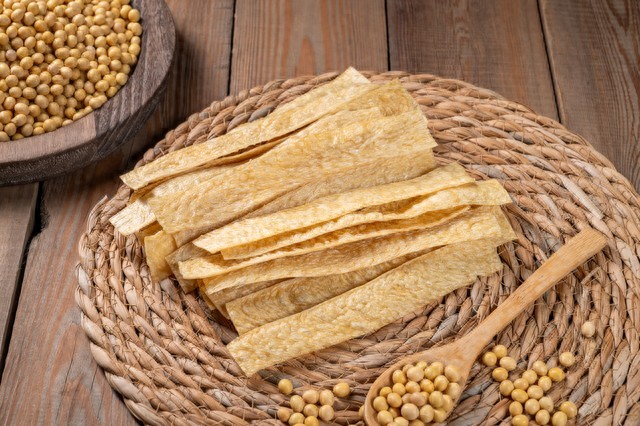
Priority Selection: Soy milk, tofu, dried tofu, bean curd sticks, natural edamame, and other forms with low processing and minimal additives are recommended.
Fermented Soybean Products: Natto, fermented black beans, and similar fermented soybean products have higher nutritional value and contain components beneficial for heart health, and can be consumed in moderation.
Balanced Combination: Although soybean products are beneficial, they should still be combined with vegetables, whole grains, meat, and other foods to ensure comprehensive nutrition.
Conclusion
Menopausal dietary management emphasizes "selection" and "balance." Actively avoiding the "health traps" disguised as bean products and embracing the natural nutrition bestowed by nature are the most gentle forms of self-care for one's health.
A bowl of warm, smooth soy milk or a piece of tender, silky tofu not only satisfies the taste buds but also replenishes your body with the strength to weather storms, allowing the years post-menopause to continue with ease and grace.