Optimal Menopause Age for Women Announced, Gynecologists Advise: The Closer to This Age, the Better
"Doctor, I'm 48 this year and my periods have started becoming irregular. Is menopause happening too early? Will I age faster?"
"I'm 53 and my periods are still quite regular. Could it be too late? Is there a risk?" In the gynecology clinic, worries and questions about the age of menopause never cease.
Menopause, as a major physiological turning point for women, indeed has a time of onset that is closely linked to long-term health risks.
So, at what age is it 'best' to experience menopause? Extensive epidemiological studies, both domestic and international, have provided a relatively clear answer.
Gynecologists remind: The average menopausal age for Chinese women is approximately 49.3 years, and it is generally considered normal for menopause to occur between the ages of 45 and 55. Being closer to the "golden midpoint" of 50 indicates that your ovarian function may have been maintained for a more ideal duration.
Too Early or Too Late May Both Conceal Risks
Menopause occurring before the age of 40 is medically referred to as "Premature Ovarian Insufficiency" (POI), previously known as "premature ovarian failure." This means the ovaries cease functioning prematurely, leaving the body in a state of severe long-term estrogen deficiency.
The consequences extend far beyond accelerated aging and include a significant increase in the risk of various diseases. This encompasses an elevated risk of osteoporosis, cardiovascular diseases, Alzheimer's disease, along with serious impacts on mental health and sexual quality of life.
Conversely, if menstruation continues as usual after the age of 55, it is classified as "late menopause." While this may sound like a blessing of "eternal youth," it may also conceal underlying health risks.
Prolonged exposure to endogenous estrogen in the body may increase the risk of endometrial cancer and breast cancer. Therefore, women in this age group especially need to adhere to regular gynecological and breast examinations.
Who Determines Your Age at Menopause?
The age of menopause, like a person's height and appearance, is largely determined by innate factors. Genetic factors are the strongest conductor influencing the age of menopause. If your mother or sister experienced menopause later in life, it is also highly likely that you will experience it relatively later as well.
However, lifestyle factors later in life are equally important "regulatory switches." The following types of factors can accelerate the decline of ovarian function, leading to early menopause:
Long-term unhealthy lifestyle habits: Smoking is a well-established, independent risk factor that significantly contributes to early menopause. In addition, long-term staying up late, excessive dieting for weight loss, and unbalanced nutrition can also deplete ovarian reserve.
Certain Diseases and Treatments: Autoimmune diseases, recurrent pelvic infections, as well as chemotherapy, radiotherapy, or pelvic surgery received due to tumors, can all potentially damage ovarian function.
Psychosocial Factors: Being under prolonged significant mental stress, anxiety, and depression can disrupt endocrine function by affecting the hypothalamic-pituitary-ovarian axis, which may thereby lead to earlier menopause.

Smoothly navigating through the transition is more important than fixating on age
Instead of worrying about that unpredictable number, it's better to focus on how to go through the perimenopausal period healthily. Whether menopause comes early or late, proactive management can yield health benefits.
Balanced nutrition: Ensure adequate intake of calcium and vitamin D to strengthen bones; moderately increase consumption of soy products to supplement phytoestrogens.
Regular exercise: Combine weight-bearing exercises and aerobic activities, such as brisk walking, dancing, and lifting dumbbells, which can protect the heart and bones while improving mood.
Weight management: Avoiding obesity, especially abdominal obesity, can effectively reduce the risk of cardiovascular and metabolic diseases.
Regular check-ups: Adhere to annual comprehensive health examinations, with a focus on blood pressure, blood lipids, blood glucose, bone density, as well as gynecological and breast health.
Approach hormone therapy rationally: For women experiencing severe symptoms that significantly impact their quality of life, menopausal hormone therapy (MHT) may be considered under a comprehensive evaluation by a physician. It is the most effective method for alleviating symptoms and preventing osteoporosis.
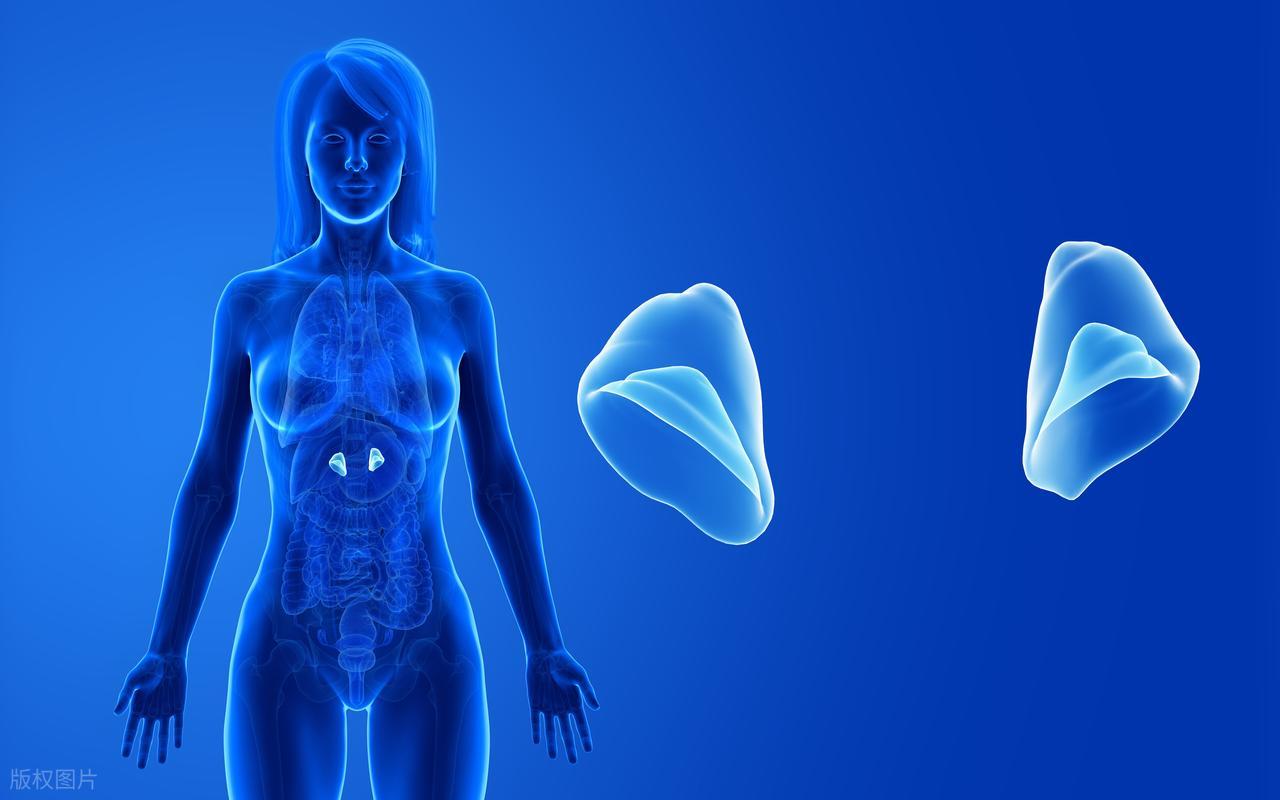
Menopause is a natural stage of life, not a symbol of disease.
While we cannot fully control the precise timing of menopause, we can absolutely influence our health status and quality of life after menopause through a healthy lifestyle.
The best age for menopause is the one that arrives naturally, when you are prepared to welcome it with a positive and scientific attitude.