55-Year-Old Woman in Menopause Ate Taro Daily, Praised by Doctor During Follow-Up: 7 Things Done Right
Ms. Liu, aged 55, has finally smoothly navigated through menopause after experiencing more than a year of hot flashes, insomnia, and mood swings.
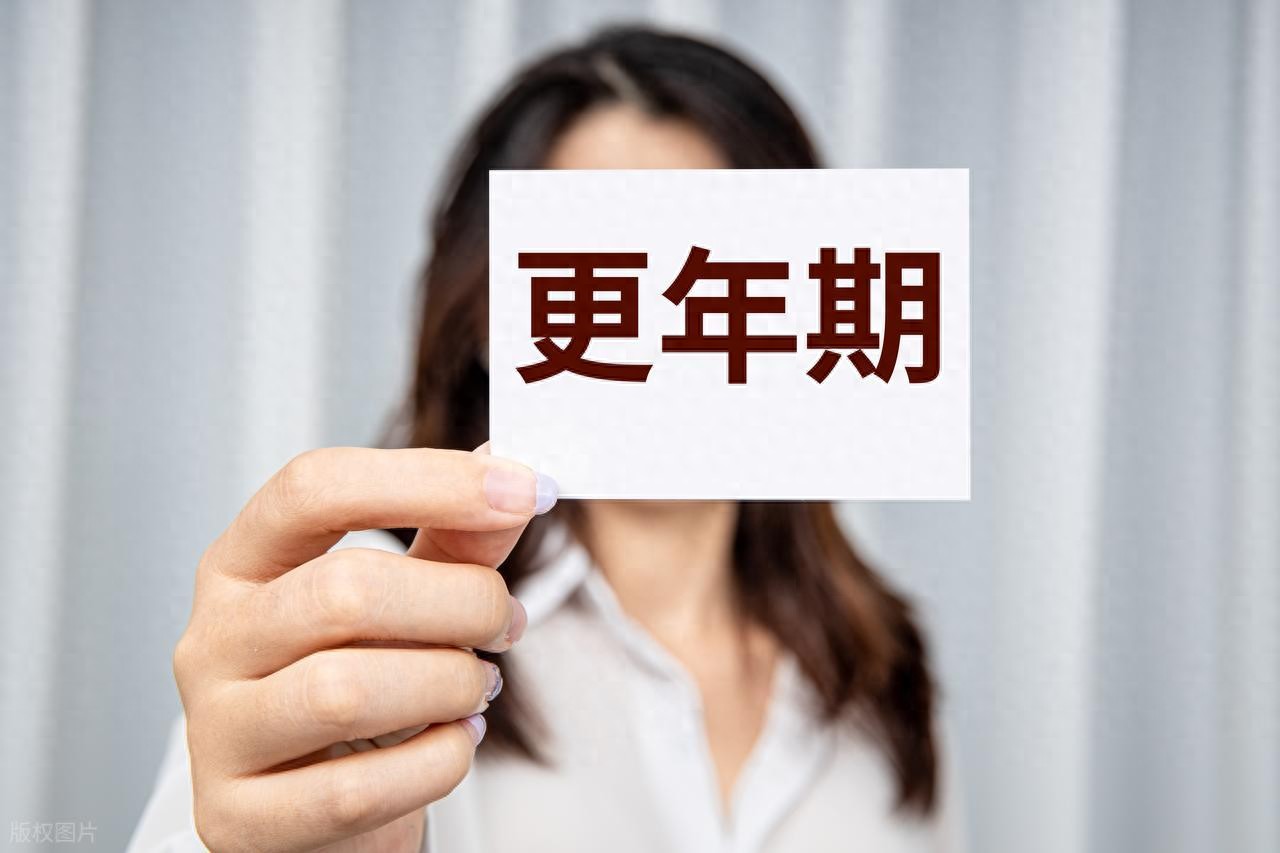
During her recent follow-up check, her bone density test results even drew praise from her doctor. Not only were her hormone levels stable, but she also showed no signs of common menopausal issues like obesity or blood sugar problems.
After gaining a detailed understanding of her lifestyle habits, the doctor discovered that Ms. Liu had maintained a dietary habit for many years—eating one taro almost every day—and this was just one of the seven key things she was doing right.
Ms. Liu's experience is not an isolated case. Menopause is a significant milestone in a woman's life, but with scientific lifestyle management, it can be gracefully and healthily navigated. Her approach serves as an excellent model for us.
First Thing: Skillfully Utilizing "Underground Treasures" to Stabilize Blood Sugar and Weight
The taro chosen by Ms. Liu can be considered a "smart staple" for menopause. Compared to refined grains like white rice and flour, taro is rich in resistant starch and dietary fiber. It is digested and absorbed slowly in the gastrointestinal tract, providing a strong sense of satiety and effectively preventing blood sugar from spiking and crashing like a rollercoaster.
This is crucial for menopausal women in preventing insulin resistance and controlling weight. At the same time, taro is relatively low in calories. By partially replacing staple foods with it, Ms. Liu unknowingly reduced her energy intake, successfully avoiding the common issue of "menopausal weight gain."

Second Thing: Treating Calcium Supplementation as a "Top Priority" to Insure Bone Health
The decline in estrogen accelerates calcium loss, making osteoporosis a silent threat after menopause. Ms. Liu is well aware of this. She not only ensures a glass of milk every day but also includes soy products and leafy green vegetables in her diet.
Her approach is "calcium and vitamin D supplementation together." While supplementing calcium, she insists on daily outdoor activities to get sun exposure, promoting vitamin D synthesis in her body—this is the "key" to efficient utilization of calcium by bones.
Third Thing: Actively Embracing "Phytoestrogens" to Stabilize Internal Fluctuations
Soy products are a regular feature on Ms. Liu's dining table. Soy milk and tofu are almost never missing from her daily meals.
Soybeans are rich in soy isoflavones, a natural plant-based estrogen that can provide a weak supplement when the body's estrogen levels are insufficient.
This gentle "bidirectional regulation" mechanism helps alleviate symptoms such as hot flashes and sweating caused by drastic hormonal fluctuations, enabling a smoother transition in the body's internal environment.
The fourth thing: Reject "rest and recuperation," let muscles become the guardians of your bones
Ms. Liu did not choose to "rest quietly," but instead insisted on performing strength training 2-3 times per week, such as lifting small dumbbells, squats, etc. Muscle contraction and weight-bearing exercise can effectively stimulate bones and increase bone density.
Strong muscles are not only a symbol of strength but also the core power for protecting bones, boosting metabolic rates, and combating aging.
The Fifth Habit: Turning Sleep into the "Golden Period of Repair"
When facing insomnia, Ms. Liu did not rely on medication. Instead, she established a strict sleep ritual: turning off electronic devices at 10 p.m., soaking her feet in warm water, and listening to soothing music. She understood well that deep sleep is the critical period for the body to secrete growth hormones and repair cells.
Ensuring high-quality sleep naturally led to significant improvements in daytime energy and emotional state during menopause.
The Sixth Habit: Managing Emotions, Not Being a "Slave" to Hormones
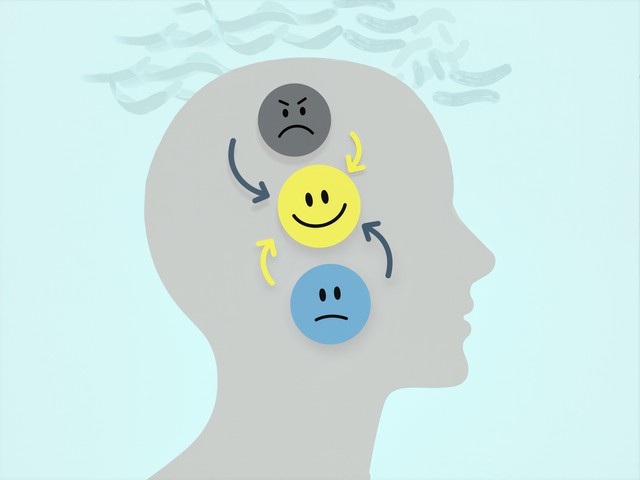
During menopause, with its significant emotional fluctuations, Ms. Liu found her own outlet for expression—she joined a community calligraphy class. Whenever she felt irritable or restless, practicing calligraphy helped her quickly calm down.
This proactive emotional management broke the vicious cycle of "poor mood → more disrupted hormones → worsening mood," creating a stable internal environment for her nervous system.
The seventh practice: regular health check-ups, having an "honest conversation" with her body.
Ms. Liu undergoes a comprehensive gynecological and endocrine examination every year. She never ignores any signals her body sends; instead, she chooses to proactively understand and actively address them.
This approach of "knowing both herself and the situation" allows her to adjust her lifestyle in a timely manner, resolving issues at their early stages and firmly taking control of her health.
Ms. Liu’s story vividly illustrates that menopause is not synonymous with illness but rather a new starting point for health management. The seven things she did right together form a powerful "combination strategy" that works synergistically, helping her effectively combat the challenges of aging.
Her experience is replicable, with the core lying in awareness and persistence. Starting today, manage your menopausal health as diligently as you would manage a career, and you too can enjoy a vigorous and strong-boned later life.