Gynecologist: 5 Foods Not to Eat, 4 Things Not to Wash, 3 Things Not to Do for Women in Menopause - As the Weather Gets Colder, Don't Be Careless
As the weather cools down, for women going through menopause, it’s not just about adding clothes to keep warm—it’s a delicate test of health management.
As temperatures drop, the body's metabolism, vascular function, and immunity undergo corresponding changes. Menopausal women, due to declining estrogen levels..
The body is already in a relatively fragile adjustment period, and if one is careless with daily life details, it can easily trigger or worsen various discomforts.
Based on clinical experience, gynecologists have compiled principles of "5 Avoid Eating, 4 Avoid Washing, 3 Avoid Doing" for menopausal women to follow during cold seasons, helping everyone navigate this challenging period with ease.

【Five Foods Not to Eat】 Controlling Your Diet Means Reducing the Burden on Your Body
One: Avoid Raw, Cold, and Icy Foods
Sashimi, iced drinks, cold salads, and other raw or chilled foods can directly irritate the already potentially weakened spleen and stomach.
During menopause, women's digestive functions are easily affected. Excessive consumption of raw and cold foods may not only lead to diarrhea and abdominal pain but also deplete yang energy, exacerbating poor circulation of qi and blood in the body, making symptoms like chills and cold limbs more pronounced.
Two: Avoid High-Salt and Pickled Foods
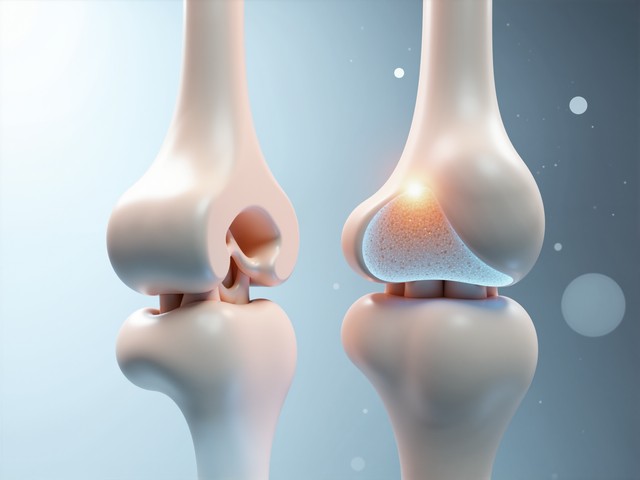
Salted vegetables, cured meats, processed meat products, etc. are extremely high in salt content. High sodium not only raises blood pressure but also accelerates the loss of calcium in the body.
For menopausal women who already face an increased risk of osteoporosis, this is undoubtedly adding insult to injury. Maintaining a light diet is like making a deposit for bone health.
Three: Avoid consuming spicy and heat-inducing foods
Chili peppers, Sichuan peppercorns, barbecue, and fried foods are classified as pungent, warm, and dry-heating substances, which can easily deplete Yin fluids and aggravate deficient fire.
Many perimenopausal women belong to the "yin deficiency with effulgent fire" constitution, which manifests as hot flashes, night sweats, dry mouth, and insomnia. Consuming large quantities of such foods would be like "adding fuel to the fire," making symptoms such as hot flashes and night sweats even more intense.
Four: Do not drink strong tea or coffee
Caffeine in coffee and strong tea has a diuretic effect that increases calcium excretion. Meanwhile, its stimulating action on the central nervous system may interfere with sleep and exacerbate the common menopausal issue of insomnia. It is advisable to avoid consuming these beverages especially after noon to ensure quality nighttime rest.
Five: Avoid high-sugar and overly sweet foods
Cakes, milk tea, desserts, and other sugar bombs are the main culprits of weight gain. Menopausal women experience a slowed metabolism and are highly prone to obesity. Central obesity further increases the risk of diabetes, hyperlipidemia, and cardiovascular diseases. Glycation reactions also accelerate skin aging.
Four Don'ts in Bathing: Avoid Wind Chill, Preserve Yang Energy
1. Do Not Take Cold Showers
Taking a cold shower delivers a strong cold stimulus, causing blood vessels to constrict sharply and blood pressure to rise suddenly, which puts a strain on the cardiovascular system. Women in perimenopause should insist on bathing with warm water, and the duration should not be too long—comfort is key.
2. Do Not Shower on an Empty Stomach
Showering consumes a significant amount of energy, and doing so on an empty stomach can easily lead to hypoglycemia, causing dizziness, weakness, or even fainting. It is recommended to rest for an hour after a meal before showering, but be sure not to shower immediately after a full meal.
III. Avoid Washing Hair Before Bed
During autumn and winter, hair takes longer to dry. Sleeping with damp hair causes moisture to evaporate and draw significant heat away from the head, making it easy for cold to invade the body. This can lead to headaches, colds, and is also detrimental to hair health.
IV. Avoid Excessive Washing of the Private Area
As the weather cools, the incidence of vaginitis may increase, but the key to maintaining health lies in "balance." Frequent use of wash solutions for vaginal douching can disrupt the normal flora and acidic barrier, making infections more likely. For daily care, washing the external genital area with clean water is sufficient to keep it dry and well-ventilated.
【Three Don'ts】Slow Down Your Pace, Nourish Your Body and Mind
1. Avoid Staying Up Late
Staying up late is a major enemy of health, especially for menopausal women. It can exacerbate endocrine disorders, intensify neurasthenia, and create a vicious cycle of hot flashes, insomnia, and emotional issues. Falling asleep before 11 PM is the best nourishment for your body.
2. Avoid Strenuous Exercise
In cold weather, blood vessels become less elastic, and sudden intense exercise may increase the risk of cardiovascular events. It is recommended to engage in gentle, sustained exercises such as brisk walking, jogging, Tai Chi, or yoga, focusing on relaxing muscles and promoting circulation rather than pursuing intensity.
III. Avoid Emotional Agitation
Gloomy weather can easily affect emotions. Women in menopause should actively manage their mood, avoiding extreme joy or sorrow, arguments, or outbursts of anger.
Intense emotional fluctuations can stimulate the autonomic nervous system, triggering palpitations, blood pressure fluctuations, and hot flashes. Stress can be alleviated through activities like listening to music, taking walks, or confiding in friends to maintain a calm state of mind.

Menopause is a natural stage of life, especially during weather changes, requiring us to care for our bodies with the same delicacy and tenderness as we would a precious piece of porcelain.
These guidelines of "5 don't eat, 4 don't wash, 3 don't do" may seem restrictive, but in reality, they are the path to comfort and health.
By following nature's rhythm and listening to your body, you can navigate this special time and embrace the tranquility and peace of autumn and winter.