Gynecologist: If a woman contracts HPV, abnormalities will appear in these 3 areas. If detected, get checked quickly!
At a company-organized health check-up, 30-year-old Ms. Wang received a shocking test report: HPV type 16 positive.
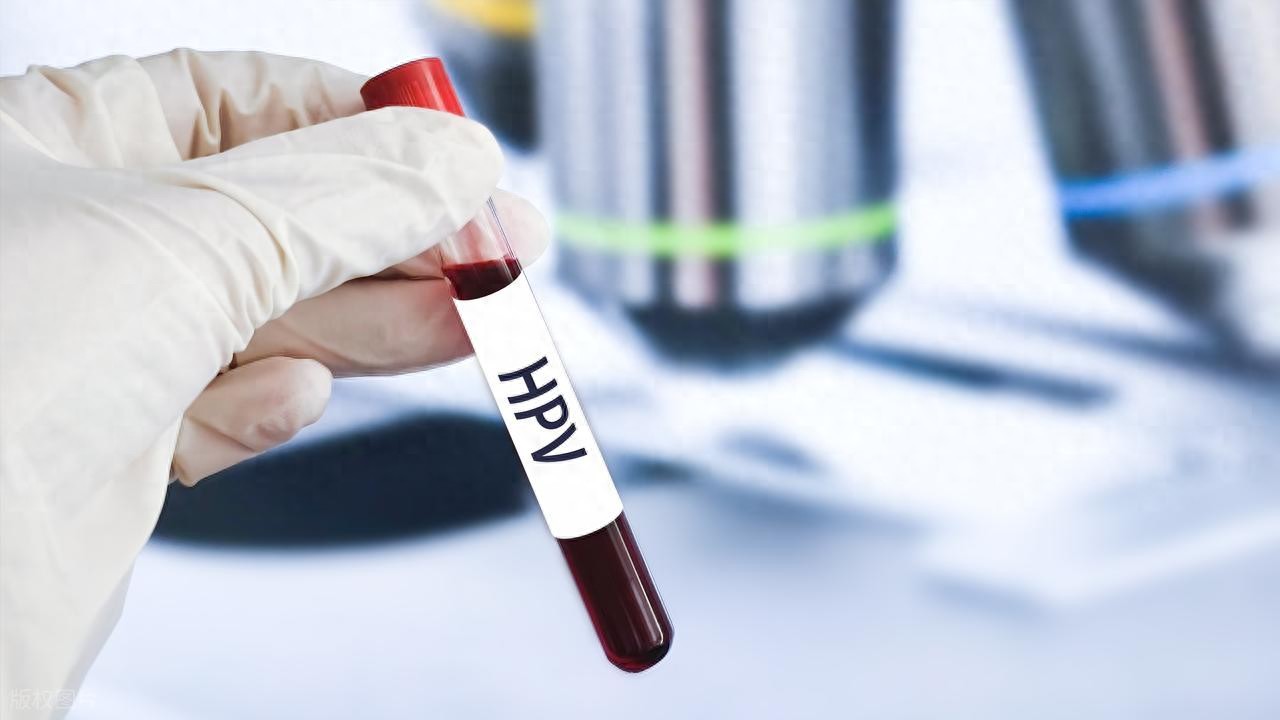
Recalling the subtle signals her body had been sending over the past six months, she felt deep regret. Her body had been sending warnings all along, but she had simply failed to pay attention.
HPV infection is quite common among women. According to statistics, about 80% of women will be infected with HPV at least once in their lifetime.
Although most infections are cleared by the body's immune system, persistent high-risk HPV infection may progress to cervical cancer. Learning to recognize the signs associated with HPV infection is crucial for seizing valuable opportunities for intervention.

Abnormal Discharge: The Body's Early Warning Alarm
Normal vaginal discharge should be transparent or milky white, without a noticeable odor. When HPV infection occurs, especially if it has already caused cervical cell abnormalities, the vaginal discharge often serves as a warning sign.
This abnormality may manifest as a significant increase in the amount of vaginal discharge, changes in color—such as turning yellow or yellowish-green—and the consistency may become thin and watery or thick and pus-like.
Sometimes there may be an unusual odor, which differs from that of ordinary inflammation and is often more discomforting.
It is important to note that these changes may fluctuate in severity, easily leading one to mistake them for common gynecological inflammation and let down their guard. If abnormal discharge persists and conventional treatments are ineffective, it is crucial to undergo HPV and TCT testing promptly.

Abnormal Bleeding: A Danger Signal That Cannot Be Ignored
Abnormal bleeding outside the menstrual period is a significant sign of HPV-related lesions and warrants heightened vigilance. This bleeding can manifest in various forms:
Bleeding after sexual intercourse, medically referred to as "contact bleeding," is one of the classic indicators of cervical lesions;
Minor vaginal bleeding outside the menstrual cycle, possibly appearing pink or dark brown in color; postmenopausal vaginal bleeding is an even more dangerous signal requiring immediate medical attention.
These bleeding phenomena may be very slight, sometimes even just blood streaks mixed in the vaginal discharge, but they should never be ignored due to the small amount. It often suggests that cervical tissue may have already undergone pathological changes, making the tissue texture brittle and blood vessels abnormal, where even slight friction can trigger bleeding.

Abnormal hyperplasia: Macroscopically visible lesions
When HPV infection persists, it may cause abnormal proliferation of the skin or mucous membranes. These proliferations vary in manifestation depending on the type of HPV involved.
Low-risk HPV infection typically causes genital warts, which present as single or multiple light red small papules on the vulva, perianal area, and other regions. These may gradually increase in size and number, forming cauliflower-like or papillomatous growths. These warts are usually painless and non-itchy but are contagious.
Whereas high-risk HPV infection may cause intraepithelial neoplasia in areas such as the cervix and vagina, which are typically difficult to observe directly with the naked eye and require gynecological examination with special staining for detection.
Sometimes during examinations, doctors may describe the cervical surface as "rough," showing "erosive changes," or displaying abnormal blood vessels—all of which could be signs of pathological changes.

[Correct Response Strategies After Detecting Abnormalities]
Once any of the above abnormalities are noticed, the most important step is to take immediate action rather than wait and observe. It is advisable to seek a professional examination as soon as possible at a reputable hospital's gynecology department.
Typically, doctors recommend HPV testing and cervical liquid-based cytology (TCT), which are currently the gold standard combination for cervical cancer screening.
If the test results are abnormal, the doctor may recommend further colposcopy.

Colposcopy acts like a "magnifying glass," allowing doctors to observe subtle changes on the cervical surface more clearly and take small tissue samples from suspicious areas for pathological examination, which is the diagnostic "gold standard."
It’s important to stay calm and face the situation positively. Detecting HPV infection or early-stage lesions does not necessarily mean cervical cancer will develop. On the contrary, it provides an opportunity for early intervention.
From HPV infection to cervical cancer usually takes 5-15 years, which provides a sufficient window of opportunity for effective intervention.

【The Scientific Approach of Prevention Over Treatment】
In addition to regular screenings, preventing HPV infection is equally important. HPV vaccination is an effective means of prevention, with bivalent, quadrivalent, and nonavalent vaccines currently available. Women can choose the appropriate vaccine based on their age and financial situation.
At the same time, maintaining good lifestyle habits and strengthening immunity can help clear the virus. This includes a balanced diet, regular exercise, adequate sleep, and stress reduction. Avoiding multiple sexual partners and using condoms correctly can also reduce the risk of infection.
It is recommended that all women aged 25 and above, regardless of whether they have received the HPV vaccine, undergo regular cervical cancer screenings. Combining HPV and TCT screenings maximizes detection rates, providing a "double insurance" for health.