Chinese Academy of Sciences: Gynecological Diseases Require No Treatment? The Truth May Surprise You — Recommended to Know!
Recently, a message claiming "Chinese Academy of Sciences Confirms Gynecological Diseases Do Not Require Treatment" has been spreading wildly online, causing confusion among many female patients and even leading some to consider stopping ongoing treatments.
Is this seemingly mind‑blowing statement a genuine scientific breakthrough or a misinterpretation? Today, we will uncover the truth and help you understand the scientific principles behind the treatment of gynecological diseases.
Whether gynecological diseases require treatment depends critically on the nature and severity of the specific condition.
The medical field has clear standards and norms for the diagnosis and treatment of gynecological diseases, and any "one-size-fits-all" claims are irresponsible. Let’s take a look at the management principles for several common gynecological conditions.
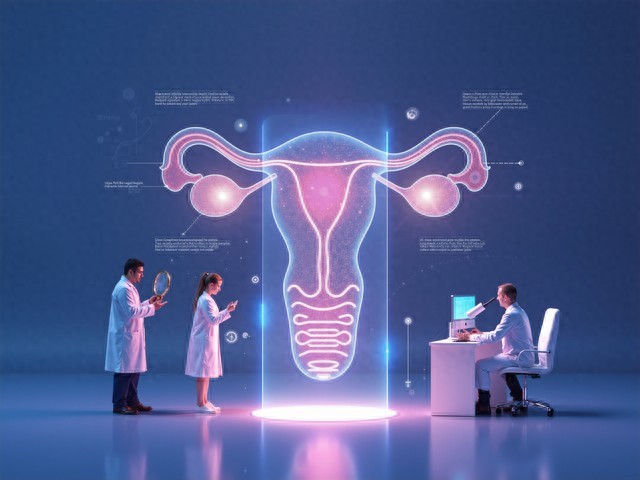
Cervical Erosion: A Physiological Phenomenon Misleadingly Named
This term, which once terrified countless women, is actually a major misunderstanding.
The so-called "cervical erosion" is mostly a physiological phenomenon known as cervical columnar epithelium eversion, which is essentially a normal manifestation under the influence of estrogen. The medical community has now abandoned this misleading diagnostic term and replaced it with "cervical columnar epithelium ectopia."
This condition usually does not require specific treatment and should definitely not be subjected to various physical therapies.
Treatment is only necessary when there is a co-infection or obvious symptoms. Treating physiological phenomena as diseases not only wastes money but may also cause unnecessary damage to the cervix.

Uterine Fibroids: Treatment Plan Determined by Size and Location
Uterine fibroids are the most common benign tumors in women, but not all fibroids require surgical intervention.
The principles of medical management mainly depend on the size and location of the fibroids and whether they cause symptoms.
Small, asymptomatic fibroids are usually recommended for regular observation without special treatment.
Surgical intervention should only be considered when fibroids cause excessive menstrual bleeding leading to anemia, produce significant compression symptoms, or show rapid growth in a short period. An individualized treatment plan represents the most scientific approach to diagnosis and management.

Ovarian Cysts: Differentiating Physiological from Pathological
Do not panic if an ovarian cyst is discovered during a physical examination. First, it is essential to determine whether it is a physiological or pathological cyst. Physiological cysts related to ovulation, such as follicular cysts and corpus luteum cysts, typically resolve on their own within 2–3 menstrual cycles.
Only pathological cysts that persist, continue to grow, or show malignant features on ultrasound require further diagnosis and treatment. Doctors will assess the nature of the cyst through regular ultrasound follow-ups and tumor marker testing to formulate an appropriate management plan.
Pelvic fluid accumulation: A small amount is a normal physiological phenomenon
A small amount of fluid in the pelvic cavity is a normal physiological phenomenon, especially around ovulation and before or after menstruation. Pathological factors such as pelvic inflammatory disease should only be considered when there is a larger volume of effusion accompanied by symptoms like abdominal pain and fever.

HPV Infection: Not Equal to Cervical Precancerous Lesions
HPV infection is very common among sexually active women, with approximately 80% of women contracting HPV at some point in their lives. However, over 90% of these infections are cleared by the body's immune system within 1-2 years.
Only persistent infection with high-risk HPV types may progress to cervical precancerous lesions, a process that typically takes several years or even over a decade.
After discovering HPV infection, the correct approach is to undergo regular cervical cancer screening rather than excessive treatment. Currently, there are no specific drugs that can eliminate HPV. Boosting one's own immunity is the best "medicine."

Abnormal Uterine Bleeding: Determining the Cause is Essential
Unlike the previously mentioned situations, abnormal uterine bleeding is a symptom that must be taken seriously.
Conditions including irregular menstrual cycles, prolonged menstruation, increased menstrual flow, or postmenopausal bleeding may all indicate diseases such as endometrial polyps, adenomyosis, endocrine disorders, or even malignant tumors.
When these symptoms occur, it is crucial to seek prompt medical attention. Through gynecological examinations, ultrasounds, endocrine testing, and other diagnostic methods, the underlying cause should be identified for targeted treatment.
Scientific gynecological health management should adhere to the following principles:
Firstly, regular gynecological examinations form the foundation of maintaining women's health. It is recommended that sexually active women undergo a comprehensive gynecological check-up annually, including gynecological ultrasound and cervical cancer screening.
Secondly, trust the judgment of medical professionals. Online information varies in quality, and the diagnosis and treatment of diseases require evaluation by a doctor based on specific conditions. When health issues arise, the wisest approach is to seek professional assistance from a legitimate healthcare facility.
Most importantly, establish a proper perspective on health. Do not become overly anxious about normal physiological phenomena, nor should you ignore clear signs of illness. Understanding scientifically based health knowledge is key to making informed health decisions.