Drinking a warm glass of milk before bed to help sleep? Gynecologist: These 3 habits make it easier to sleep soundly than drinking milk
Late at night, when all is quiet, you toss and turn, counting countless sheep yet still wide awake. At this point, many people recall the classic suggestion: have a warm glass of milk before bed.

The tryptophan in milk does help synthesize melatonin, which promotes sleep, but for women suffering from menopausal insomnia or sleep disorders due to gynecological endocrine issues, its effects may be minimal.
As gynecologists, we have found in clinical practice that, compared to seeking certain "sleep-inducing foods," establishing correct pre-sleep behavioral habits often plays a more decisive role in improving sleep quality.
The following three scientifically proven effective habits, if consistently practiced, can provide sleep-enhancing effects far superior to a cup of warm milk.

Habit 1: Maintain a consistent "dark environment" to safeguard melatonin secretion
Our sleep is regulated by an internal biological clock, which is highly sensitive to light.
Even the faint blue light emitted from mobile phone screens or night lights is sufficient to be detected by the retina, sending the brain a false signal that "it is daytime," thereby strongly inhibiting the natural secretion of melatonin.
Melatonin is the key hormone governing the sleep-wake cycle. Insufficient secretion directly leads to difficulty falling asleep and shallow sleep.

One hour before bedtime, consciously stay away from all electronic screens, including mobile phones, tablets, and televisions.
Adjust the bedroom lighting to a dim, warm tone, or use blackout curtains to create a nearly pitch-dark sleep environment.
This is not merely turning off the lights; it's switching your brain into "sleep mode." A patient suffering from long-term insomnia reported after sticking to this method for a week: "I’ve never felt falling asleep could be so natural, as if being gently wrapped by the darkness."
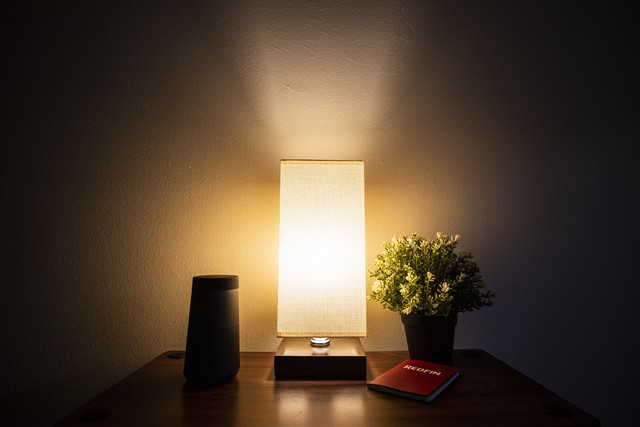
Habit Two: Establish a Relaxing "Bedtime Ritual" to Give Your Brain a Buffer Zone
Many people are accustomed to thinking about work, handling household chores, or engaging in intense arguments with others until the very moment they lie down. This keeps the brain in a highly excited "fight mode," making it impossible to immediately switch to "sleep mode."
Establish a "relaxation buffer zone" for yourself 30–60 minutes before bedtime.
This ritual can include: soaking feet in warm water around 40℃ for 15 minutes, listening to a piece of soothing pure music or white noise, engaging in 10 minutes of gentle stretching or meditation, or reading a light physical book (not thrillers or professional literature).
The core is to allow the body and mind to smoothly transition from daytime tension and busyness to the tranquility of night. This ritual is like the taxiing of an airplane before landing—an essential process to ensure a safe and smooth "landing."

Habit Three: Maintaining a Cool "Sleep Temperature" to Align with the Body's Circadian Rhythm
The natural signal for initiating sleep is the drop in the body's core temperature. However, due to hormonal fluctuations, menopausal women often experience hot flashes and night sweats, leading to disrupted nighttime temperature regulation. This makes them highly susceptible to waking up in the middle of the night from sudden bouts of heat.
Consciously adjust the bedroom temperature to a slightly cool range of 18–22°C, and opt for breathable, moisture-wicking cotton sleepwear and bedding.
Taking a warm bath before bed can also help, as the evaporation of water from the skin after drying helps dissipate heat and promotes a drop in body temperature.
A cool sleep environment effectively reduces the frequency of nighttime awakenings and extends the duration of deep sleep. This approach addresses the issue of "waking up from heat" more fundamentally than any hot beverage.
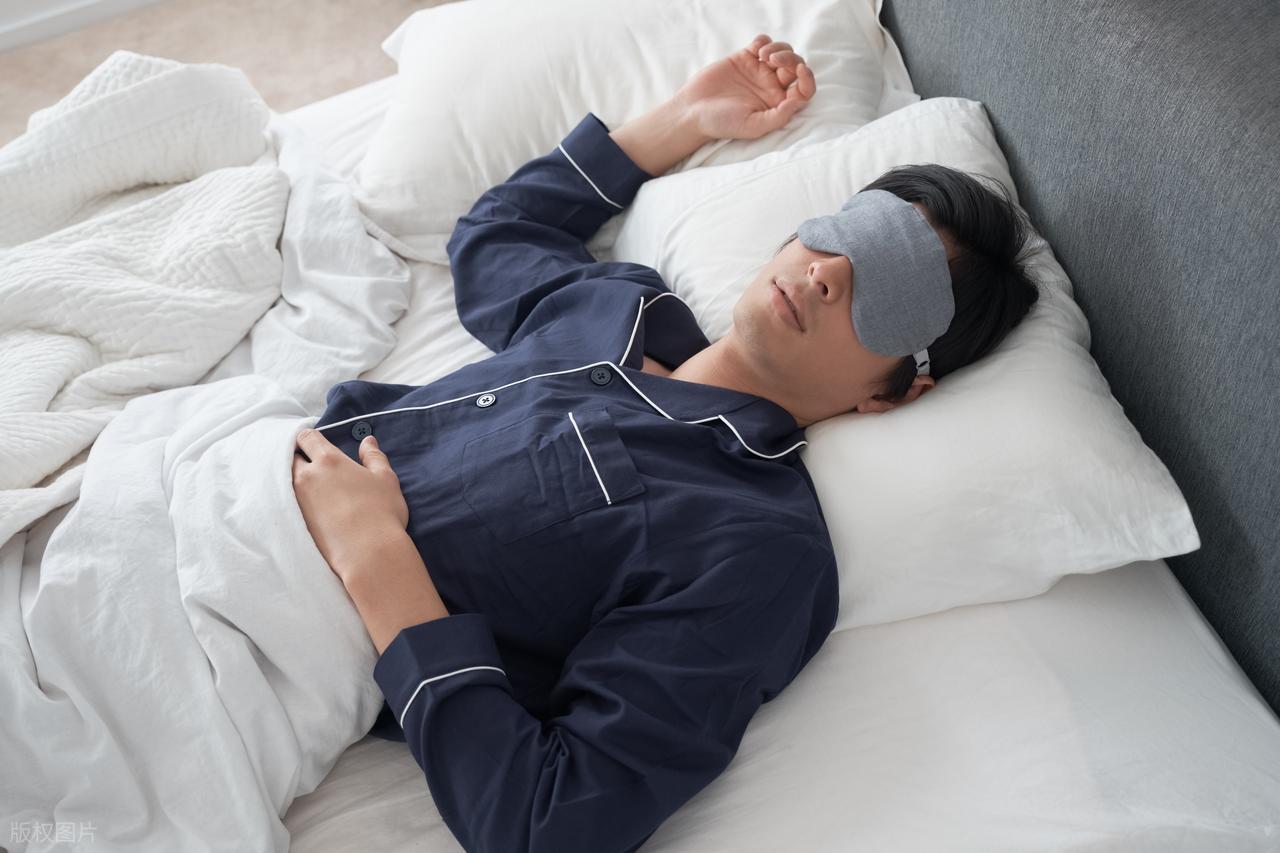
【Clarifying Common Misconceptions About Sleep】
Using alcohol to aid sleep? Completely wrong! While alcohol may help you fall asleep quickly, it severely disrupts sleep structure in the later half of the night, leading to fragmented sleep, frequent dreams, and lingering fatigue upon waking.
Over-reliance on sleep aids? They should be used short-term under medical guidance. Long-term dependence can lead to drug resistance and side effects, without addressing the root causes of insomnia.
Quality sleep isn't something you can achieve by relying on a single "magic" food. It's more like a finely tuned system that requires a suitable environment, a calm mindset, and consistent habits to sustain it.
Rather than desperately seeking external "sleeping pills," it's better to create your own "sleep ritual."
When darkness, tranquility, and coolness become the prelude to the night, and when your body and mind learn to transition calmly between day and night, a deep and restful sleep will arrive as promised.