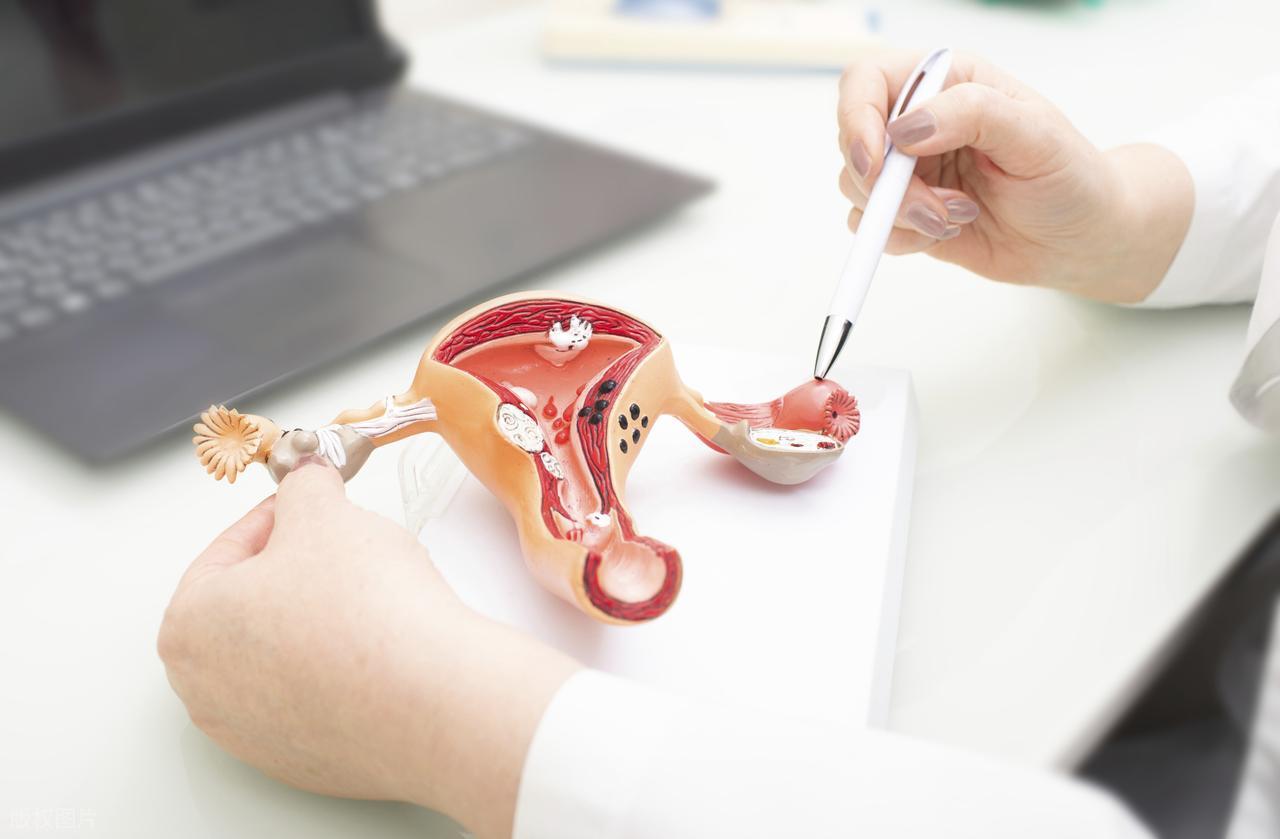
What Does It Feel Like to Be a Woman Without a Uterus? Sharing My Experience 5 Years After a Total Hysterectomy
Five years ago, when the doctor held my test results and earnestly recommended that I undergo a "total hysterectomy," my world instantly collapsed.
It wasn't because of the fear of illness, but rather the immense panic and sense of loss from the fact of "losing my uterus" itself. That feeling was like being about to be stripped of some core part of being a woman.
I have severe adenomyosis. Years of painful periods and heavy bleeding have left me anemic and weak, with a very poor quality of life. After trying various conservative treatments without success, surgery became my only option.
Now, five years later, I want to honestly share this journey as a firsthand experiencer, hoping to provide some genuine reference for sisters facing the same choice.
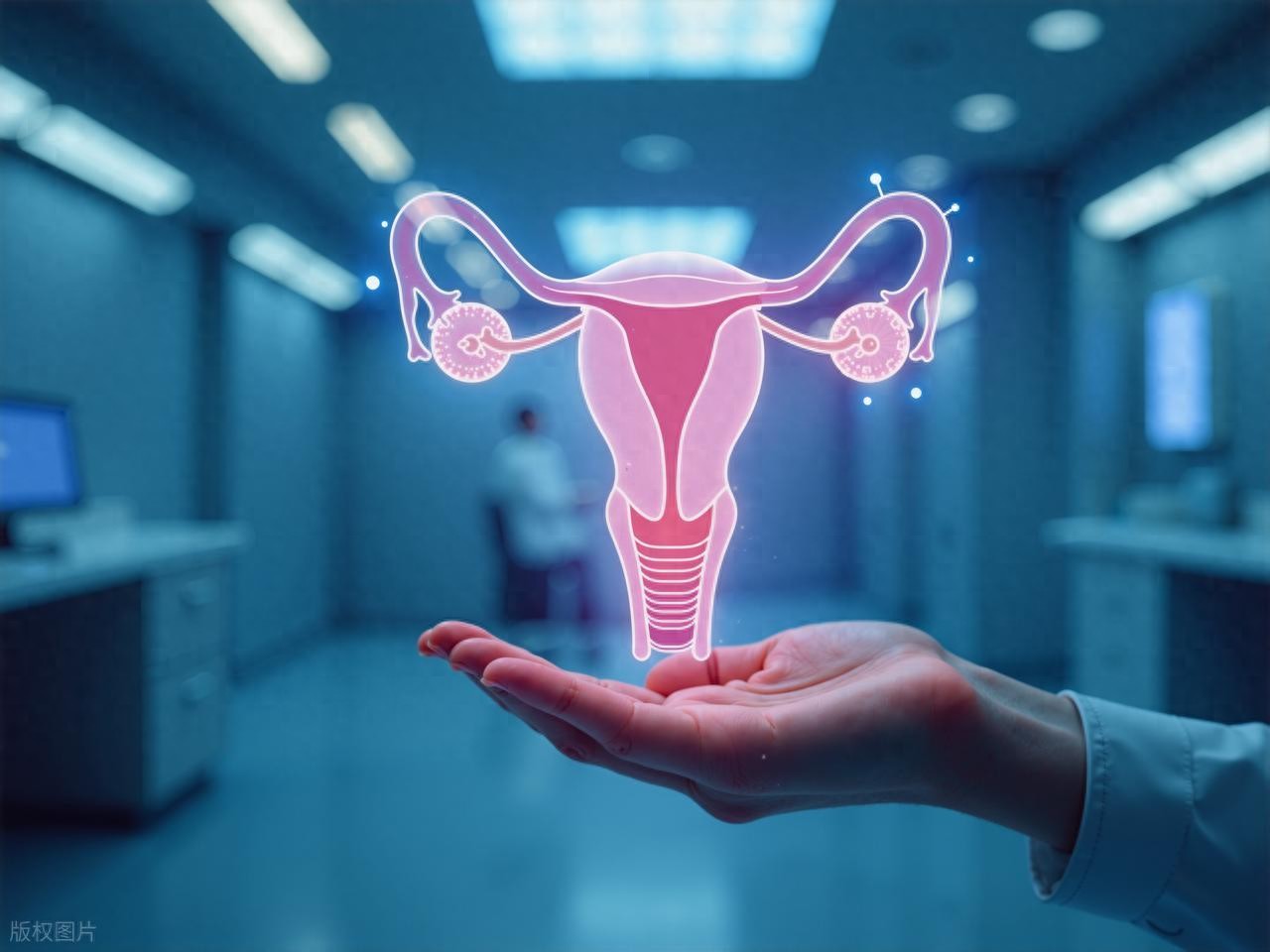
Physical Changes: The End of Pain and New Challenges
The most immediate change was the complete disappearance of the excruciating pain and heavy bleeding that had plagued me for over a decade.
On the first day after surgery that would have normally been my period, the sense of ease—not having to calculate how many sanitary pads to use or prepare painkillers in advance—left me so emotional I nearly cried.
My hemoglobin levels have returned to normal, my complexion is no longer sallow, and my physical strength has greatly improved.

However, the surgery also brought new challenges. Because both of my ovaries were removed, I essentially plunged headlong into "surgical menopause." Hot flashes, night sweats, insomnia, vaginal dryness...
This natural menopausal process, which could take several years to occur naturally, I experienced in its entirety within just a few weeks after surgery.
It required me to undergo standardized hormone replacement therapy (HRT) under my doctor's guidance, along with lifestyle adjustments, before I gradually adapted.

Emotional Ups and Downs: From a Sense of "Incompleteness" to a Feeling of "Rebirth"
This was the most difficult hurdle. During the first six months after surgery, an inexplicable feeling of "incompleteness" often lingered in my heart.
Even though my childbearing responsibilities were long complete, the thought that the "home" that once nurtured my child was no longer there still brought sadness. I worried about my husband's perspective, though he consistently offered me support and care.
The turning point occurred after I started shifting my focus from “what I had lost” to “what I had gained.” I no longer had to endure nearly ten days each month tormented by pain and weakness. I could freely plan my work and travel without being constrained by my menstrual cycle.
I regained a sense of control over my life. A fellow patient’s words resonated with me: “What we removed was a diseased, painful organ, not our identity as women.”
About the Real Feelings of Marital Life
This is a question many sisters are too shy to ask but deeply care about. I can confidently tell you all: after a hysterectomy, it's still possible to have a harmonious and enjoyable married life.
Due to the removal of the ovaries, vaginal dryness is an issue that needs to be faced. However, this problem can be effectively resolved by using topical estrogen cream or lubricants.
In fact, because I was completely freed from the fear of painful intercourse and sudden heavy bleeding at any time, both my body and mind became more relaxed, allowing me to better enjoy intimate relationships. What's important is to communicate openly with your partner and face and adjust to the changes together.

Sincere advice for sisters who are about to undergo surgery
Thorough Communication: Before the procedure, be sure to thoroughly discuss with your attending physician to understand the scope of the surgery (whether the ovaries and cervix will be preserved), the surgical approach, potential risks, and details about postoperative recovery.
Seek Support: Do not bear the pressure alone. Having in-depth discussions with family members, especially your partner, is crucial for gaining their understanding. You can also connect with women who have had similar experiences to share and exchange stories.
Emphasize Recovery: Follow your doctor's instructions post-surgery, rest well, and gradually resume activities. Pelvic floor muscle training is very helpful in preventing long-term pelvic organ prolapse and improving sexual sensation.
Adjust Your Mindset: Allow yourself a period of low emotions, but consciously guide yourself to look forward. Your value never lies in an organ, but in who you are. Your feminine charm is defined by your wisdom, gentleness, and vitality.

Looking back over these five years, for me, a total hysterectomy was not a deprivation, but a liberation for the sake of living better.
It took away my illness and gave me back a healthy life and precious time.
If I were to describe the feeling, it would be that after a brief period of confusion and adjustment, I could finally travel light and embrace the infinite possibilities of the second half of my life with a more composed and healthier posture.