Academician Li Lanjuan: Menopausal friends should supplement three types of vitamins to prevent cervical and breast cancer
Menopause is a critical turning point in a woman's life.
As ovarian function declines, the body not only experiences short-term discomforts such as hot flashes and insomnia but also faces long-term health challenges due to decreased estrogen levels, including an increased risk of gynecological tumors such as cervical and breast cancers.
Li Lanjuan, a renowned infectious disease expert and academician of the Chinese Academy of Engineering, has emphasized in multiple women's health science outreach activities that scientific management is key to a smooth transition through menopause.
She particularly pointed out that, in addition to regular check-ups and necessary medical interventions, targeted nutritional support is an indispensable part of menopause health management. Among these, adequate intake of three specific vitamins is of great significance for maintaining gynecological health and preventing related cancers.

The first vitamin: Vitamin D—the "regulator" of cellular health
In the past, we only knew that vitamin D promotes calcium absorption and prevents osteoporosis. However, modern research reveals that its role extends far beyond this. Vitamin D is actually a steroid hormone that plays a central role in regulating cell growth, differentiation, and apoptosis.
For women going through menopause, the "regulatory" role of vitamin D is particularly important.
It can inhibit abnormal cell proliferation and promote programmed cell death (apoptosis) of abnormal cells—these two mechanisms are key to preventing cancers, including breast cancer and cervical cancer.
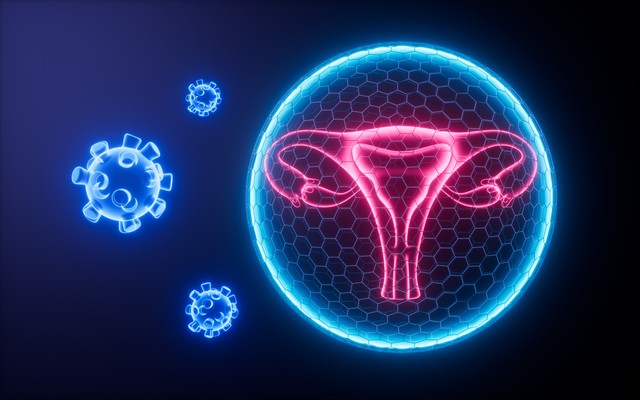
When vitamin D levels in the body are sufficient, it is like equipping the cells with a strict yet fair "regulator" that can promptly correct errors during cell division and prevent them from progressing toward cancer.
A large-scale study published in the American Journal of Clinical Nutrition found that maintaining higher serum vitamin D levels is significantly associated with a reduced risk of breast cancer.
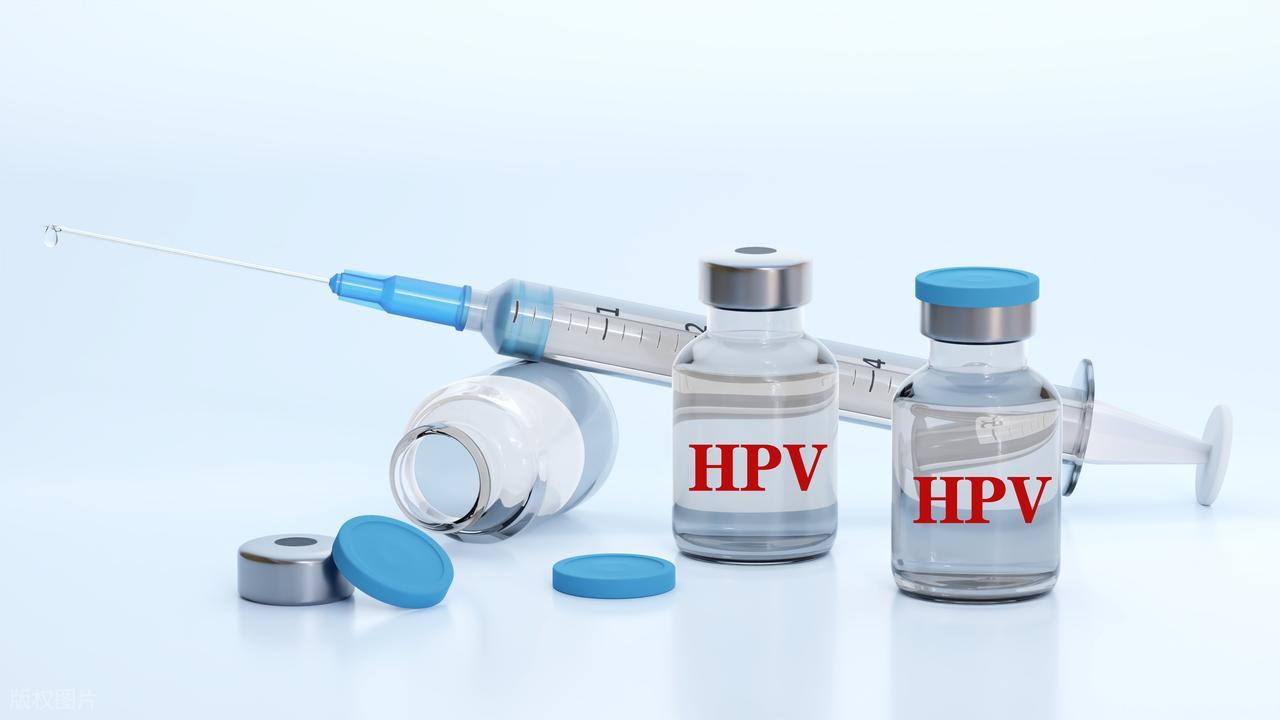
Another study also indicates that vitamin D deficiency may be associated with persistent HPV infection and disease progression in the cervix.
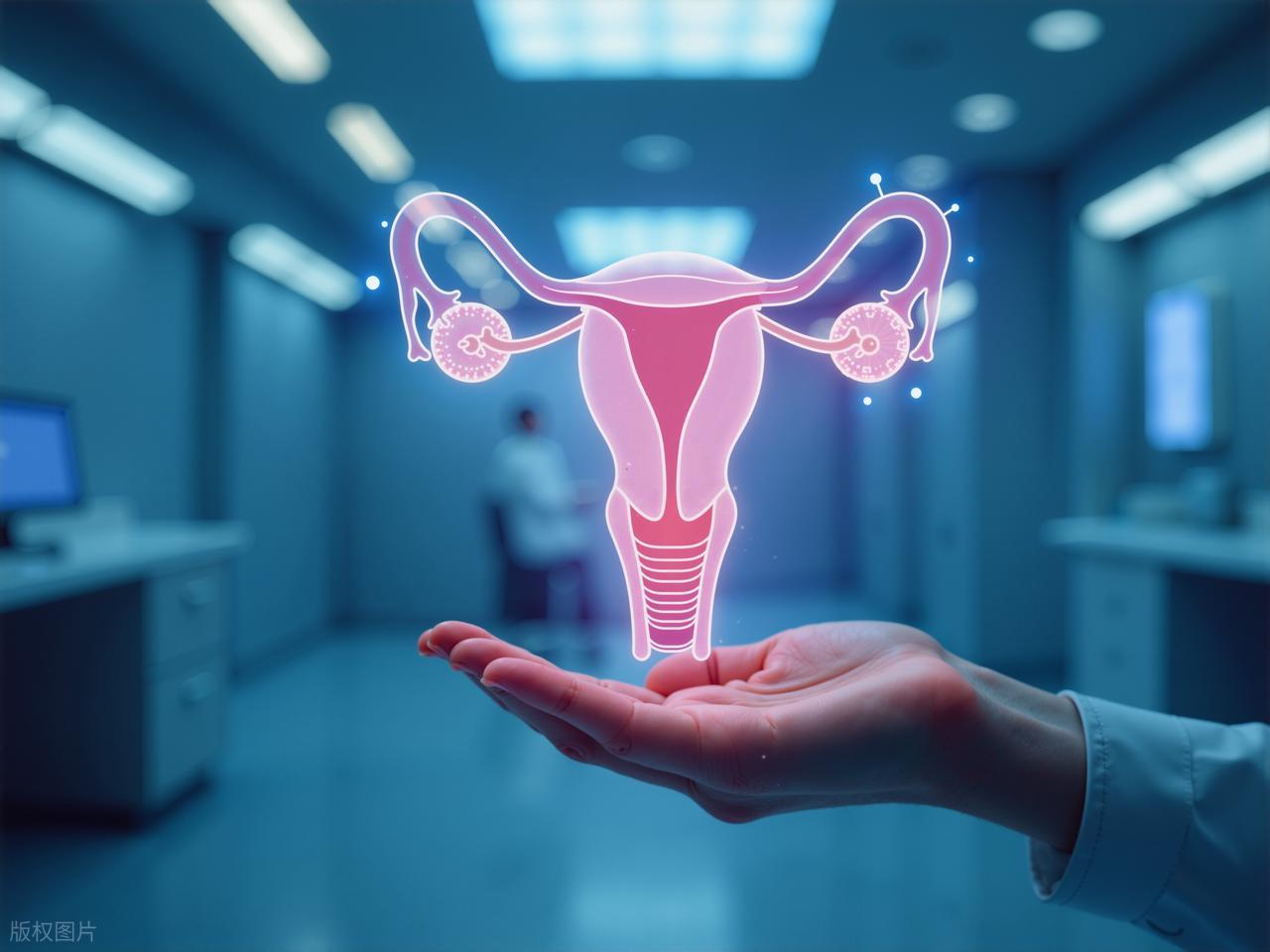
The second vitamin: Folic acid (vitamin B9)—the "guardian" of genetic stability
Folic acid is an essential nutrient for cell division and DNA synthesis. Its core function is to act as a carrier of "one-carbon units," participating in the methylation of DNA, which is a crucial switch for regulating gene expression.
When folic acid is deficient, errors in DNA synthesis and repair can occur, and the methylation patterns of genes may become disrupted. This not only increases the risk of genetic mutations but may also activate certain proto-oncogenes.
For cervical health, women with adequate folic acid levels have a stronger ability to clear the virus after encountering high-risk HPV infection, and the risk of viral integration into host cell DNA leading to carcinogenesis is relatively lower.

"The Dietary Guidelines for Chinese Residents (2022)" explicitly recommends that adults should consume 400 micrograms of dietary folate equivalent daily.
For women going through menopause, ensuring adequate folate intake is akin to employing a meticulous "proofreader" for the genetic material of cells, safeguarding the stability and health of genes at the molecular level.
Third type of vitamin: Vitamin C—the "reinforcer" of immune defenses and antioxidant "guardian."
Vitamin C is a powerful water-soluble antioxidant and an essential cofactor in the synthesis of collagen and various neurotransmitters. Its cancer-preventive effects are demonstrated in two key areas.
First, vitamin C can neutralize free radicals in the body, reducing oxidative stress-induced DNA damage. This type of damage is one of the common triggers leading to cellular carcinogenesis.
Secondly, vitamin C is crucial for the normal function of the immune system. It enhances the activity of white blood cells, promotes antibody production, and helps the body more effectively recognize and eliminate virus-infected abnormal cells, as well as early cancerous cells.
This is particularly important for preventing cervical cancer caused by the HPV virus, as a strong and vigilant immune system is the most powerful weapon for clearing HPV.
According to Academician Li Lanjuan, diet should always be the primary choice for nutritional supplementation.
Supplement Vitamin D: Engage in more outdoor activities, exposing your limbs to sunlight for 15-30 minutes at least twice a week. Increase intake of fatty fish (such as salmon), animal liver, and egg yolks.
Supplement Folic Acid: Consume more dark green leafy vegetables (spinach, asparagus), legumes, nuts, and animal liver.
Supplement Vitamin C: Fresh fruits and vegetables are the best sources, such as fresh dates, kiwifruit, strawberries, oranges, broccoli, and bell peppers.

For menopausal women who cannot meet their needs through diet or already have a deficiency, appropriate supplements may be chosen under the guidance of a doctor or nutritionist.
Menopause health is a long-term battle that requires active management from us. Building a solid foundation of health through balanced nutrition is a cornerstone of cancer prevention that no medication can replace.
Focusing on the intake of these three key vitamins is not only about alleviating current discomfort, but also an important and wise investment in the quality of life for the next two to three decades.