Research findings indicate that hypertensive patients who walk daily may experience four changes within six months
Uncle Wang has been diagnosed with hypertension for three years, and taking antihypertensive medication on time every day has become an unshakable habit for him.
However, his recent follow-up results have sounded an alarm: despite not stopping his medication, his blood pressure has not been ideally controlled, and his weight and blood lipid levels have risen.

After adjusting his medication, the doctor gave him a seemingly simple yet crucial suggestion: "From now on, take a walk every day after meals."
Like Uncle Wang, many hypertension patients place all their hopes on medication, overlooking lifestyle as a powerful "adjuvant therapy."
In recent years, multiple authoritative research investigations have confirmed that for hypertensive patients, consistently walking daily, this simplest and most accessible form of exercise, can bring surprising positive changes to the body after six months of continuous practice.
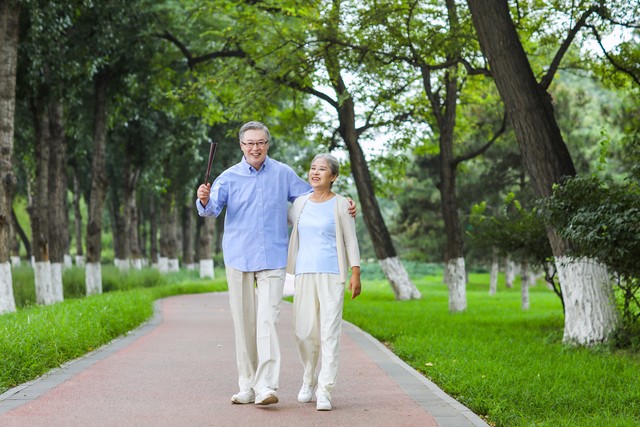
Change 1: Substantial improvement in blood pressure readings and more "relaxed" blood vessels
This is the most direct and central benefit. When walking, the rhythmic contraction and relaxation of the large muscle groups in the legs act as gentle "massages" for the blood vessels throughout the entire body.
This rhythmic stimulation optimizes endothelial function in blood vessels, promoting the release of nitric oxide, which is a potent vasodilator.
The "Chinese Guidelines for the Prevention and Treatment of Hypertension" clearly state that regular aerobic exercise can reduce systolic blood pressure by 4-9 mmHg, an effect comparable to that of a single antihypertensive medication. Consistently walking is akin to having a 24-hour "natural blood pressure regulator" for the body without increasing medication dosage.
A patient who persisted in walking for half a year reflected, "Now, that half-hour I spend walking each day is not a journey to distant places, but the path to my blood pressure returning to normal."
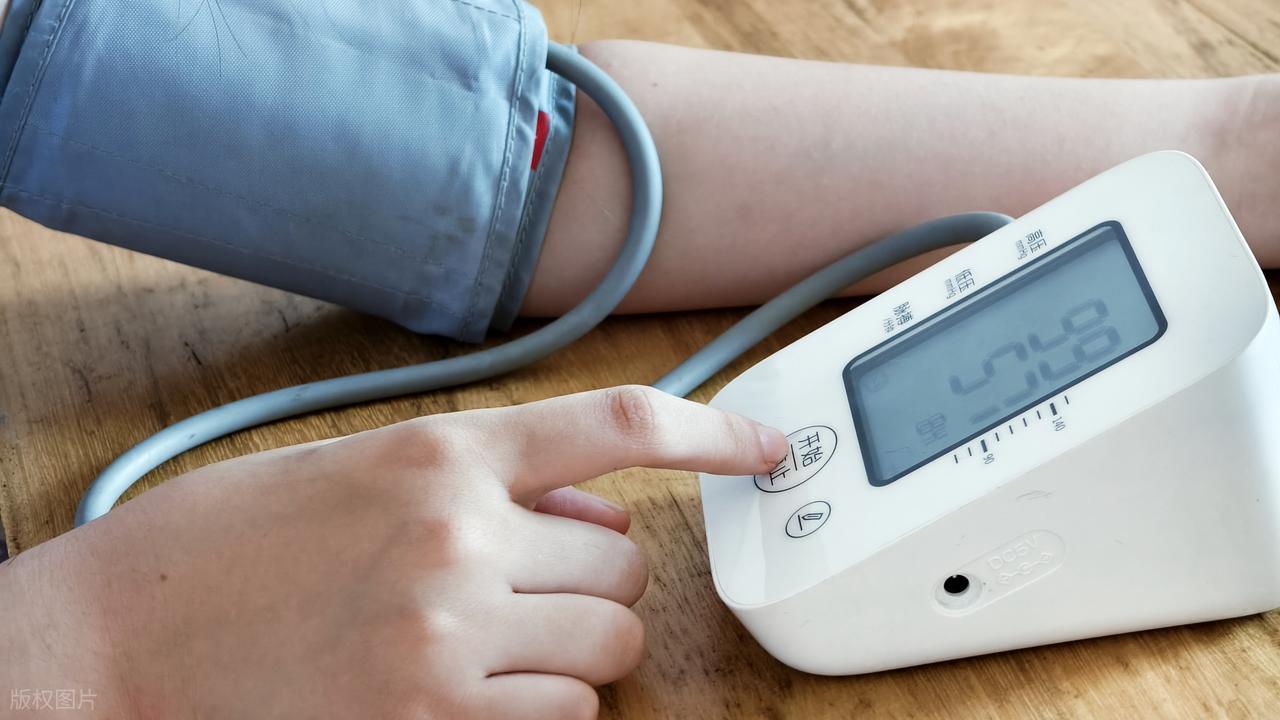
Change 2: Steady decline in weight and waist circumference, lightening the burden on the cardiovascular system
Hypertension often accompanies being overweight or obese. Excess fat, especially abdominal fat, secretes a series of inflammatory factors that interfere with normal metabolic and blood pressure regulation mechanisms.
Maintaining a daily habit of brisk walking for 30–60 minutes is an effective aerobic fat-burning exercise. It continuously consumes calories and reduces the accumulation of visceral fat.
Over six months, achieving a weight loss of 5%–10% is entirely realistic. Weight loss is one of the most effective lifestyle interventions for lowering blood pressure; for every 1 kilogram lost, systolic blood pressure can drop by approximately 1 mmHg.
This is not merely a change in physique, but it directly alleviates the heavy burden on the heart and blood vessels.
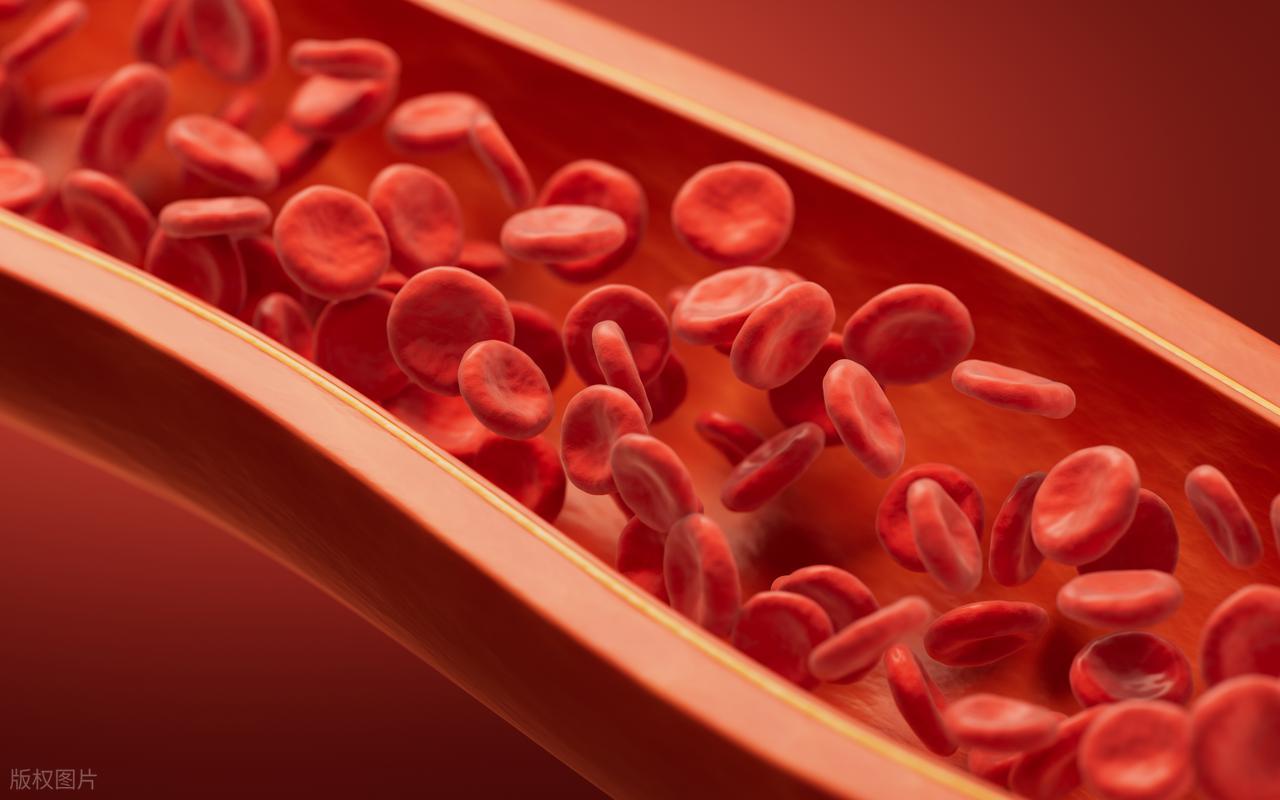
Change Three: Reduced Medication Dependency, Treatment Enters a "Beneficial Cycle"
This does not encourage patients to stop their medication on their own, but rather represents a scientific treatment goal. By consistently taking walks, improvements in multiple indicators such as body weight, blood lipids, and insulin sensitivity will lead to a significant optimization of the body's overall metabolic environment.
In such cases, patients may need to reduce the types or dosage of their antihypertensive medications under the assessment and guidance of a physician.
Clinical cases have shown that early-stage mild hypertensive patients who strictly adhere to an exercise prescription can even maintain normal blood pressure after discontinuing medication.
This means you will be less exposed to the potential side effects of medications and will manage your health in a more proactive manner.
Change 4: Alleviation of Anxiety, Breaking the Vicious Cycle of "Stress-Induced" Hypertension
Emotional fluctuations are the "invisible switch" for blood pressure. Prolonged mental tension and anxiety can lead to sympathetic nervous system excitement, increased heart rate, vasoconstriction, and directly elevate blood pressure.
Walking, especially in natural environments such as parks or green spaces, has been proven to be an effective form of "mobile meditation."
It helps reduce stress hormone levels and promotes the secretion of endorphins in the brain—a type of "natural morphine" that induces feelings of pleasure.
Many patients have found that after taking a walk, not only does their body feel more relaxed, but the stress and gloominess pent up in their hearts seem to dissipate as if carried away by the wind. With a calmer state of mind, blood pressure naturally becomes more "cooperative."
**[A Walking Guide for Hypertension Patients]**
Intensity: Aim for a level where you are "slightly breathless but still able to converse," with a heart rate controlled around (170 minus age) beats per minute.
Duration: 30-60 minutes per session, 5-7 days per week. Begin 30 minutes after meals.
Preparation: Wear comfortable athletic shoes, warm up for 5 minutes, and do 5 minutes of cool-down activities after walking.
The key: Perseverance—incorporate walking into your daily routine as naturally as eating and sleeping.

Walking—this action we often take for granted—harbors tremendous power in combating hypertension. It requires no expensive equipment, is unrestricted by location, and yet can dismantle the foundations of hypertension from multiple angles.
Each step you take every day infuses vitality into your blood vessels and grants your heart a longer, healthier beat. Starting today, let us use our feet to walk a steadier, healthier path into the future.