Why Are More and More Women Getting Breast Cancer? Reminder: These 5 Reasons, It's Beneficial to Understand
In recent years, whether in news reports or within our social circles, it seems we frequently hear of women around us being diagnosed with breast cancer.
According to statistics released by the National Cancer Center, breast cancer has become the leading cause of malignant tumor incidence among women in China, and the trend of rising incidence is concerning.
This is no longer a topic that can be overlooked. Why is breast cancer becoming so prevalent?
This is the result of multiple modern lifestyle and environmental factors working together. Understanding the following five increasingly prominent reasons is not about living in fear, but about recognizing the risks to better protect ourselves.

Reason 1: Delayed Childbirth and Reduced Breastfeeding, Losing the "Protective Umbrella"
A woman's reproductive history is closely linked to her breast cancer risk. The later the age at first full-term pregnancy, the higher the corresponding risk. Additionally, not breastfeeding or breastfeeding for too short a duration after childbirth deprives women of an important protective factor.
The underlying biological mechanism is related to estrogen. Each complete pregnancy and delivery, along with prolonged breastfeeding, means a reduction in the total number of menstrual cycles a woman experiences in her lifetime, thereby shortening the duration of exposure to cyclical estrogen fluctuations.
Estrogen is one of the key factors that stimulate breast cell proliferation and can induce carcinogenesis. The societal trend of modern women marrying and having children later, having fewer children, and breastfeeding for shorter periods or not at all objectively increases the population-level risk of breast cancer.

Reason 2: Unhealthy Diet and Obesity, Providing a "Breeding Ground" for Cancer Cells
The increasingly widespread adoption of Westernized dietary patterns—characterized by high calorie, high fat, and low fiber intake—coupled with sedentary lifestyles has led to a surge in overweight and obese populations.
Adipose tissue, particularly in postmenopausal women, serves as a significant source of estrogen in the body.
Obese women tend to have relatively higher levels of estrogen, which continuously stimulates breast tissue.
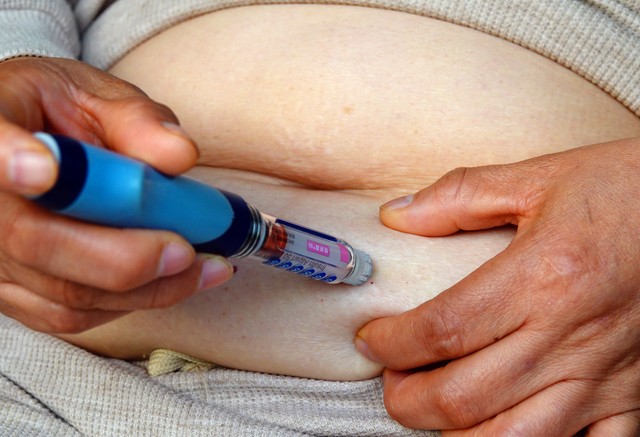
Additionally, obesity is often accompanied by insulin resistance and chronic inflammation, both of which have been confirmed to act as "catalysts" promoting the development and progression of breast cancer.
Reason 3: Mental Stress and Staying Up Late, Breaking Down the Immune "Defense Line"
The fast-paced, high-intensity work and lifestyle have placed many women in a state of chronic stress and mental tension for extended periods.
To cope with stress, the body continuously secretes stress hormones like cortisol, which disrupt the balance of the endocrine system.
More importantly, chronic staying up late and sleep deprivation severely weaken the immune system's functionality.
Our body's immune system acts like a "patrol team," capable of promptly identifying and eliminating abnormally proliferating cancer cells. When this "patrol team" becomes exhausted due to sleep deprivation, cancer cells may seize the opportunity to develop into tumors.
Reason 4: Alcohol intake, a "carcinogen" that should not be ignored
The World Health Organization has long classified alcohol as a Group 1 carcinogen. For breast cancer, drinking alcohol, even in small or moderate amounts, clearly increases the risk of developing the disease.
The metabolite of alcohol, acetaldehyde, directly damages cellular DNA and interferes with the body's absorption and utilization of nutrients such as folic acid, thereby increasing the risk of cell carcinogenesis.
At the same time, alcohol can also increase estrogen levels in the body. For women with alcohol consumption habits, every additional unit of alcohol increases the risk correspondingly.

Reason Five: Increased Screening Awareness and Advances in Diagnostic Technology Lead to More "Discoveries"
This is a positive "reason." In the past, many cases of breast cancer may have gone undetected until advanced stages or even remained undiagnosed.
Today, with the promotion of public health initiatives such as the "Two Cancer Screenings" (cervical and breast cancer) and the widespread dissemination of health education, an increasing number of women are becoming aware of the importance of regular medical check-ups and breast screenings.
More advanced diagnostic equipment (such as high-resolution color ultrasound, mammography, and MRI) allows even the smallest and earliest-stage breast cancers to be detected.
This has contributed to a statistical "rise" in incidence rates to some extent, but in reality, it is a reflection of medical progress, as it means more patients can be diagnosed at an early stage, leading to better treatment outcomes.

【How Should We Respond?】
In the face of these risk factors, we are not helpless. Prevention is always better than cure.
Establish a Healthy Lifestyle: Control weight, maintain a balanced diet, limit alcohol consumption, and adhere to at least 150 minutes of moderate-intensity exercise per week.
Manage Emotions and Ensure Adequate Sleep: Find stress-relief methods that work for you, and strive to achieve 7-8 hours of high-quality sleep each night.
Make Informed Reproductive Choices: When circumstances permit, aim for timely childbearing and persist with breastfeeding.
Maintain Regular Screening: Treat breast self-exams and annual professional check-ups (such as color ultrasound and mammography) as daily essentials, akin to skincare.

The rise in breast cancer incidence is the imprint of societal changes left upon our bodies.
Understanding these causes is not to burden us with heavy psychological stress, but to firmly grasp the initiative for our own health.
By actively addressing modifiable risk factors and using scientific screening to monitor those beyond our control, we are fully capable of gaining the upper hand in this battle for health.