After entering winter, Li Lanjuan advises perimenopausal friends: Remember these "5 don'ts" to keep blood sugar stable all day
As winter arrives and temperatures plummet, people's appetites often increase significantly, leading to a tendency to consume high-calorie foods to combat the cold.
For menopausal women, however, this presents a considerable challenge. Academician Li Lanjuan of the Chinese Academy of Engineering, a renowned expert in infectious diseases and public health, has emphasized on multiple occasions in health science popularization that autumn and winter are critical periods for managing metabolic diseases.
During menopause, decreased estrogen levels can lead to reduced insulin sensitivity in the body, meaning the body's efficiency in utilizing blood sugar is significantly compromised, making it very prone to blood sugar fluctuations and weight gain.
Academician Li Lanjuan, considering the metabolic characteristics, reminds friends in menopause that controlling one's diet is especially important in winter. Remember the following "5 foods to avoid," which can help you easily stabilize blood sugar and maintain a steady state throughout the day.

First don't drink: thick wellness porridges and pastes
In winter, many people like to make warm and smooth purees from whole grains, root vegetables, and nuts as part of a "health regimen."
However, the more finely broken down the food is, the faster it is absorbed in the intestines. A seemingly healthy bowl of whole grain puree may have a much higher glycemic index (GI) compared to chewing the same whole grains directly.
These paste-like drinks, once consumed, cause blood sugar levels to skyrocket in a short time, similar to riding a rocket, stimulating a large secretion of insulin, which is extremely detrimental to menopausal women already experiencing heightened insulin resistance. It is advisable to consume "whole foods" instead, as chewing slows down the absorption rate.
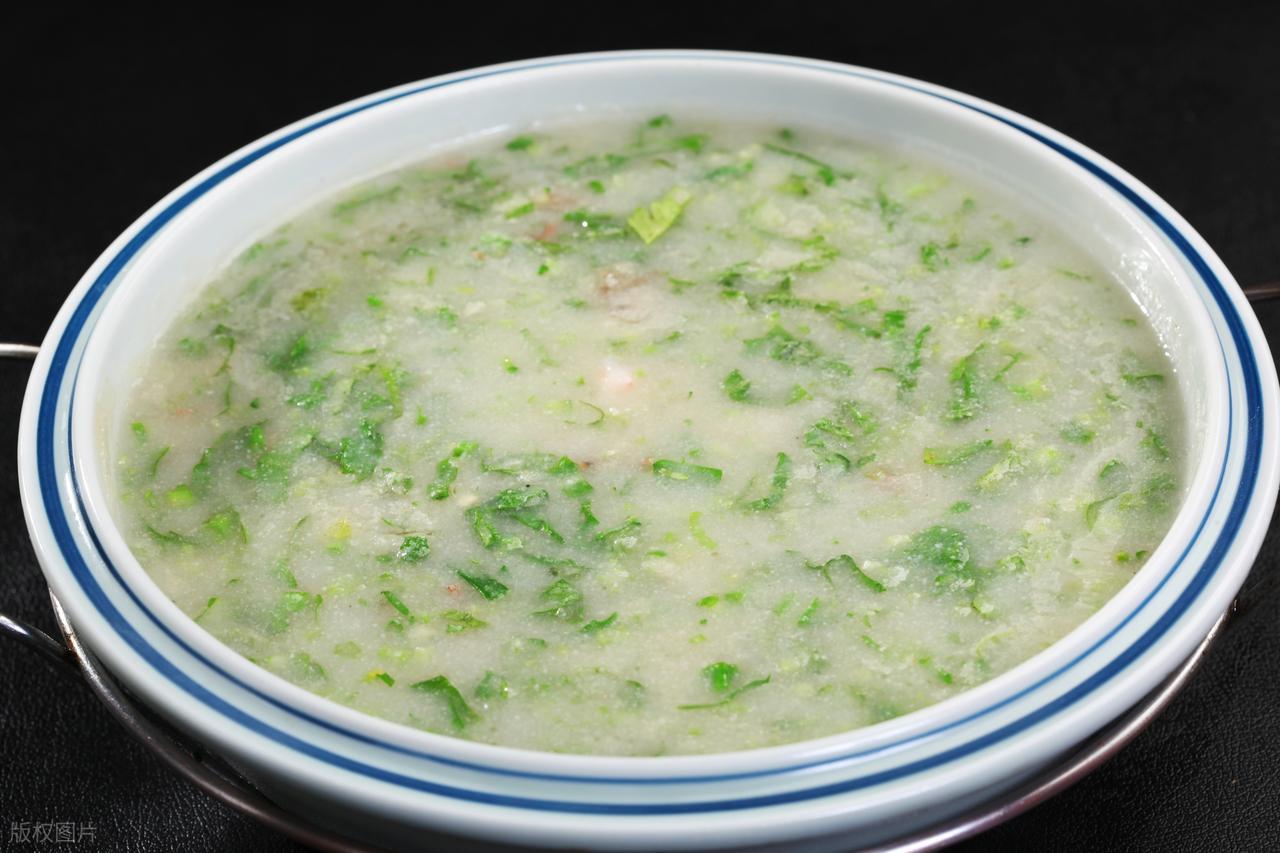
Second don't eat: soft, mushy white rice porridge with refined side dishes
White porridge is a popular winter breakfast choice for many, but after prolonged boiling, the carbohydrates in the rice grains become fully gelatinized and are easily absorbed. After a bowl, blood sugar levels rapidly spike.
Even more dangerous are the accompanying pickles, fermented tofu, and other refined side dishes, which are extremely high in sodium.
High sodium not only raises blood pressure but also exacerbates insulin resistance through complex mechanisms, making blood sugar control even more difficult. If you wish to eat porridge, it is recommended to opt for mixed bean porridge without overcooking it, and pair it with fresh vegetables and eggs.
Third don't touch: sweet and oily "happy" pastries
Winter treats such as milk tea, egg tarts, cookies, and flaky pastries are full of temptation. These foods are typical "sugar-fat combinations" that combine high sugar, high fat, and high calories in one.
A large amount of refined sugar directly causes a spike in blood sugar, while excessive fat slows down gastric emptying, leading to persistently high blood sugar levels for several hours after a meal, creating a "double-peak" impact. At the same time, these foods promote inflammatory responses in the body, further worsening metabolic conditions.
Four No-Contact Items: The Hidden "Sugar Stealth Killers"
Besides obvious sweets, be extra cautious of "unsweetened" sugar-containing foods, such as condiments like ketchup, barbecue sauce, salad dressing, as well as fruit juices and lactic acid bacteria beverages.
They all contain high amounts of added sugars during production, which can easily go unnoticed under the cover of sour or salty flavors. Drinking a bottle of juice may lead to a much sharper blood sugar response than eating several whole fruits. Make it a habit to read the ingredient lists on food packaging.

Five Foods to Avoid: Highly Processed "Imitation" Meat Products
During winter, people often enjoy hot pot and warm dishes, frequently consuming processed meat products such as fish balls, beef balls, luncheon meat, and sausages. To enhance flavor, these products typically contain added starch, white sugar, and flavoring sugars.
Not only do they lose the nutritional value of natural meat, but the added carbohydrates and additives can also cause unnecessary fluctuations in blood sugar. Opting for fresh fish and shrimp, lean meats, and soy products is a wiser choice.
Constructing a Menopause Winter Blood Sugar Stabilization Plate
Keep in mind that remembering the "5 Don'ts" is just the first step; what's more important is learning how to eat correctly.
Make staple foods "coarser": Replace white rice and plain steamed buns with mixed-grain rice or whole-wheat steamed buns.
Ensure adequate protein: Include a palm-sized portion of high-quality protein in every meal, such as chicken breast, fish, or tofu.
Add more vegetables: Eat vegetables first, followed by protein, and then staple foods. This helps wrap dietary fiber around the intestines and delays sugar absorption.
Eat "slower": Chew thoroughly and eat slowly, giving your body enough time to respond and avoiding overeating.

Menopause is a crucial crossroads for women's health, and dietary choices in winter present an even greater challenge.
The core of Academician Li Lanjuan's advice lies in "returning to natural foods and avoiding highly processed ones." Gaining control over your dining table means taking the initiative in your health.
Through wise dietary choices, it is entirely possible to make the winter of menopause warm, satisfying, and stable, paving the way for a healthy and long life ahead.