Gynecology Department Director Reminds: After Age 65, Instead of Constantly Playing Mahjong, It Is Advised to Do These 5 Things at Home
After reaching the age of 65, many elderly women experience a slower pace of life, often spending more time at home. They commonly believe that staying at home is the safest and most worry-free way to spend their retirement years.
However, from the perspectives of geriatric medicine and gynecological health, without proper scientific guidance, some seemingly ordinary habits in home life can gradually and quietly erode one's health.
An experienced gynecological department head once expressed this sentiment during consultations: "Sometimes, I'd rather see my elderly patients go out to play mahjong, join community activities, than stay at home all day repeating these few habits that harm their health."
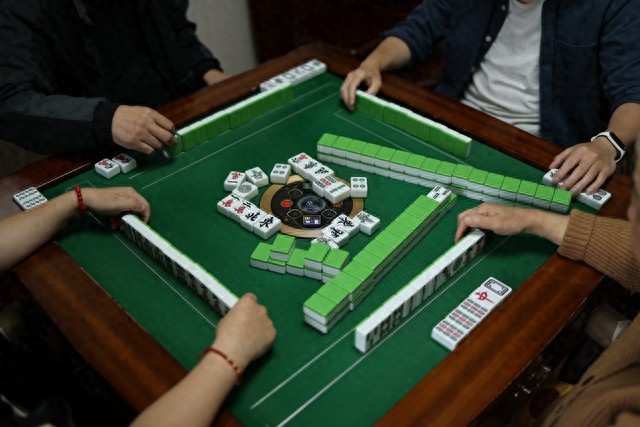
Playing mahjong here is just a metaphor, representing moderate social interaction, a regular routine, and sustained mental activity. In contrast, the following five habits, often unintentionally developed during long periods of staying at home, pose greater potential risks that require our vigilance.
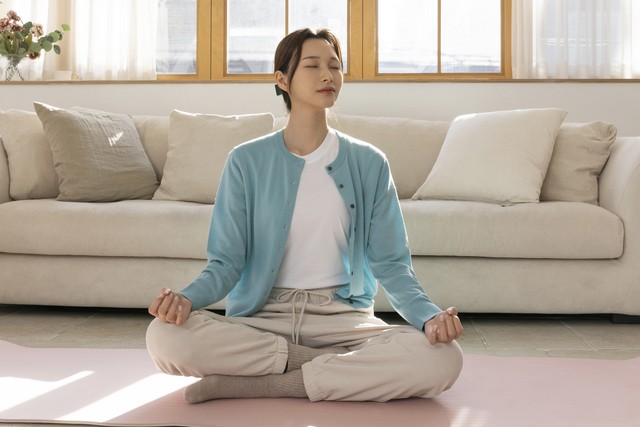
First: Sitting for prolonged periods, staying seated for most of the day
Many elderly people enjoy sitting on the sofa to watch TV, listen to the radio, or quietly do some crafts. They may sit for three or four hours at a time, rarely getting up to move around in between. This is one of the habits most harmful to health.
Prolonged sitting can significantly slow down systemic blood circulation, particularly the venous return in the pelvic region and lower limbs. For elderly women, this brings at least three risks: First, it increases the risk of deep vein thrombosis (DVT) in the lower limbs. Once a blood clot dislodges, it can lead to a potentially fatal pulmonary embolism.
Second, chronic pelvic congestion may induce or exacerbate issues such as chronic pelvic discomfort and urinary tract infections. Lastly, a slowed metabolism can accelerate muscle atrophy and the progression of osteoporosis.
Research indicates that for every hour spent sitting, standing up and moving for 5-10 minutes can effectively counteract some of the health risks associated with prolonged sitting.
Second: Being overly frugal, frequently eating leftover meals
Frugality and thriftiness are virtues, but excessive saving, especially regularly eating leftover meals that are repeatedly reheated, poses significant hidden dangers for elderly individuals with inherently fragile gastrointestinal function.
On one hand, leftovers, particularly leafy greens and seafood, can produce nitrites and harbor bacteria during storage, which are prone to causing acute gastroenteritis.
On the other hand, repeated heating leads to significant nutrient loss. Prolonged consumption of low-nutrient-density foods among the elderly can easily result in hidden malnutrition, leading to a decline in immunity.
The "Dietary Guidelines for Chinese Residents (2022)" specifically emphasizes that food for the elderly should be freshly prepared and consumed immediately to ensure freshness and variety.

Third: Taking baths with water that is too hot and for too long
Older adults tend to feel cold easily and often prefer bathing with very hot water while spending extended periods in enclosed bathrooms. This habit poses a significant challenge to the cardiovascular system.
High temperatures cause dilation of blood capillaries throughout the body, leading to a large amount of blood rushing to the body surface, which results in a relative deficiency of blood supply to the heart and brain. This can easily trigger dizziness, blurred vision, chest tightness, and in severe cases, may induce angina or cerebral ischemia.
The enclosed bathroom environment with low oxygen levels increases the risk of fainting and falls. For elderly women with osteoporosis, a fall can often be the beginning of a fatal fracture.
It is recommended that the water temperature for bathing be kept around 40°C, with the duration limited to within 15 minutes, and ventilation must be maintained.

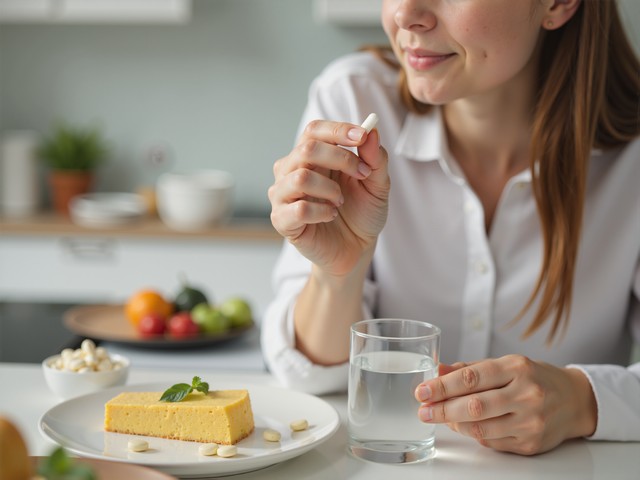
Fourth: Blindly following trends and abusing health supplements and "tonics"
Faced with the dazzling array of health supplements on the market and various "body-boosting" folk remedies they hear about, many elderly people easily fall into the misconception of "treating illnesses if present, strengthening the body if not," and purchase and take them on their own.
The liver and kidneys are the primary organs for drug metabolism and excretion, and their functions naturally decline with age. Blindly combining over-the-counter health supplements with unknown ingredients can increase the burden on the liver and kidneys, potentially leading to drug-induced liver injury or renal insufficiency.
Many health supplements claim to have "estrogen-like" effects. Using them without medical evaluation may stimulate the endometrium or breast tissue, increasing the risk of pathological changes.
Any use of supplements should be based on a comprehensive evaluation by a doctor or clinical nutritionist, tailored to individual needs and administered in appropriate doses.
Fifth: Avoiding social interactions and internalizing negative emotions alone.
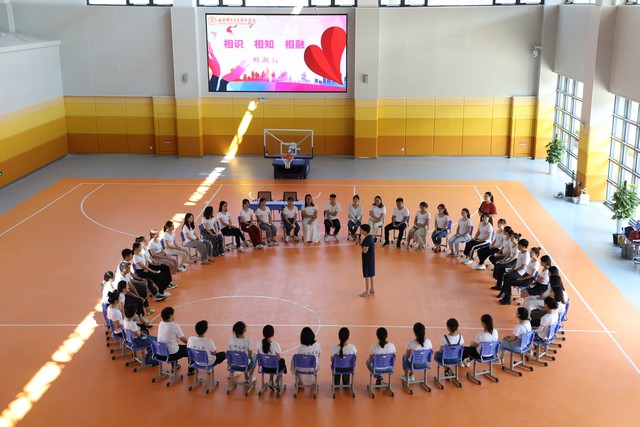
Many elderly people, due to hearing loss, limited mobility, or feeling "unable to keep up with the times," gradually isolate themselves, unwilling to go out and rarely engaging in meaningful communication with family and friends, silently burying their worries and illnesses in their hearts.
Long-term feelings of loneliness and depression are "invisible killers" of health. They can lead to disruptions in the neuroendocrine system, weaken immunity, and significantly increase the risk of developing Alzheimer's disease.
Psychological distress often manifests through physical discomfort, known as "somatization symptoms," such as unexplained pain, insomnia, or palpitations.
Active social activities, such as playing mahjong, participating in community interest classes, or chatting with old friends, are indispensable "nutrients" for maintaining cognitive function, gaining emotional support, and preserving mental health.
Home Living Advice for Women Over 65:
Set an "activity alarm": After every 30-45 minutes of sitting, get up and move for 5 minutes—get a glass of water, stretch, or take a slow walk around the room.
Practice "fresh eating": Prepare meals as needed, aiming to finish your plate each time. If there are leftovers, meat can be refrigerated briefly, but leafy greens are not recommended for overnight storage.
Create a "safe bathroom": Install sturdy grab bars and non-slip mats, and ideally have a family member aware when you are showering. Develop the habit of opening a window for ventilation first, then adjusting the water temperature to a comfortable level.
Maintain a "medication list": List all medications and supplements you are currently taking, regularly review them with your doctor, and never adjust dosages on your own.
Create "Social Opportunities": Actively video call your children and grandchildren, actively participate in community-organized safe activities, and cultivate one or two hobbies that involve interacting with others.

The wisdom of aging gracefully lies not only in accepting the natural changes of the body but also in using a scientific and positive lifestyle to adapt to them.
Home is a warm harbor, but it should not become a prison for health.
Proactively break those habitual yet hidden-risk habits. Plan your daily life as if planning a journey, making every stage of life full of vitality and dignity.