30s and belly weight gain? Polycystic Ovary Syndrome is closer than you think!
After 30, many people notice their belly gaining weight quietly. Don't just chalk it up to getting fat; it could be a warning sign of Polycystic Ovary Syndrome.
After 30, many women distinctly feel their metabolism slowing down, especially around the belly area. Even with controlled diets and occasional exercise, it's very difficult to lose the excess fat.
Most people attribute this to common weight gain caused by aging, lack of exercise, or irregular eating habits, and few associate it with gynecological conditions.

However, this unexplained abdominal obesity may actually be one of the typical signs of polycystic ovary syndrome.
Polycystic ovary syndrome is a common reproductive endocrine metabolic disorder in women, frequently affecting those of reproductive age, with the peak incidence occurring around age 30. Abdominal obesity is closely linked to the development and progression of the condition but is often overlooked.
To understand the relationship between abdominal weight gain and polycystic ovary syndrome, one must first grasp the core issue of the condition—endocrine disruption.
Under normal conditions, the female ovaries regularly release eggs and secrete appropriate amounts of hormones such as estrogen and progesterone, maintaining endocrine balance in the body.
However, in patients with polycystic ovary syndrome (PCOS), ovarian function is abnormal, leading to irregular ovulation, excessive secretion of androgens, and an imbalance between estrogen and progesterone.
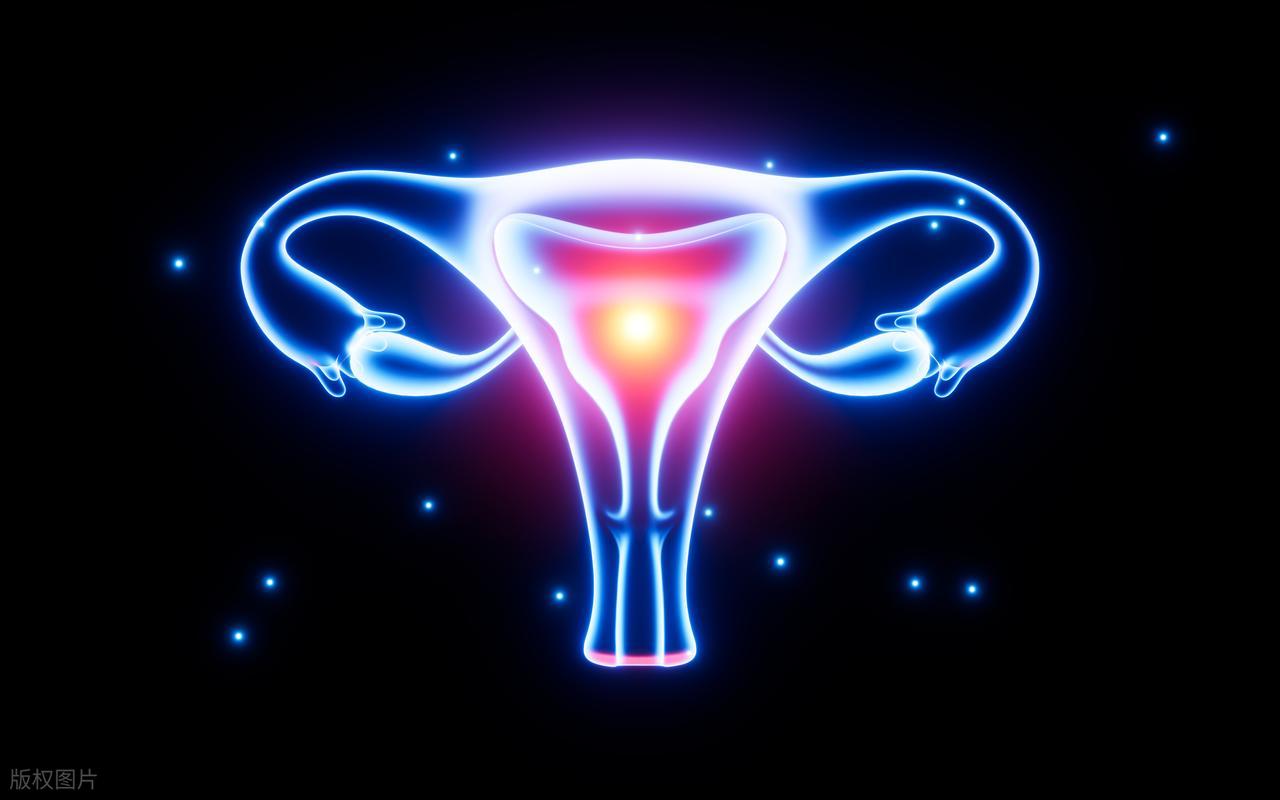
Elevated androgen levels promote fat accumulation in the body, with a distinct tendency for this accumulation to concentrate in the abdominal area, resulting in abdominal obesity.
At the same time, endocrine disorders also affect insulin sensitivity, leading to insulin resistance. In turn, insulin resistance further exacerbates fat accumulation in the abdomen, creating a vicious cycle where "obesity worsens endocrine disorders, and endocrine disorders lead to further weight gain."
Therefore, if you experience sudden belly fat and significant waist enlargement after age 30, accompanied by other abnormal symptoms, be sure to watch out for the possibility of polycystic ovary syndrome.

In addition to abdominal obesity, polycystic ovary syndrome is accompanied by other noticeable symptoms. These symptoms, combined with belly fat, can further indicate the presence of the condition.
The most typical symptom is menstrual irregularities, characterized by a prolonged menstrual cycle. For example, a cycle that was originally 28-30 days may extend to 40 days or longer. Some may also experience reduced menstrual flow, shortened periods, and in severe cases, even amenorrhea.
This is because polycystic ovary syndrome causes irregular ovulation, preventing the regular shedding of the uterine lining, which naturally leads to menstrual abnormalities.

Additionally, hirsutism and acne are also very common. Due to elevated androgen levels in the body, women may experience increased hair growth and coarsening in areas such as around the mouth, chin, and areola, as well as recurrent acne on the face and back. This acne is often accompanied by significant inflammation and is difficult to improve with ordinary skincare routines.
Some patients may also develop acanthosis nigricans, characterized by dark, velvety thickening of the skin in body folds such as the neck, armpits, and groin, which is also a typical manifestation of insulin resistance.
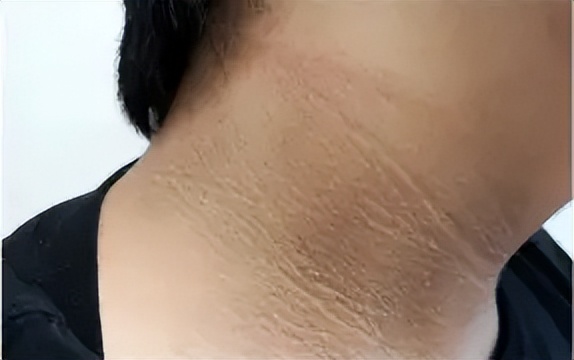
If central obesity is present alongside one or more of the above symptoms, the likelihood of having the condition significantly increases.
If you suspect you might have polycystic ovary syndrome, timely and scientifically-based testing is crucial. Currently, the diagnosis of polycystic ovary syndrome primarily relies on clinical presentation, hormone level testing, and ultrasound examination.
Hormone level testing mainly involves a blood draw to check the six sex hormones, observing whether levels of androgens, luteinizing hormone, and other hormones are abnormal;
Ultrasound examination can directly observe the morphology of the ovaries to check for typical polycystic-like changes, such as enlarged ovaries or the presence of multiple small follicles within them.
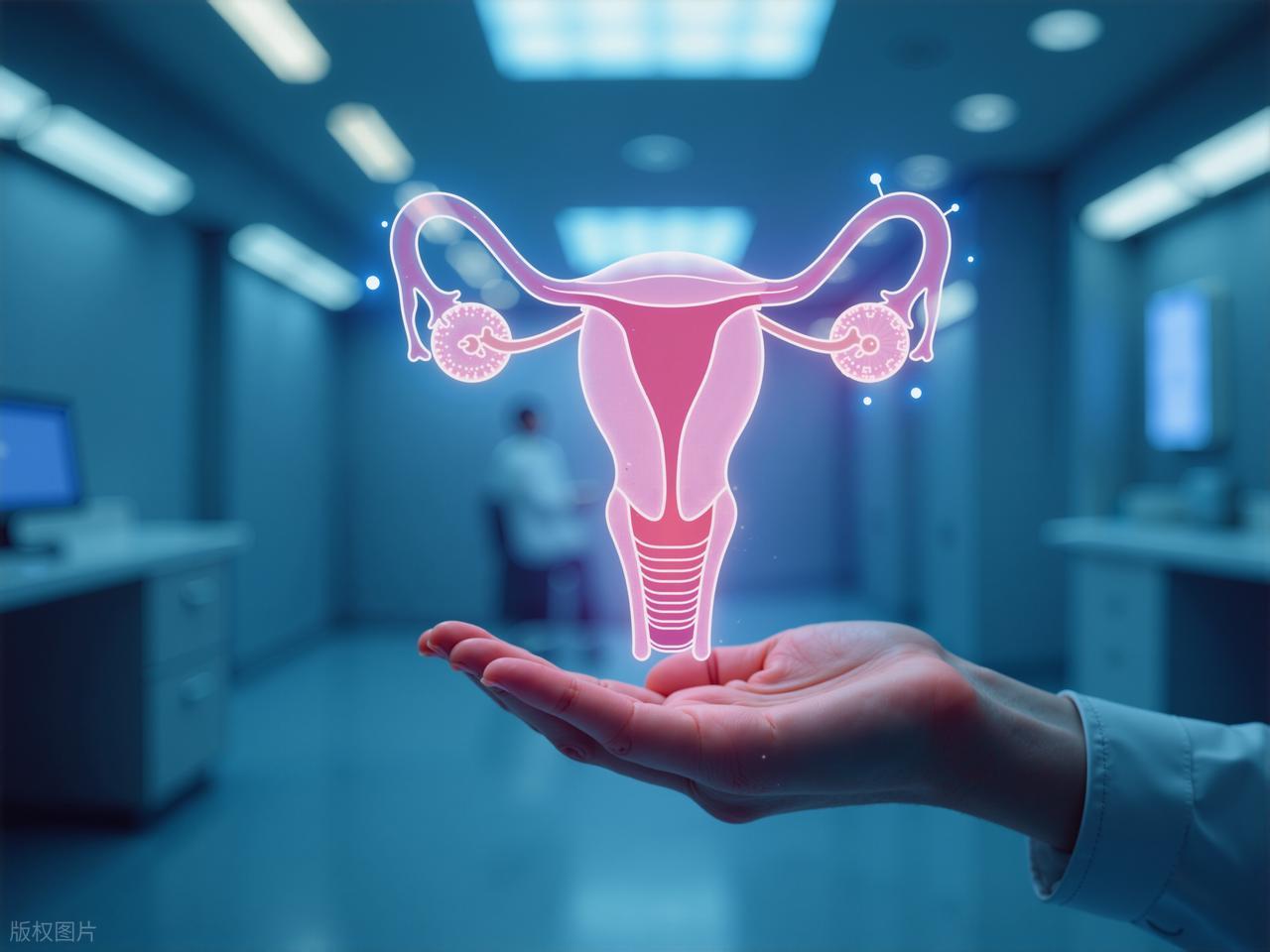
The doctor will combine the results of these two examinations with the patient's clinical symptoms, such as abdominal obesity and menstrual irregularities, to make a comprehensive evaluation and establish a clear diagnosis. It is important to note that the diagnosis of polycystic ovary syndrome requires assessment by a medical professional; self-diagnosis based on a single symptom should be avoided to prevent misjudgment.
For polycystic ovary syndrome, early detection and intervention are crucial, and lifestyle adjustments serve as a fundamental and key intervention strategy.
Firstly, it is essential to control body weight. For abdominal obesity, a scientifically tailored weight loss plan should be developed to reduce abdominal fat through a balanced diet and regular exercise.
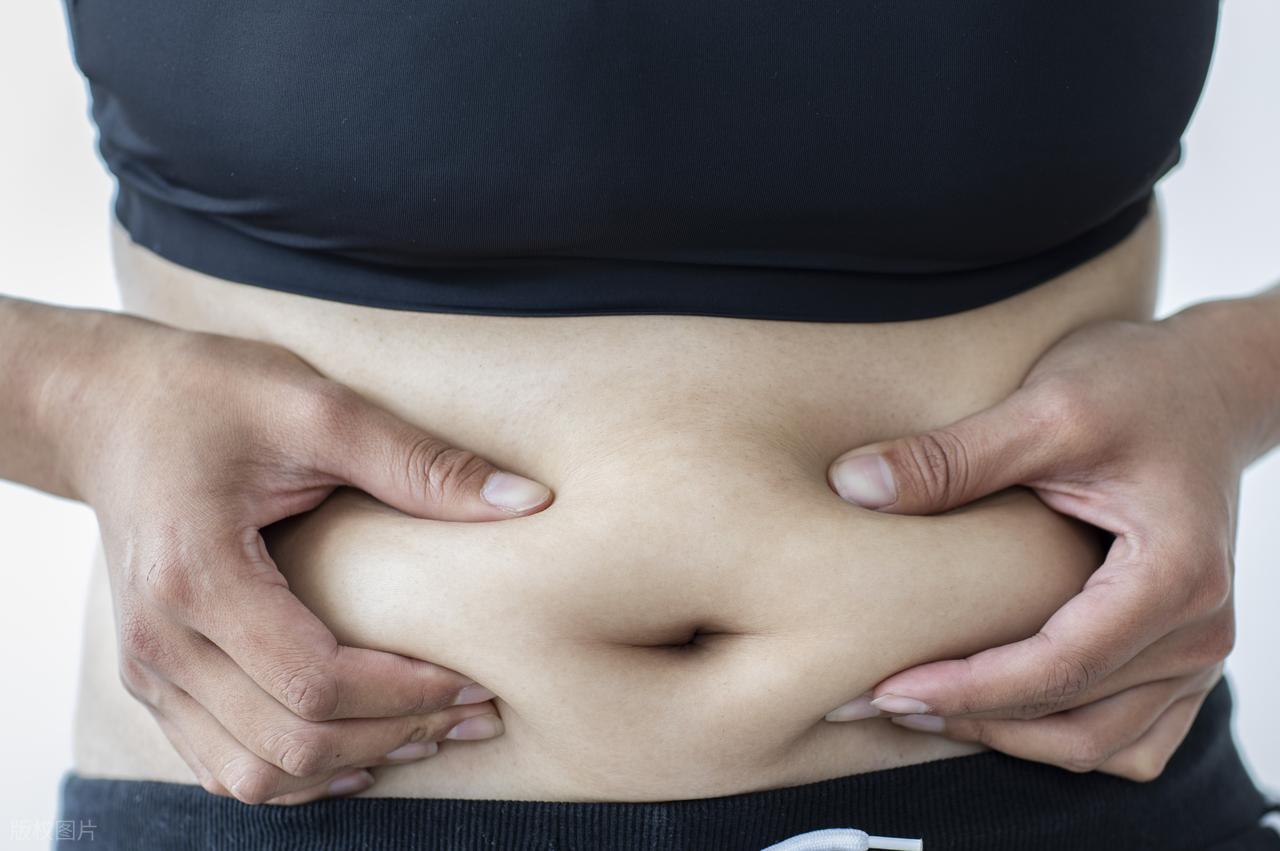
In terms of diet, it is important to reduce the intake of foods high in sugar, fat, and calories, while increasing the consumption of dietary fiber and high-quality protein.
For exercise, it is recommended to combine aerobic exercise with strength training, such as jogging, swimming, yoga, etc. Aim for at least 3–5 sessions per week, with each session lasting over 30 minutes. This can help reduce body fat while also improving insulin resistance.

Second, maintain a regular sleep schedule and avoid staying up late. Prolonged sleep deprivation can further exacerbate endocrine disorders and hinder disease recovery.
In addition, regulating emotions is also important. Chronic excessive stress can also affect endocrine function. Maintaining a good mindset helps sustain endocrine stability.
For patients with more severe symptoms, medical treatment under a doctor's guidance is required. Medication is used to regulate hormone levels, promote ovulation, and improve symptoms.

Many women, due to a lack of understanding of PCOS, mistake abdominal weight gain for ordinary weight gain and attribute menstrual irregularities to "normal signs of aging," thereby delaying timely intervention.
If PCOS is left unaddressed for a long period, it not only affects fertility, leading to infertility, but also increases the risk of developing type 2 diabetes, cardiovascular diseases, endometrial cancer, and other conditions, posing significant harm to health.

Therefore, women over the age of 30 must pay close attention to changes in their bodies, particularly fluctuations in abdominal weight and menstrual patterns. If any abnormalities arise, seeking timely medical examination for early detection and intervention can effectively reduce the harm caused by potential diseases.