Can HPV Infection Clear After Menopause? Doctor: Yes! Follow These 3 Tips, Most Can Clear Within 1-2 Years
Many postmenopausal women panic upon discovering an HPV infection. In fact, it is possible for the infection to clear. Most cases can clear within 1-2 years by following these 3 key measures.
HPV, or human papillomavirus, is primarily spread through sexual contact. Persistent infection with high-risk HPV types is the leading cause of cervical cancer.
Postmenopausal women often experience greater anxiety than younger women upon discovering an HPV infection, worrying that their advanced age and declining physical functions may prevent the virus from clearing.

This concern is somewhat reasonable, as postmenopausal women experience ovarian function decline and a significant drop in estrogen levels, and estrogen is crucial for maintaining the health of cervical epithelial cells.
Estrogen deficiency can lead to weakened repair capacity of cervical epithelial cells and relatively reduced immunity, which indeed makes it more difficult and time-consuming for HPV to clear.
However, this does not mean that HPV cannot clear after menopause. Clinical data show that with appropriate scientific interventions, most postmenopausal women with HPV infection can achieve viral clearance within 1–2 years.

To achieve HPV clearance, the primary task is to enhance one's own immunity, which is the most crucial means of eliminating the HPV virus.
The clearance of the HPV virus primarily relies on the human immune system, particularly cellular immunity.
Postmenopausal women can improve their immunity by focusing on three aspects: diet, exercise, and sleep.
In terms of diet, it is essential to ensure adequate protein intake, as protein forms the foundation of immune cells and antibodies. Include foods such as eggs, milk, lean meat, and soy products in your diet.

Simultaneously supplement with fresh fruits and vegetables rich in vitamins and minerals, such as broccoli, spinach, apples, and oranges, as these nutrients participate in the metabolism of immune cells and enhance immune function.
In terms of exercise, choose moderate-intensity activities that suit you, such as brisk walking, tai chi, or square dancing. Persist in exercising 3-5 times per week, about 30 minutes each time. Exercise promotes blood circulation and enhances the activity of immune cells.

In terms of sleep, ensure 7-8 hours of high-quality sleep each day, as this period is crucial for the immune system's repair and adjustment. Chronic sleep deprivation can significantly impair immune function.
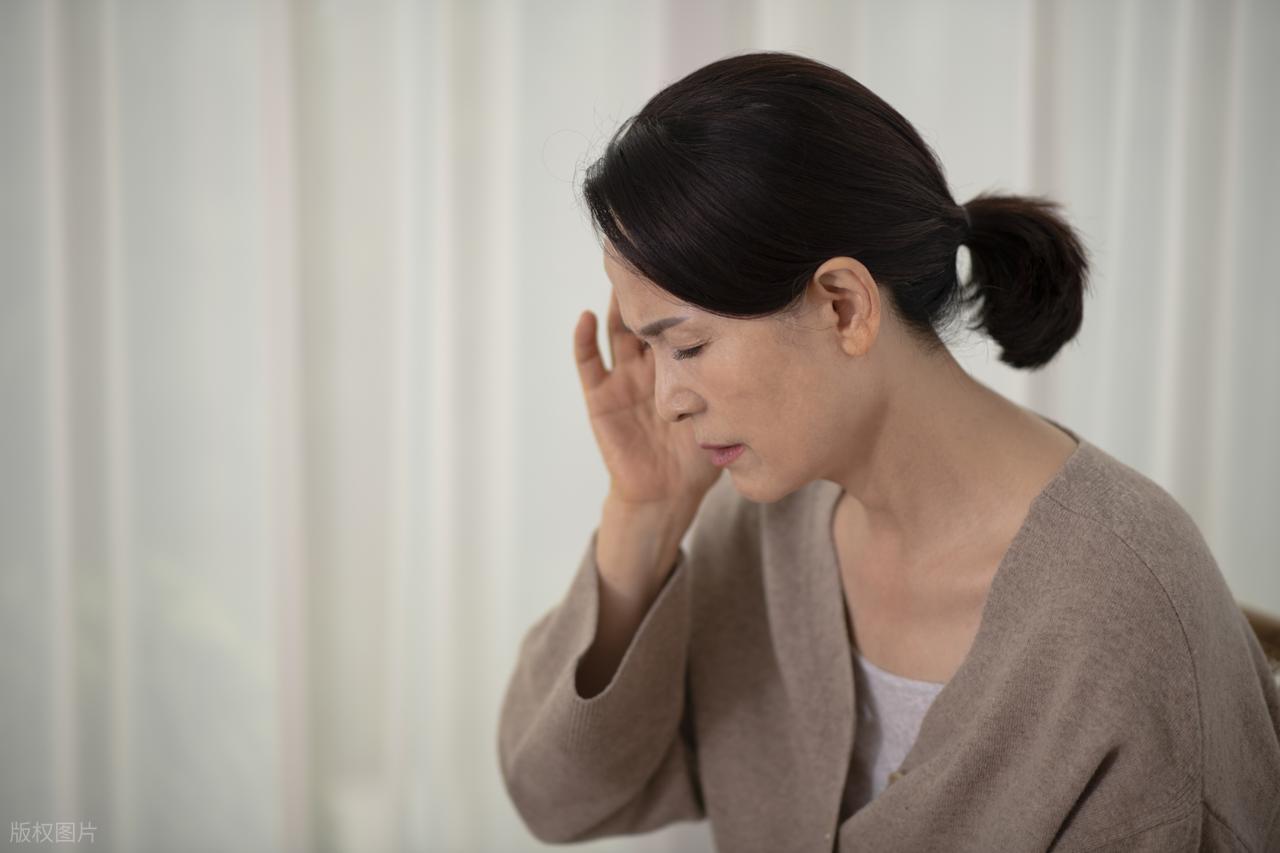
For mild lesions, topical medication can be used under medical guidance to assist in virus clearance.

If the lesions are more severe, timely intervention such as surgery is necessary to prevent disease progression.
Additionally, maintain personal hygiene, keep the vulva clean, avoid unclean sexual practices, and reduce cervical irritation and the risk of secondary infection.
Lastly, strictly adhere to the doctor's instructions for standardized intervention, and avoid self-medication or blindly trying folk remedies.
Some postmenopausal women, after detecting HPV infection, may readily believe in "specific drugs for clearance" found in folk remedies or advertisements. Not only are these unable to clear the virus, but they may also delay the condition.

Each individual's physical condition, the HPV subtype infected, and the viral load are different, and the suitable intervention plan also varies.
Doctors will formulate personalized intervention plans based on specific circumstances. If the viral load is high or the infection persists for a long time, they may recommend the use of local immunomodulators. These drugs can stimulate the immune response in the local cervical area, aiding in clearing the virus.
During the medication process, it is essential to use the medication strictly according to the doctor's instructions, taking it on time and in the prescribed dosage. Do not increase or decrease the dose or stop the medication without authorization.
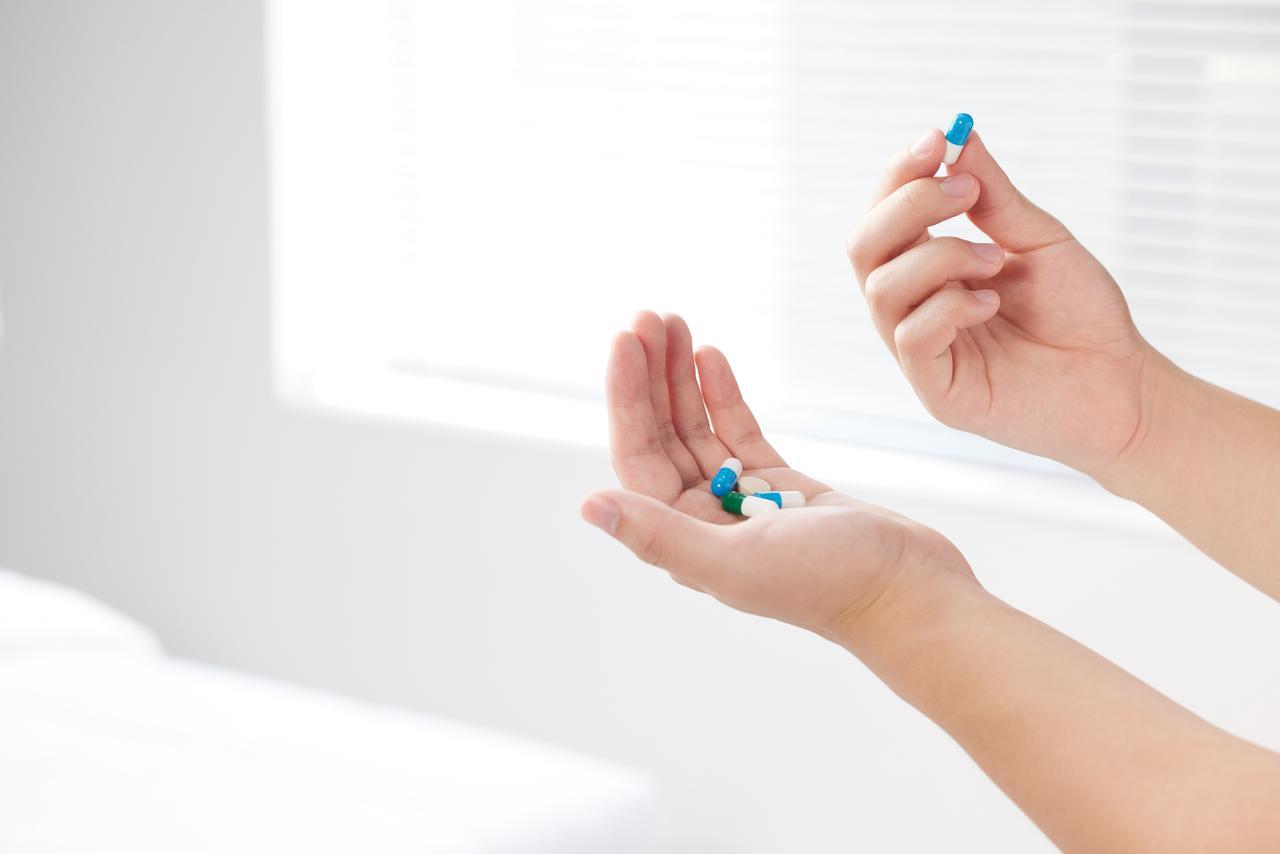
Additionally, actively communicate with the doctor about your reactions to the medication and your physical condition so that the doctor can adjust the treatment plan in a timely manner.
It is particularly important to remind postmenopausal women infected with HPV to avoid two extreme attitudes: one is excessive anxiety, as anxiety can affect immunity through the neuroendocrine system, which is detrimental to virus clearance;
Another approach is blind optimism, believing that if there are no discomforting symptoms, there’s no need to take action. This neglect of regular check-ups and intervention may lead to persistent infection and increase the risk of cervical lesions.
The correct approach is to maintain a balanced mindset, actively adopt scientific intervention measures, undergo regular check-ups, and closely monitor changes in the condition.