Gynecologist: 5 Clear Signs of Estrogen Deficiency in Women, Only 3 Things Needed for Improvement
The body will sound an alarm when a woman has insufficient estrogen. 5 signs are quite obvious, and improvement can be achieved by doing just 3 things.
Estrogen is a crucial hormone in a woman's body, regulating multiple physiological functions such as reproductive system development, maintaining skin condition, and bone health.

As we age, especially as we approach perimenopause, ovarian function declines, leading to a gradual decrease in estrogen secretion.
Additionally, poor lifestyle habits such as chronic stress, irregular sleep patterns, and excessive dieting can also cause a decline in estrogen levels.
Insufficient estrogen can bring about a series of noticeable changes in the body. Timely detection of these signals and taking improvement measures are crucial for women's health.
The first clear signal of insufficient estrogen is a deterioration in skin condition.
Estrogen promotes the synthesis of collagen in the skin, maintaining its elasticity and moisture levels.
When estrogen is insufficient, the loss of skin collagen accelerates, causing the skin to become loose, dry, and lose its former radiance. Wrinkles also increase accordingly, with fine lines around the eyes and forehead becoming particularly noticeable.
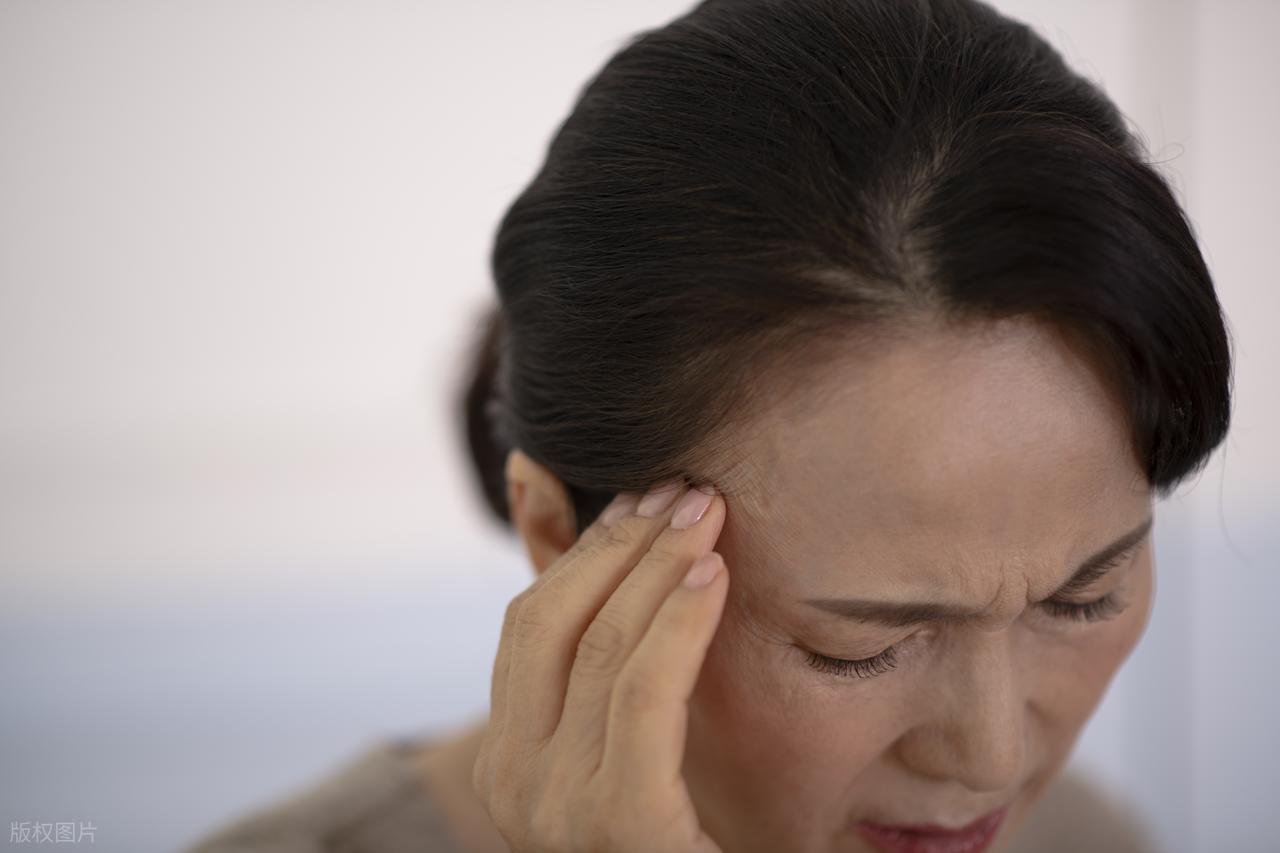
At the same time, the skin’s metabolism slows down, making melanin more likely to deposit, potentially leading to issues such as age spots and dullness. Using skincare products alone can hardly improve these problems fundamentally.
Menstrual irregularities are one of the most direct signs of estrogen deficiency.

Estrogen plays a central role in regulating the female menstrual cycle and promotes the proliferation of the endometrium.
When estrogen levels decline, the proliferation and shedding of the endometrium lose their regularity, leading to menstrual cycle disturbances. This may result in longer or shorter cycles, increased or decreased menstrual flow, and some women may experience prolonged periods or aggravated menstrual pain.
If a previously regular menstrual cycle suddenly becomes irregular, and factors such as pregnancy have been ruled out, it is important to be alert to the possibility of insufficient estrogen.
The third signal is hot flashes and night sweats, a symptom particularly common among perimenopausal women.
Estrogen deficiency can affect the function of the body's thermoregulatory center, leading to autonomic nervous system dysfunction, resulting in sudden sensations of heat that spread from the chest to the face and neck, accompanied by facial flushing and sweating. These symptoms usually last for a few minutes before subsiding. When they occur at night, they can cause night sweats, severely affecting sleep quality.
Persistent poor sleep can further exacerbate other physical discomforts, creating a vicious cycle.
Mood swings are also closely related to estrogen deficiency.

Estrogen can affect the secretion of neurotransmitters in the brain, such as serotonin and dopamine, which play an important role in emotional regulation.
When estrogen levels decline, the balance of neurotransmitters is disrupted, making women prone to emotional instability, manifesting as irritability, anxiety, depression, and restlessness, which negatively impact daily life and interpersonal relationships.

Many women may mistakenly attribute these symptoms to excessive psychological stress, overlooking the physiological cause of insufficient estrogen.
The fifth signal is discomfort in the bones and joints.
Estrogen inhibits the activity of osteoclasts, promotes calcium absorption, and maintains bone density.
When estrogen is insufficient, osteoclast activity increases, bone loss accelerates, and osteoporosis can easily occur, leading to symptoms such as joint pain, lower back pain, and soreness, especially when climbing stairs, bending over, or lifting heavy objects.

Without timely intervention, the continuous loss of bone mass significantly increases the risk of fractures.
To improve estrogen deficiency, the first step is to adjust the diet and supplement with nutrients that aid estrogen synthesis through food.
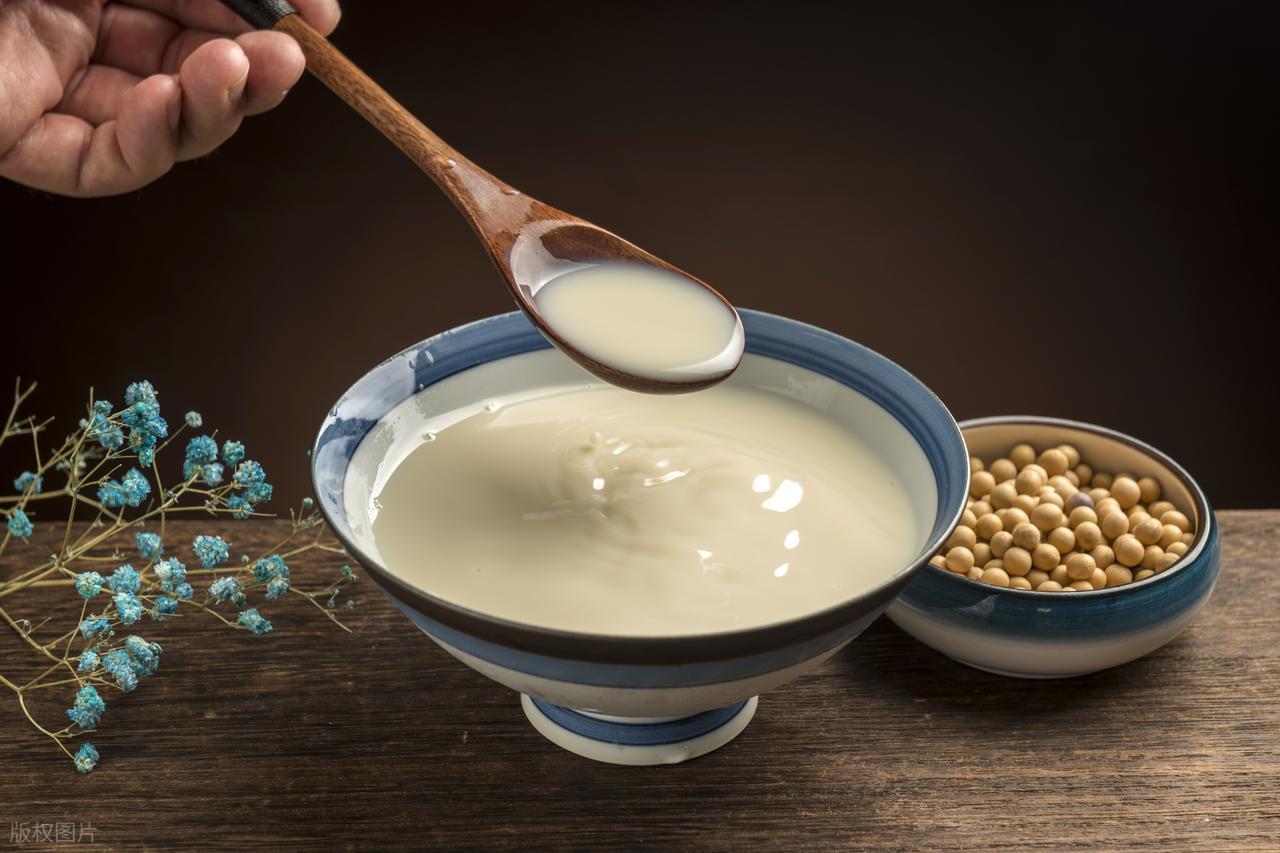
It is recommended to consume more foods rich in phytoestrogens, such as soybeans and soy products (tofu, soy milk, dried bean curd sticks, etc.). Phytoestrogens can function similarly to estrogen in the body, helping to regulate estrogen levels.
Meanwhile, ensure the intake of high-quality protein, vitamins, and minerals, such as eggs, milk, lean meat, and fresh fruits and vegetables, to provide ample raw materials for the body’s hormone synthesis.
Avoid excessive dieting and minimize the consumption of foods high in oil, sugar, and salt, as these can affect the body's metabolic functions and are detrimental to hormonal balance.

Secondly, maintaining healthy lifestyle habits is crucial for regulating estrogen levels.
A regular routine is fundamental. Ensure 7-8 hours of high-quality sleep each day and avoid staying up late, as nighttime is a critical period for hormone secretion and bodily repair.
Maintain regular moderate exercise, such as yoga, jogging, swimming, etc., for 3-5 sessions per week, about 30 minutes each time. Exercise promotes blood circulation, regulates the endocrine system, and helps maintain stable estrogen levels.

Additionally, learn to manage stress, as prolonged mental tension can inhibit estrogen secretion through the neuroendocrine system. Release stress by listening to music, traveling, or communicating with friends to maintain a relaxed and happy mood.
Finally, seek professional medical intervention when necessary.
If the symptoms of estrogen deficiency are severe and show little improvement after lifestyle adjustments, it is essential to consult a doctor promptly. Under the guidance of a physician, tests such as the six-item sex hormone panel should be conducted to determine the extent of estrogen deficiency.
Based on the specific situation, the doctor will develop a personalized treatment plan, which may include hormone replacement therapy or other endocrine-regulating medications. However, it is crucial to strictly follow the doctor’s instructions when taking medication and avoid purchasing or using drugs without professional advice to prevent adverse reactions.