When the Uterus Feels Uncomfortable, the Body Often Gives 3 Signals; If None Are Present, It's Generally Considered Healthy
Uterine health is crucial to a woman's overall well-being. Be alert to these 3 signals and check yourself promptly.
The uterus is a unique female reproductive organ responsible for vital functions such as nurturing life and regulating endocrine activity. Its health directly affects a woman's physical health and quality of life.
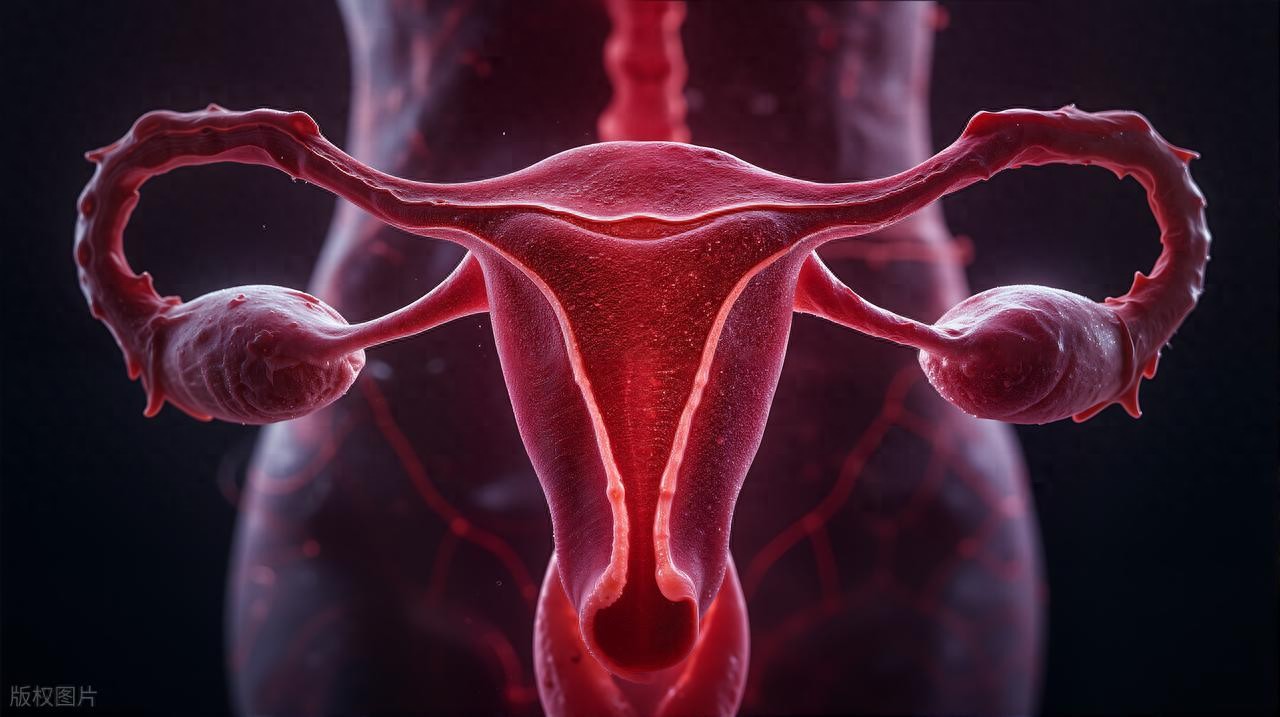
However, uterine health is often overlooked by women. In many cases, uterine discomfort may arise, but signals are not detected in time, delaying proper care or treatment.
In fact, when the uterus is uncomfortable, the body sends clear warning signals. With careful observation, these signs can be detected. Among them, three signals are the most typical. If none are present, it generally indicates good uterine health.
The first signal to watch for is irregularities in the menstrual cycle and menstrual flow.

Normally, a woman’s menstrual cycle is relatively regular, typically ranging from 21 to 35 days. Each period lasts between 3 and 7 days, with moderate flow and a dark red color.
When problems arise with the uterus, menstruation is often the first to sound the alarm.
For example, conditions like endometritis or uterine fibroids can lead to abnormal shedding of the endometrium, causing menstrual cycles to become irregular. This may result in periods that suddenly come more than seven days early or late, or even lead to amenorrhea.

At the same time, menstrual flow can change significantly. It may either suddenly increase to more than twice the usual amount, requiring frequent changes of sanitary products, or decrease noticeably, with only spotting.
Some women may also experience prolonged menstrual periods, where menstruation that normally lasts three days may continue for more than ten days.
Many women attribute menstrual abnormalities to external factors such as high stress and staying up late. While these factors can indeed affect menstruation, if menstrual abnormalities persist for 2 to 3 cycles, they must be taken seriously, as this could very likely be a sign of uterine discomfort.
The second typical signal is persistent pain or a feeling of heaviness in the lower abdomen.

The uterus is located in the central pelvic region of a woman's lower abdomen, and issues such as inflammation, fibroids, or ectopic conditions can lead to lower abdominal pain.
This type of pain differs from menstrual cramps, which typically occur before, during, or after menstruation and are of shorter duration. In contrast, discomfort caused by uterine issues often manifests as persistent pain or a frequent sensation of heaviness outside the menstrual cycle.
For instance, uterine myositis can lead to a dull pain in the lower abdomen, often accompanied by aching in the lumbosacral region.

When uterine fibroids grow large enough to compress surrounding tissues, they can cause a sensation of heaviness or fullness in the lower abdomen, which becomes more pronounced, especially after standing or exertion.
Endometriosis, on the other hand, can trigger intense lower abdominal pain, and in severe cases, it may interfere with normal walking and rest.
Many women dismiss this pain as ordinary "lower abdominal pain," assuming it will pass if they endure it for a while. Little do they know that this is the uterus sending out a distress signal to the body, and long-term neglect may lead to worsening of the condition.
The third easily overlooked signal is abnormal discharge.
Vaginal discharge is a secretion from the female reproductive tract, produced by glands in the cervix and endometrium, among others. Its characteristics can directly reflect the health of the reproductive system.

Normal vaginal discharge is transparent or milky white in color, with a thick texture, no noticeable odor, and slight variations in quantity according to the menstrual cycle.
When the uterus is uncomfortable, the quality and quantity of vaginal discharge will change.
If inflammation occurs in the uterus, vaginal discharge will significantly increase, possibly turning yellow or yellow-green, with a thin, pus-like consistency, accompanied by a noticeable fishy odor or foul smell.
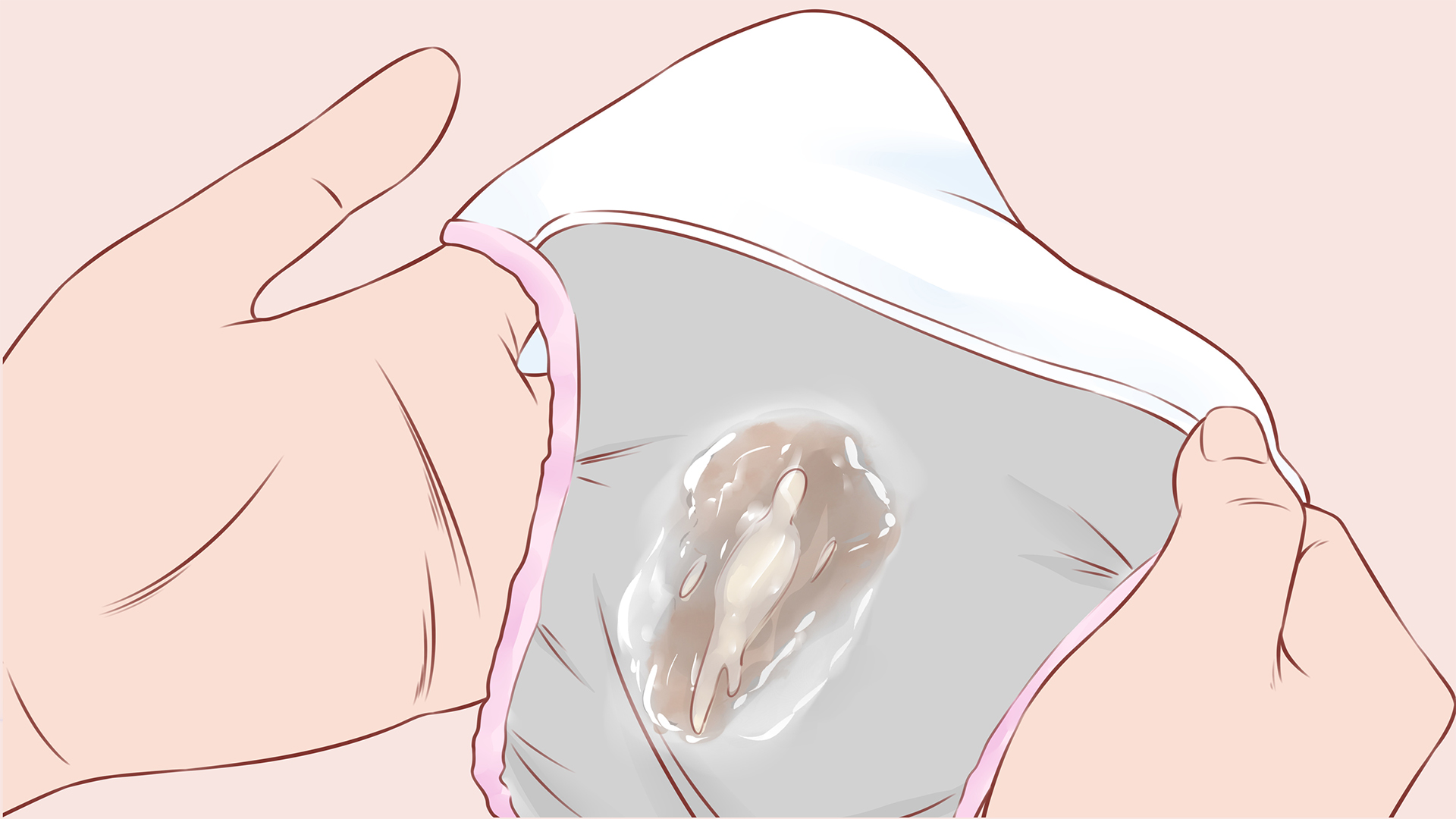
If serious issues such as cervical cancer are present, vaginal discharge may appear like rice water, mixed with blood streaks, and have a foul odor.
Many women, upon noticing abnormal vaginal discharge, self-diagnose it as "vaginitis" and take medication indiscriminately, unaware that the root cause may lie in the uterus. If abnormal vaginal discharge persists without relief, it is essential to seek medical attention promptly to investigate potential uterine issues.
To maintain uterine health, in addition to being vigilant about these three signals, daily prevention and care are crucial.
First, maintain good personal hygiene habits, especially during menstruation. Change sanitary pads frequently, avoid taking baths and having sexual intercourse during menstruation to prevent bacterial infections in the uterus.

Second, avoid frequent abortions. Abortions can cause severe damage to the uterine lining, increasing the risk of uterine inflammation and intrauterine adhesions, which in turn can affect uterine health.
Additionally, regular gynecological examinations are crucial for maintaining uterine health. Women who are sexually active are advised to undergo annual gynecological ultrasound scans and cervical screenings. This helps in the early detection of uterine abnormalities, allowing for timely diagnosis and treatment.
At the same time, maintaining a regular schedule and a balanced diet, while avoiding long-term late nights and excessive fatigue, can also provide a good health environment for the uterus.

Uterine health is the cornerstone of women's health. Do not ignore the warning signs from your body just because you find them "embarrassing to discuss."
Pay attention to changes in your menstrual cycle, abdominal pain, and vaginal discharge. Only through daily prevention and regular check-ups can you keep your uterus in a healthy state and build a strong line of defense for your body.