Gynecologist: Women Who Feel Cold Here Age Faster! Winter Warm-Up Recipes You Must Try
Many women often experience coldness in the waist and abdomen during winter, which may indicate uterine coldness! Gynecologists warn that uterine coldness can accelerate aging.
Uterine coldness is a common constitution issue in women, especially in winter when symptoms become more pronounced.
Many people think that "uterine coldness" is just a fear of cold that can be endured and will pass, but they don't realize that it not only affects daily comfort but also accelerates bodily aging and even impacts health.
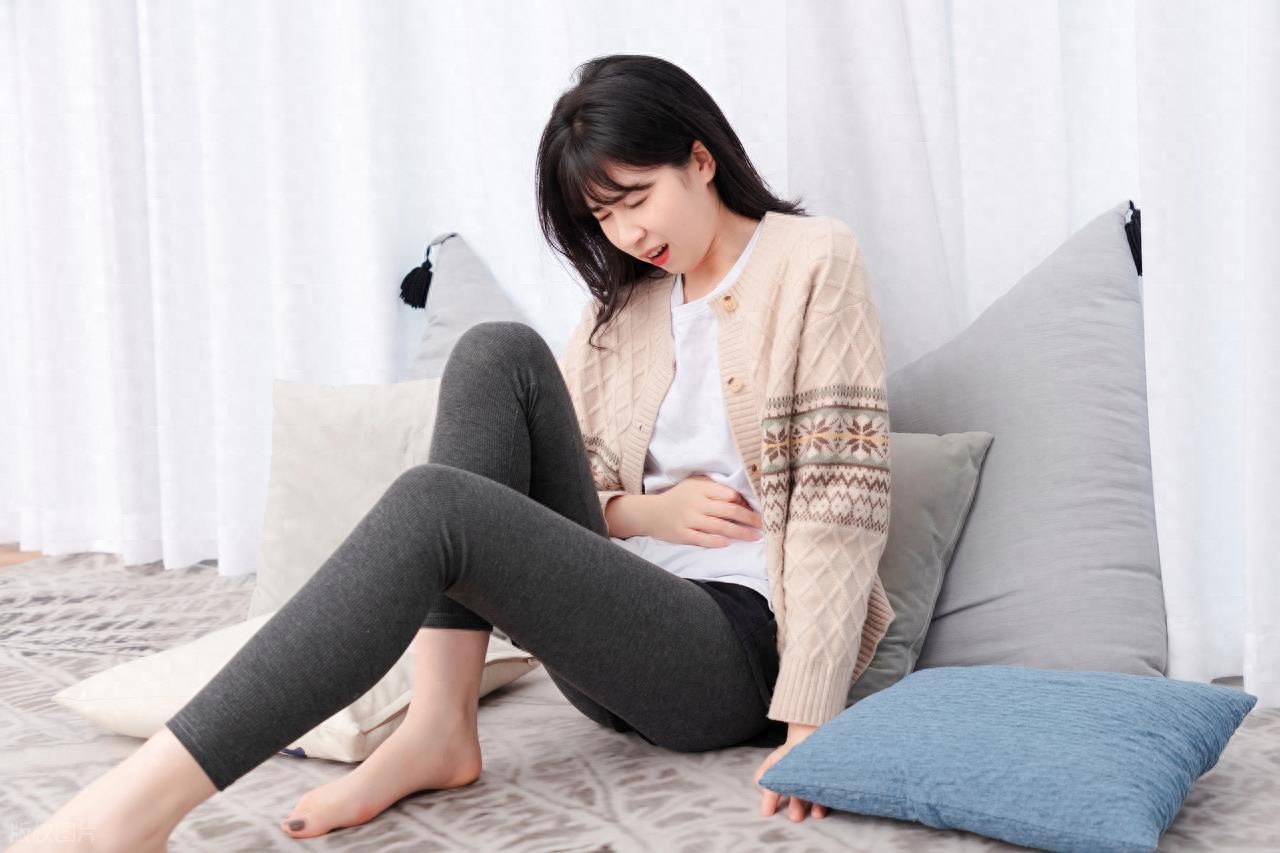
From the perspective of Traditional Chinese Medicine, the uterus is a crucial area for the circulation of Qi and blood in women. The essence of uterine coldness lies in insufficient Yang energy in the uterus, leading to poor circulation of Qi and blood.
The most direct impact of uterine coldness is the acceleration of skin aging.
Insufficient Yang energy in the uterus can prevent Qi and blood from adequately nourishing the face. Many women with uterine coldness may notice that their complexion appears pale and dull, with a tendency to develop spots, acne, and premature wrinkles around the eyes and mouth compared to women of the same age.

This is because when the flow of qi and blood is not smooth, the skin's metabolic rate slows down, melanin cannot be excreted in time, collagen synthesis is also affected, and the skin naturally loses its elasticity and luster.
At the same time, uterine coldness can also lead to endocrine disorders, imbalances in estrogen secretion, further exacerbating skin issues and making signs of aging more apparent.
In addition to affecting the skin, uterine coldness can also bring other health concerns.
For example, during menstruation, issues such as dysmenorrhea, scanty menstrual flow, dark-colored menstrual blood with clots may occur, and in severe cases, fertility can be affected.
In winter, women with uterine coldness tend to feel colder than others, especially in areas like the waist, abdomen, hands, and feet, which often remain icy. Even when sleeping at night, it's difficult to warm up the bed, leading to poor sleep quality, which in turn affects overall physical condition, creating a vicious cycle.
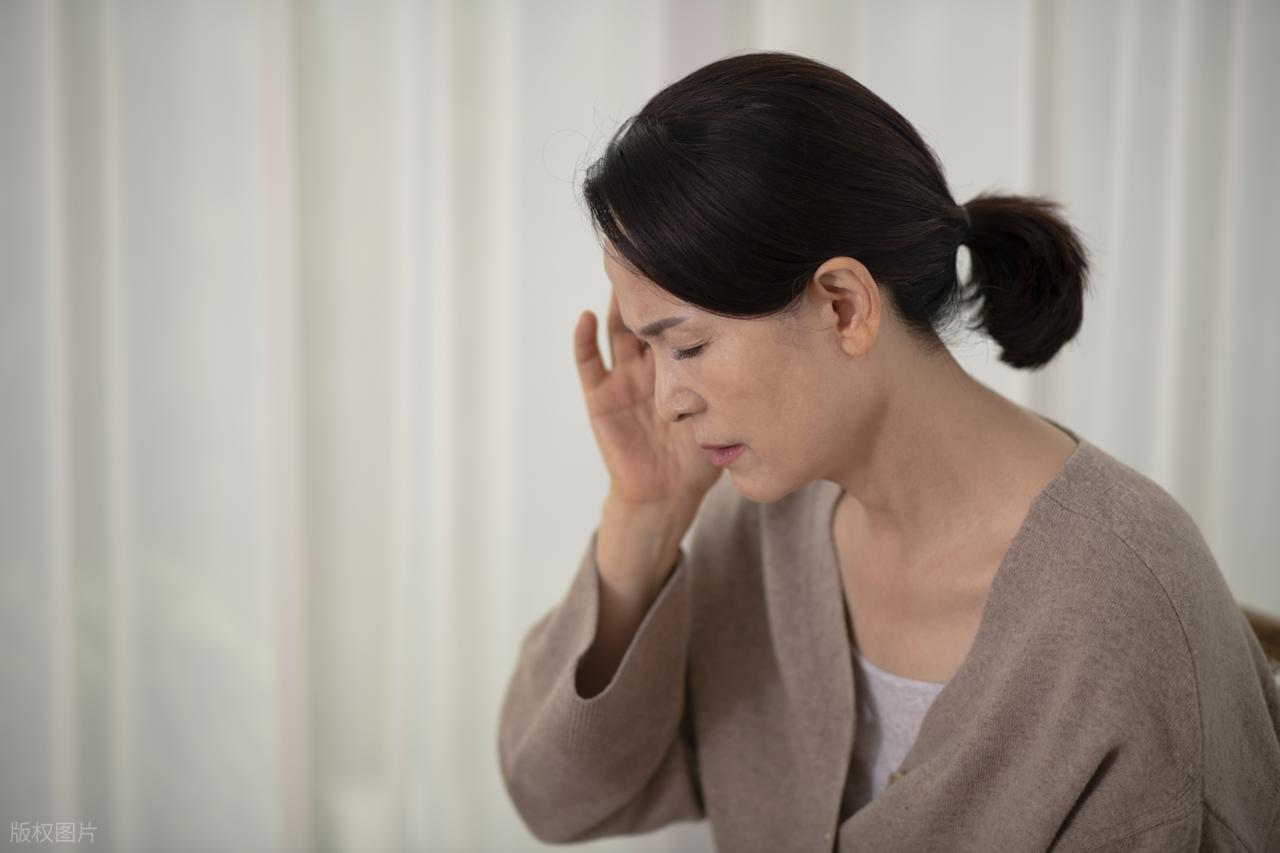
Therefore, improving uterine coldness is not only about delaying aging but is also key to maintaining women's health.
One of the safest and most effective ways to improve uterine coldness is dietary adjustment. Eating more warming foods after winter arrives can effectively replenish the body's yang energy in the uterus and improve blood circulation.
The first recommended warming dish is Angelica, Ginger, and Lamb Soup, a classic dietary remedy for warming the uterus.

First, cut the lamb into chunks, soak in clean water to remove blood, then blanch in boiling water to skim off scum
Wash and cut the angelica root into sections, slice the ginger, and remove the pits from the red dates.
Place the prepared mutton, angelica root, ginger, and red dates into a clay pot. Add enough water, bring to a boil over high heat, then reduce to low heat and simmer slowly for 1.5 hours. Finally, season with salt to taste.
Mutton has a warming nature and can tonify qi and blood while warming the spleen and stomach;
Angelica root can activate blood circulation, replenish blood, and regulate menstruation.
Ginger can expel cold and warm the stomach; the combination of these three effectively disperses uterine cold and replenishes qi and blood.
The second option is brown sugar ginger and jujube millet porridge, suitable for breakfast or a snack, simple to prepare, and beneficial for nourishing the stomach and warming the uterus.
Place millet, shredded ginger, and jujube pieces together into a pot, add sufficient water, bring to a boil over high heat, then reduce to low heat and simmer for 30 minutes until the millet blossoms and the porridge thickens. Finally, add brown sugar and stir until dissolved.
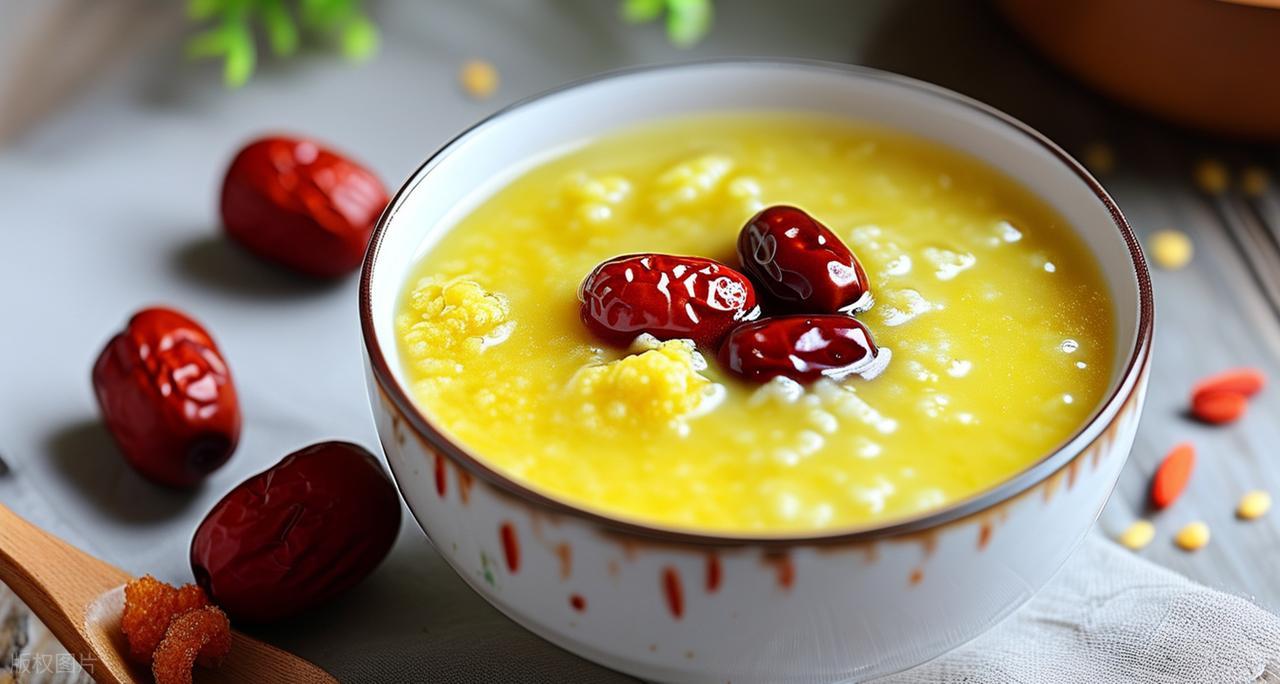
Millet can strengthen the spleen and nourish the stomach, providing the body with essential energy.
Ginger and brown sugar are both excellent for dispelling cold and warming the uterus, while red dates can replenish qi and blood. This congee is mild and easy to digest, and long-term consumption can effectively improve issues such as cold intolerance and cold hands and feet caused by uterine cold.
The third dish is stir-fried shrimp with longan and goji berries, which not only provides protein but also warms the uterus and nourishes the complexion.
Shrimp are mixed with cooking wine and starch and marinated for 10 minutes; goji berries are soaked in warm water until softened; ginger is minced.
Pour oil into a pan; once the oil is hot, add minced ginger and sauté until fragrant. Then, add the shrimp and stir-fry until they change color. Add dried longan flesh and soaked goji berries, and continue stir-frying for 2 minutes. Finally, season with salt.
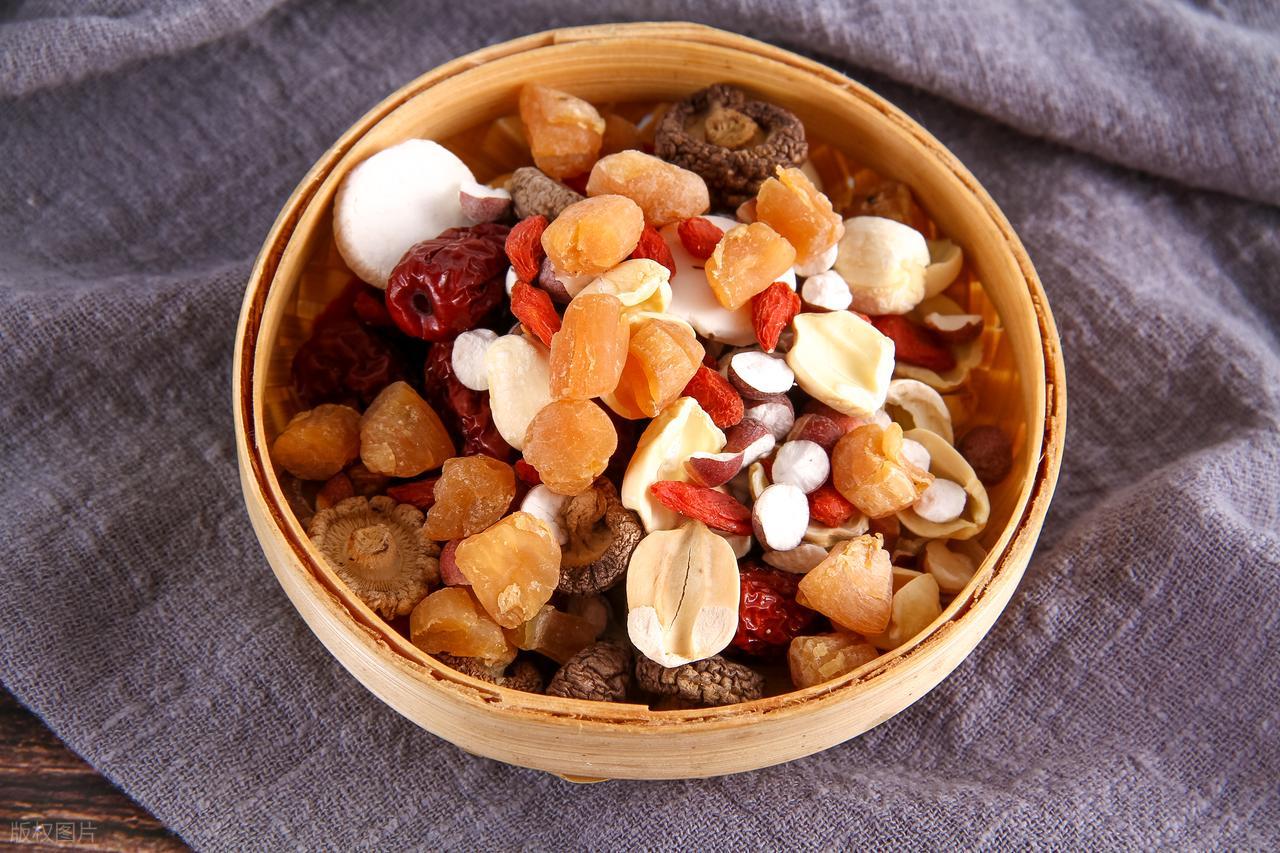
Shrimp are rich in high-quality protein, which can enhance the body's resistance.
Longan has warming properties, which can benefit the heart and spleen, nourish the blood, and calm the mind.
Goji berries nourish the liver and kidneys. The combination of these three ingredients can not only warm the uterus but also provide nutrients to the skin and delay aging.
In addition to these three recipes, women with uterine cold should also avoid consuming raw and cold foods after winter begins, such as ice-cold drinks, sashimi, and cold-natured fruits, as these can aggravate uterine cold.

At the same time, it is important to keep the waist and abdomen warm to avoid exposure to cold, and engage in appropriate exercises like brisk walking or yoga to promote pelvic blood circulation and help improve uterine cold.
It is important to note that dietary adjustments require long-term persistence to see results and should not be rushed.
If symptoms of uterine coldness are severe and affect normal life, seek medical attention promptly and follow standardized treatments under the guidance of a doctor.