Middle-Aged Women, These 5 Habits Are Harming Your Breasts!
Breast health is crucial for the overall well-being of middle-aged women, yet these 5 habits are quietly harming it—and many people are still practicing them.
The breast is an important physiological organ for women. During middle age, factors such as hormonal changes and slowed metabolism make breast health more vulnerable to threats.
However, many habits common among middle-aged women in daily life are subtly harming their breasts, yet they often go unnoticed.

Some of these habits are related to daily attire, others involve diet and exercise, and still others are connected to emotional management. Understanding and avoiding these habits is crucial for maintaining breast health.
The first common habit that can harm breasts is wearing ill-fitting bras for an extended period.
Many middle-aged women, for the sake of convenience or saving costs, wear ill-fitting or poor-quality bras, and some even go without bras for extended periods.
Underwear that is too small or tight can compress breast tissue, impair blood circulation and lymphatic drainage in the breast area, leading to ischemia and hypoxia in breast tissue. Over time, this may cause issues such as mammary hyperplasia;
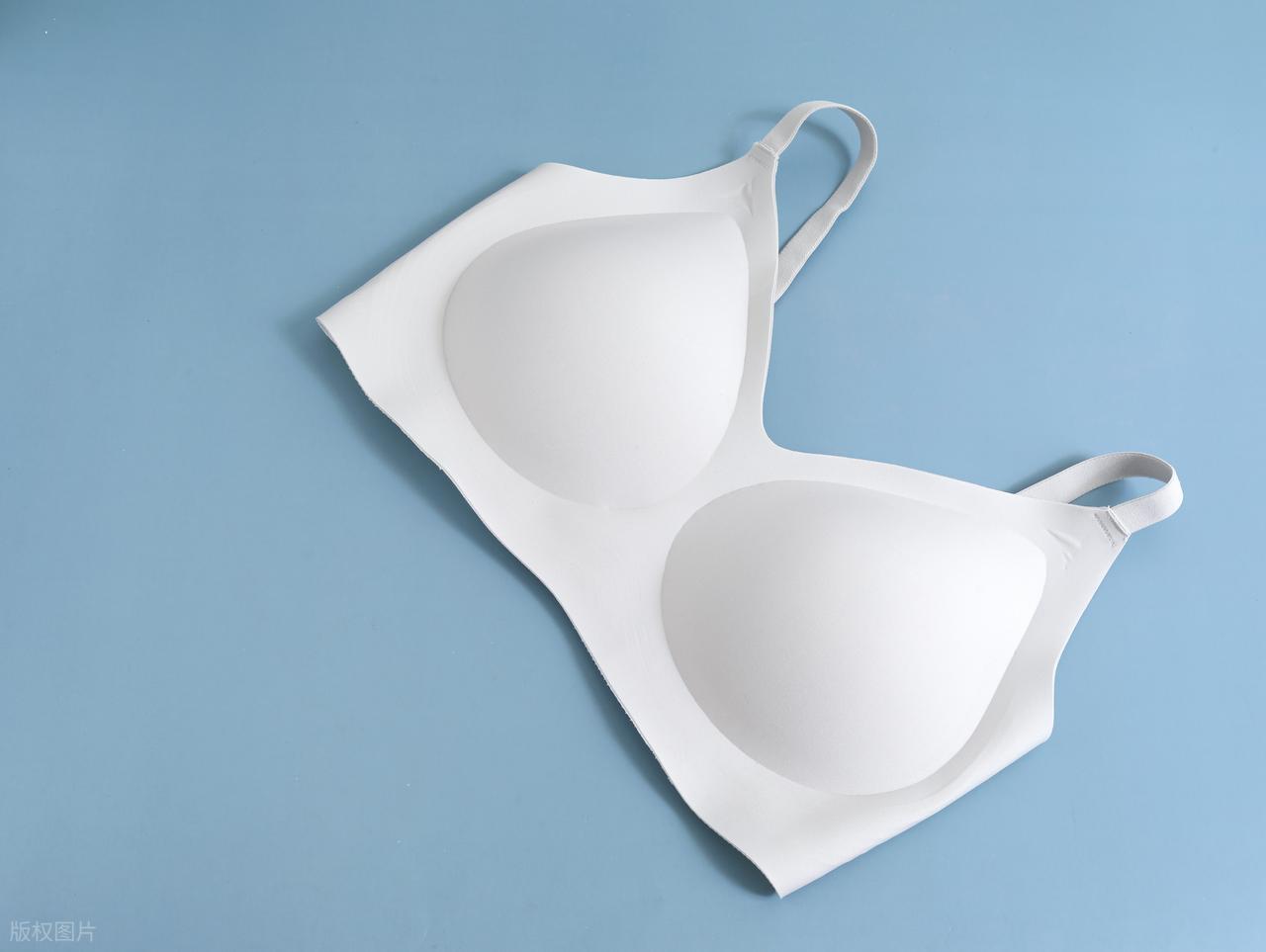
Conversely, underwear that is too large or not wearing underwear at all fails to provide adequate support, making the breasts more susceptible to jolting and stretching during daily activities. This increases the risk of breast sagging and damage to breast tissue.
When choosing underwear, opt for cotton materials that are appropriately sized and breathable based on your breast measurements. Avoid wearing underwear for extended periods each day and be sure to remove it before sleeping to allow the breasts to fully relax.
The second habit that harms the breasts is long-term emotional suppression or irritability.
Middle-aged women face multiple pressures from family and work, making them prone to emotional fluctuations. Prolonged states of depression, anxiety, or irritability can affect hormonal secretion in the body.
Traditional Chinese Medicine holds that "anger harms the liver" and "liver stagnation leads to qi stagnation," and breast health is closely related to liver qi stagnation.
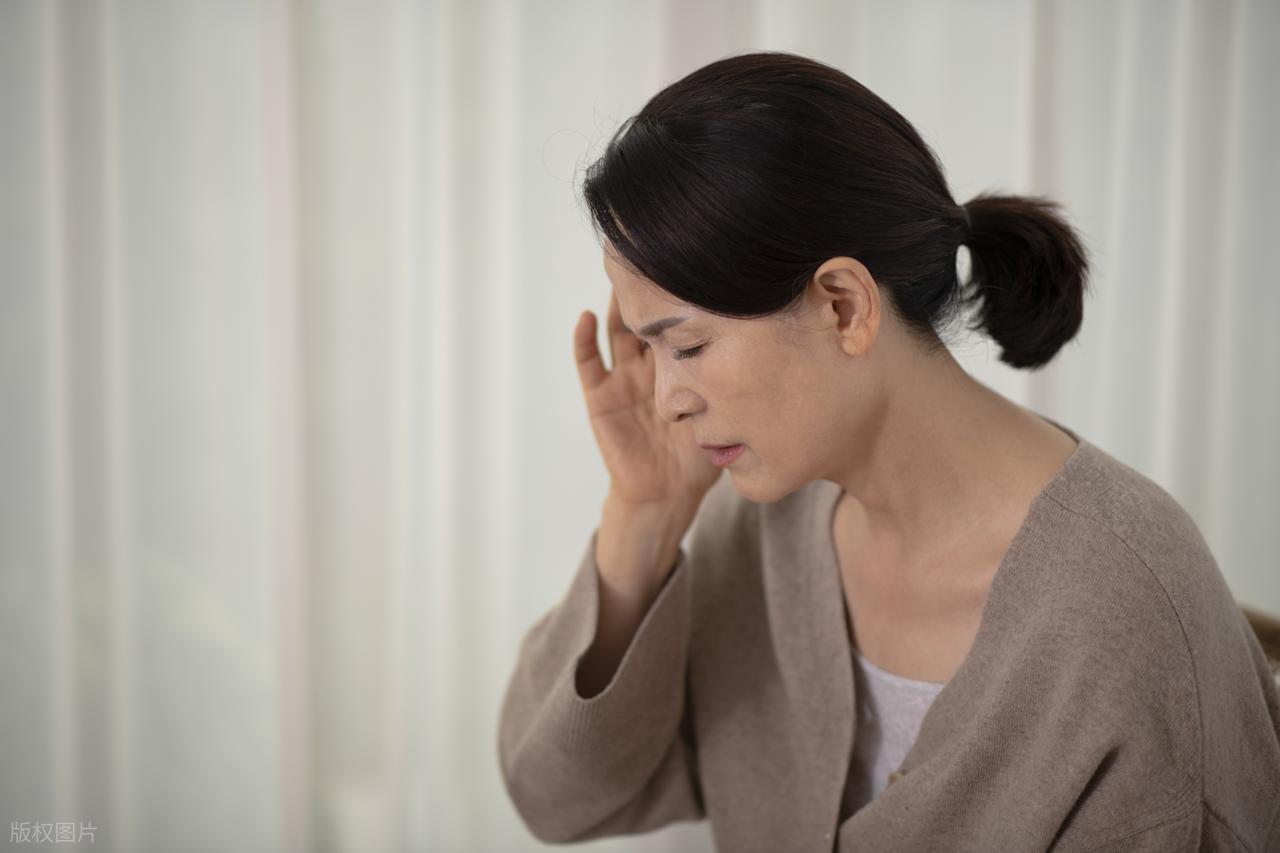
From the perspective of Western medicine, emotional fluctuations can lead to an imbalance in estrogen and progesterone secretion. An abnormal elevation in estrogen levels can stimulate breast tissue, increasing the risk of breast hyperplasia, breast nodules, and even breast cancer.
In daily life, it is important to learn how to regulate emotions, relieve stress through listening to music, walking, or communicating with friends, maintain a cheerful mood, and avoid long-term emotional exhaustion.
The third breast-harming habit is an unreasonable diet structure.
Many middle-aged women have problems with being picky or partial eaters—either consuming large amounts of high-fat, high-sugar foods over the long term, or excessively dieting to lose weight.
Long-term intake of high-fat foods can lead to fat accumulation in the body, affect hormone metabolism, relatively elevate estrogen levels, and stimulate breast tissue;

High-sugar foods can increase the body's inflammatory response, which is detrimental to breast health.
Excessive dieting can lead to malnutrition, depriving breast tissue of adequate nutrient supply, which may result in issues such as atrophy and sagging. Additionally, a weakened immune system increases the risk of developing breast-related diseases.
Maintain a balanced daily diet by consuming plenty of fresh vegetables, fruits, whole grains, and soy products, moderately intake high-quality protein, and reduce the consumption of high-fat and high-sugar foods.
The fourth habit that harms breast health is lack of exercise or improper exercise methods.
Long-term lack of exercise slows down the body's metabolism and impairs blood circulation, which also affects the blood supply to the breast area, hindering the metabolism of breast tissue and the elimination of harmful substances.
On the other hand, improper exercise can also harm the breasts, such as not wearing a sports bra during vigorous activities like running or jumping rope, which can subject the breasts to intense jolting

Engaging in overly vigorous chest exercises may potentially lead to strain in the breast tissue.
Middle-aged women should develop a habit of regular exercise, choosing gentle forms such as walking, yoga, and swimming. During exercise, it is essential to wear professional sports bras to provide adequate support for the breasts and avoid injury.
The fifth harmful habit is neglecting regular breast examinations.
Many middle-aged women believe they are in good health and have no breast discomfort, so they think breast examinations are unnecessary. This is a very dangerous misconception.
Early symptoms of breast diseases are often not obvious, especially in the case of breast cancer, which may initially manifest as small lumps or nipple discharge. If not detected through timely examinations, by the time obvious symptoms appear, the condition often progresses to an advanced stage, significantly increasing the difficulty of treatment.

Middle-aged women should prioritize regular breast examinations, undergoing breast ultrasound at least once a year. Those at high risk, such as individuals over 40 years of age or with a family history of breast cancer, should follow medical advice to include additional tests like mammography to achieve early detection, early diagnosis, and early treatment.
In addition to avoiding the five habits mentioned above, middle-aged women should also cultivate good lifestyle habits, avoid staying up late for extended periods, and ensure adequate sleep, as sleep deprivation can disrupt hormone secretion and metabolism, which is detrimental to breast health.
Furthermore, daily attention should be paid to maintaining breast cleanliness and avoiding breast injuries. When bathing, avoid using overly hot water to rinse the breasts for prolonged periods to prevent irritation of breast tissue.