Hard to Manage Female Cold Constitution? These 4 Points Are Key
Cold hands and feet, sensitivity to cold, and painful periods? Many women struggle with a cold constitution, but improvement is possible with proper management.
A cold constitution is very common among women, primarily manifesting as chronically cold hands and feet that are difficult to warm up even in a warm environment, with symptoms becoming more pronounced when the weather turns cool.

Menstrual periods often come with dysmenorrhea, menstrual blood appears dark in color and is accompanied by blood clots.
There is often a lack of energy, easy fatigue and weakness, and it may also be accompanied by symptoms such as poor appetite and loose stools.
The formation of cold constitution is related to various factors, including innate weak constitution, long-term consumption of cold foods, lack of exercise, prolonged exposure to cold environments, or frequent staying up late, all of which can lead to insufficient yang energy in the body, accumulation of cold, and subsequently trigger symptoms of cold constitution.
Cold constitution not only affects the quality of daily life but may also lead to issues such as irregular menstruation and uterine cold if ignored over the long term, affecting reproductive health. Therefore, timely regulation is very important.
To regulate cold constitution, dietary adjustment is fundamental.
First, reduce the intake of cold and raw foods, such as iced drinks, ice cream, sashimi, and cold salads. These foods can directly impair the body's yang energy and worsen the accumulation of cold.
It is advisable to consume more warm-natured foods in daily life. For staple foods, options like millet, glutinous rice, and oats can provide energy and help warm and nourish the spleen and stomach.

For meats, choices like lamb, beef, and chicken are recommended. Lamb, in particular, has a warm nature and is effective in dispelling cold and warming the body during winter, making it suitable for women with a cold constitution to consume regularly.
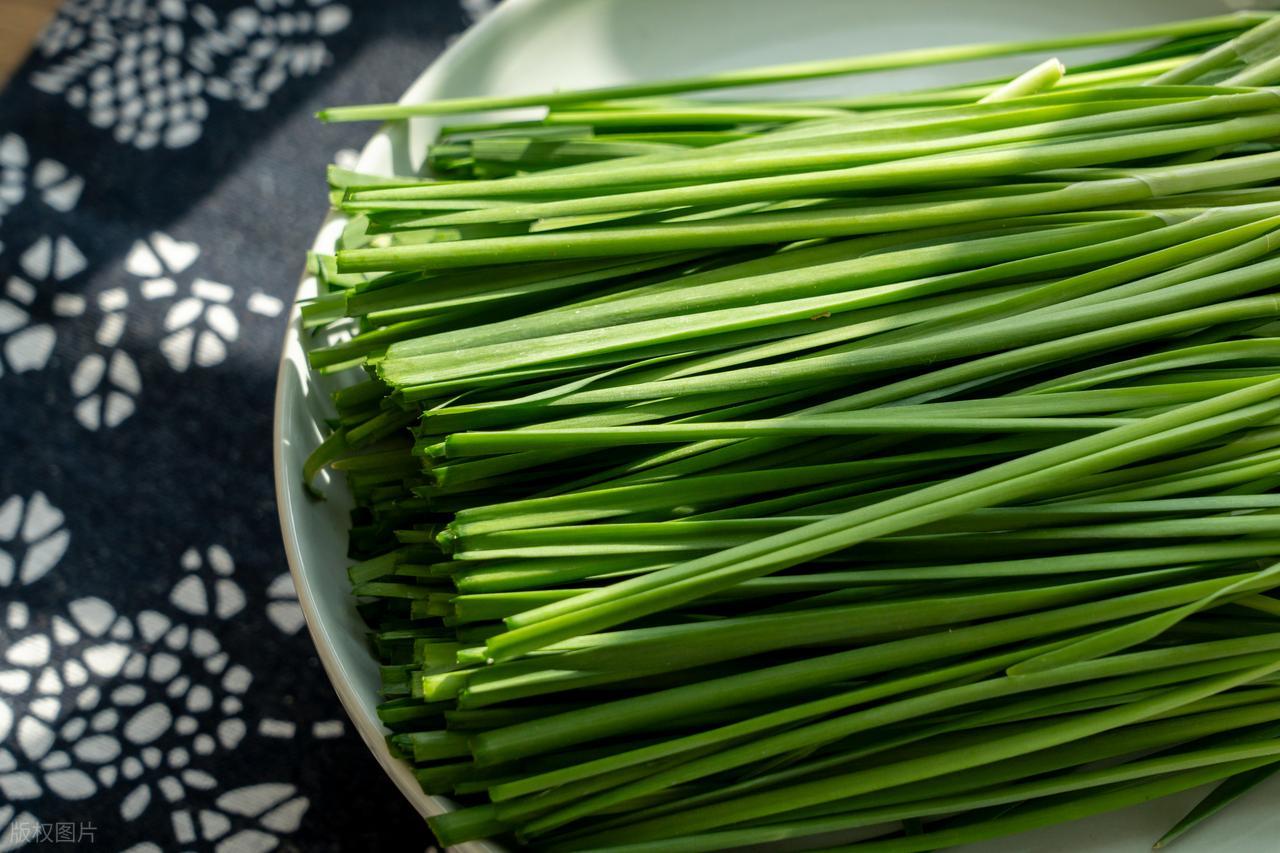
For vegetables, chives, ginger, garlic, pumpkin, and the like are all excellent choices. Ginger not only enhances flavor but also warms the middle and dispels cold. Drinking ginger water regularly or adding more ginger while cooking can be very helpful in improving a cold constitution.
In addition, you can consume warm-natured dried fruits such as longan, red dates, and walnuts in moderation. These help nourish the body while aiding in dispelling cold.
Maintaining a regular daily routine is crucial for improving a cold constitution.
Traditional Chinese Medicine believes that "when a person lies down, blood returns to the liver." Sufficient sleep helps the body restore yang energy. However, staying up late for prolonged periods can deplete yang energy within the body, thereby worsening a cold constitution.
Women with a cold constitution are advised to fall asleep before 11 p.m. each night, ensuring 7-8 hours of adequate sleep to allow sufficient time for the body to repair and nourish yang energy.

At the same time, it is important to maintain a warm sleeping environment and avoid catching a chill while sleeping. For example, avoid direct exposure to air conditioning or open windows, choose bedding of appropriate thickness, and pay special attention to keeping the abdomen and feet warm, as chilling these areas can easily allow cold to enter the body.
Persistent exercise is an effective method to alleviate cold constitution.
Exercise promotes blood circulation, accelerates metabolism, helps dispel internal cold, and simultaneously enhances physical constitution and boosts yang energy.
Women with cold constitution are advised to choose moderate forms of exercise, such as brisk walking, jogging, yoga, or tai chi. Avoid high-intensity workouts that cause excessive sweating, as this can deplete yang energy.

It is recommended to schedule exercise sessions in the morning or afternoon when sunlight is ample, allowing for better absorption of yang energy during activity. Aim for about 30 minutes per session, maintaining a frequency of 3 to 5 times per week.
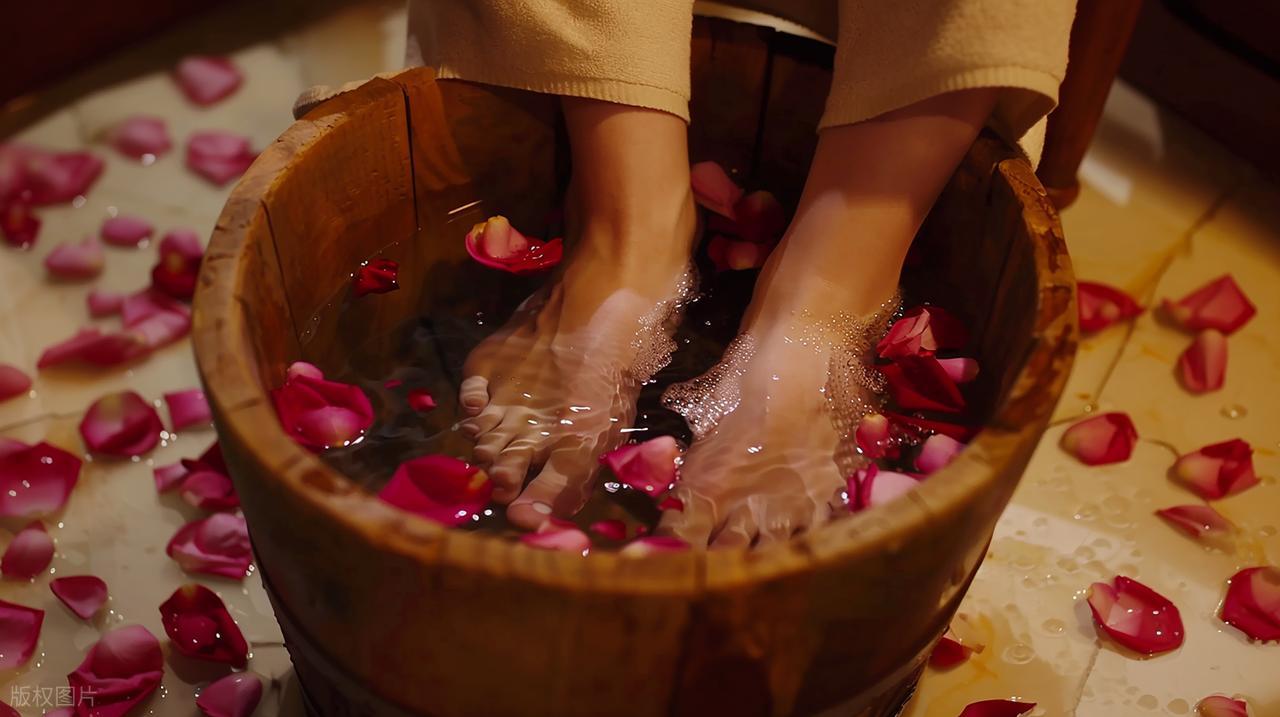
In addition, soaking your feet in hot water every night before bed can effectively dispel cold. The water temperature should be around 40℃, and soaking should last 15-20 minutes until you break into a light sweat. For enhanced cold-dispelling effects, you can add ginger or mugwort leaves to the water while soaking your feet.
Daily warmth preservation is crucial for preventing and alleviating cold constitution.
Many women, for the sake of appearance, still dress lightly when the weather turns cold, especially exposing their ankles, waist, and abdomen. These behaviors can allow cold to directly invade the body, worsening cold constitution.
Therefore, it is important to add clothing promptly according to weather changes in daily life, focusing on keeping the abdomen, waist, and feet warm. For example, wear long pants to cover the ankles, use scarves to protect the neck, and during menstruation, use a hot water bottle or heating pad on the abdomen to relieve menstrual pain while reducing the invasion of cold.

Additionally, avoid prolonged exposure to cold and damp environments. Pay attention to ventilation and warmth indoors, minimize going out during rainy weather, and if you must go out, take comprehensive measures to stay warm.
It is important to note that regulating a cold constitution is a long-term process that requires persistence to see results; one should not expect immediate outcomes.
At the same time, it is important to avoid the indiscriminate use of warming and tonifying medications or health supplements. If symptoms of cold constitution are severe—such as intense dysmenorrhea or significant menstrual irregularities—timely medical consultation should be sought, and regulation should be conducted under the guidance of a professional doctor.
Additionally, maintaining a positive mindset is crucial. Prolonged emotional distress and excessive stress can also affect the generation of the body's yang qi, exacerbating cold constitution. Daily activities such as listening to music or taking walks can help regulate emotions and maintain a pleasant mood.