Don't Ignore That Backache? Gynecologist: It Could Be Your Pelvis Crying for Help!
Many women dismiss lower back and hip pain as mere fatigue, when it might actually signal a pelvic issue. Learn to differentiate these warning signs.
Lower back and hip pain are common complaints among women, often attributed to prolonged sitting, overexertion, or lumbar spine problems. Many simply apply a medicated patch or rest briefly and carry on.
However, gynecologists caution that for women, recurrent lower back pain is likely a distress signal from the pelvis, and ignoring it may allow the condition to worsen.
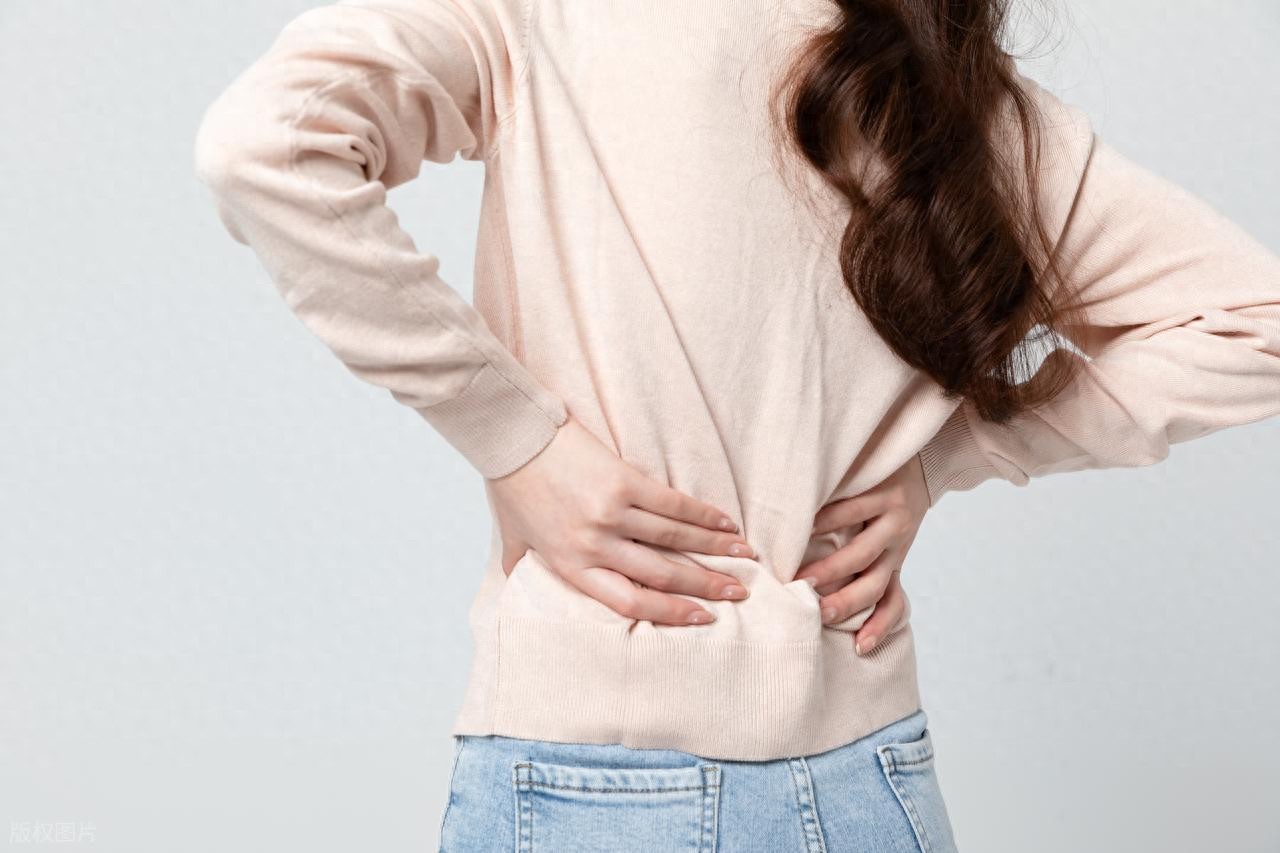
The pelvis is located in the lower abdomen and contains reproductive organs such as the uterus, fallopian tubes, and ovaries, as well as surrounding blood vessels, ligaments, and connective tissues. Pathological changes in these structures can transmit to the lower back via nerves, causing pain.
The most common cause of lower back pain is pelvic inflammatory disease.
When inflammation occurs in the pelvic organs or surrounding tissues, it causes pelvic congestion and edema, which compresses the surrounding nerves and ligaments. This pain radiates to the lower back, manifesting as soreness and a heavy, dragging sensation, particularly worsening after exertion, sexual activity, or around the menstrual period.
The pain is usually not a sharp stabbing sensation, but rather a persistent dull ache or dragging sensation, which may also be accompanied by symptoms such as lower abdominal pain, increased vaginal discharge, and an abnormal odor.
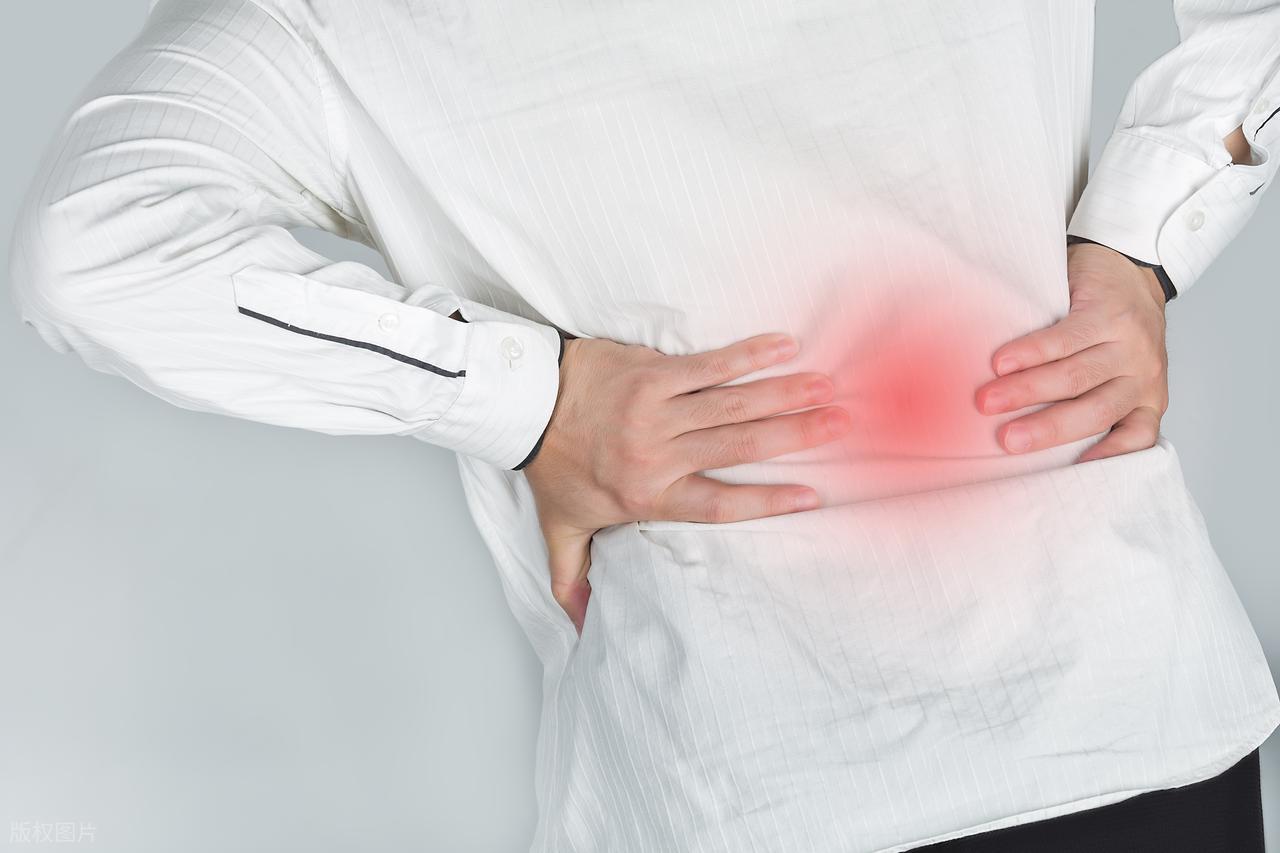
Many women treat this kind of backache as an "old problem," thinking it's okay to endure it, unaware that if pelvic inflammatory disease is not treated promptly, it can lead to fallopian tube adhesions, blockage, and even cause infertility.
Besides inflammation, uterine fibroids can also cause lower back pain.
Uterine fibroids are common benign tumors in women. When the fibroids are large in size or grow in special locations, such as submucosal fibroids growing outward from the uterus or intramural fibroids being excessively large, they can compress the nerves and surrounding tissues in the pelvic cavity, leading to lower back pain.
The degree of this soreness will worsen as the fibroids enlarge. If the fibroids twist, acute low back pain may occur, accompanied by symptoms such as nausea and vomiting.
Many women think that since fibroids are benign, they can be ignored. However, overly large fibroids can not only cause low back soreness but may also lead to menstrual abnormalities, anemia, and other problems, requiring timely intervention.
Endometriosis is also a common cause of low back and back pain.
Endometrial tissue grows outside the uterine cavity, such as in the ovaries or pelvic peritoneum. This ectopic endometrial tissue also bleeds during menstruation, irritating surrounding tissues and causing inflammation and adhesions, which in turn lead to low back pain.
This type of pain is distinctly cyclical, typically intensifying before the onset of menstruation and gradually subsiding after it ends. It may also be accompanied by symptoms such as dysmenorrhea, heavy menstrual bleeding, and dyspareunia.

Since the pain is related to the menstrual cycle, many women may mistakenly assume it's a normal symptom of menstrual cramps and overlook the underlying issue of endometriosis.
To determine whether back pain is related to pelvic issues, self-diagnosis alone is insufficient—scientific examination is key.
Common examinations include gynecological ultrasound, pelvic examination, and complete blood count, among others.
Gynecological ultrasound can clearly visualize the morphology of organs such as the uterus and ovaries, helping to identify conditions like fibroids, cysts, or fluid accumulation caused by inflammation.
During a pelvic examination, abnormalities such as tenderness or masses within the pelvis can be detected through palpation.
A complete blood count can detect the presence of inflammatory infections.

If recurring low back pain is accompanied by abnormal vaginal discharge, irregular menstruation, or lower abdominal discomfort, it is essential to promptly seek consultation at a gynecology department for a professional examination to clarify the cause.
Preventing low back pain caused by pelvic issues relies heavily on daily preventive measures.
Firstly, pay attention to personal hygiene, especially menstrual hygiene, change underwear frequently, avoid sexual intercourse during menstruation, and reduce the chances of bacterial infection.
Secondly, avoid prolonged sitting, stand up and move around periodically to promote pelvic blood circulation and reduce congestion;

Also pay attention to sexual hygiene, avoid multiple sexual partners, and reduce the risk of pelvic inflammatory disease.
For sexually active women, it is recommended to undergo routine gynecological check-ups annually to achieve early detection and early treatment.
Many women, due to insufficient understanding of pelvic health knowledge, mistakenly attribute low back pain and backaches caused by pelvic issues to common lumbar spine problems or fatigue, delaying the timing of treatment.
In fact, most pelvic diseases can achieve good outcomes as long as they are detected early and treated properly.
So, female friends, do not overlook recurring back pain and soreness, as it may be your body reminding you that your pelvis needs attention.