Menopausal Women: Eat This Way to Transition Through Menopause Smoothly!
Struggling with menopausal hot flashes and insomnia? Choosing the right foods can help. This dietary guide is worth keeping.
After entering menopause, a woman’s ovarian function gradually declines, estrogen levels drop, and the body may experience a series of discomforts such as hot flashes, night sweats, insomnia, mood swings, and bone aches.
In addition to necessary medical intervention, scientific dietary management is crucial for alleviating these symptoms.

A reasonable diet can supplement the body with essential nutrients, regulate endocrine function, alleviate discomfort, and help women navigate menopause smoothly.
Supplementing with high-quality protein is one of the key focuses of menopausal nutrition.
The decline in estrogen leads to reduced muscle mass and decreased skin elasticity. High-quality protein provides the raw materials for muscle synthesis, helps maintain muscle mass, aids in tissue repair, and enhances immunity.
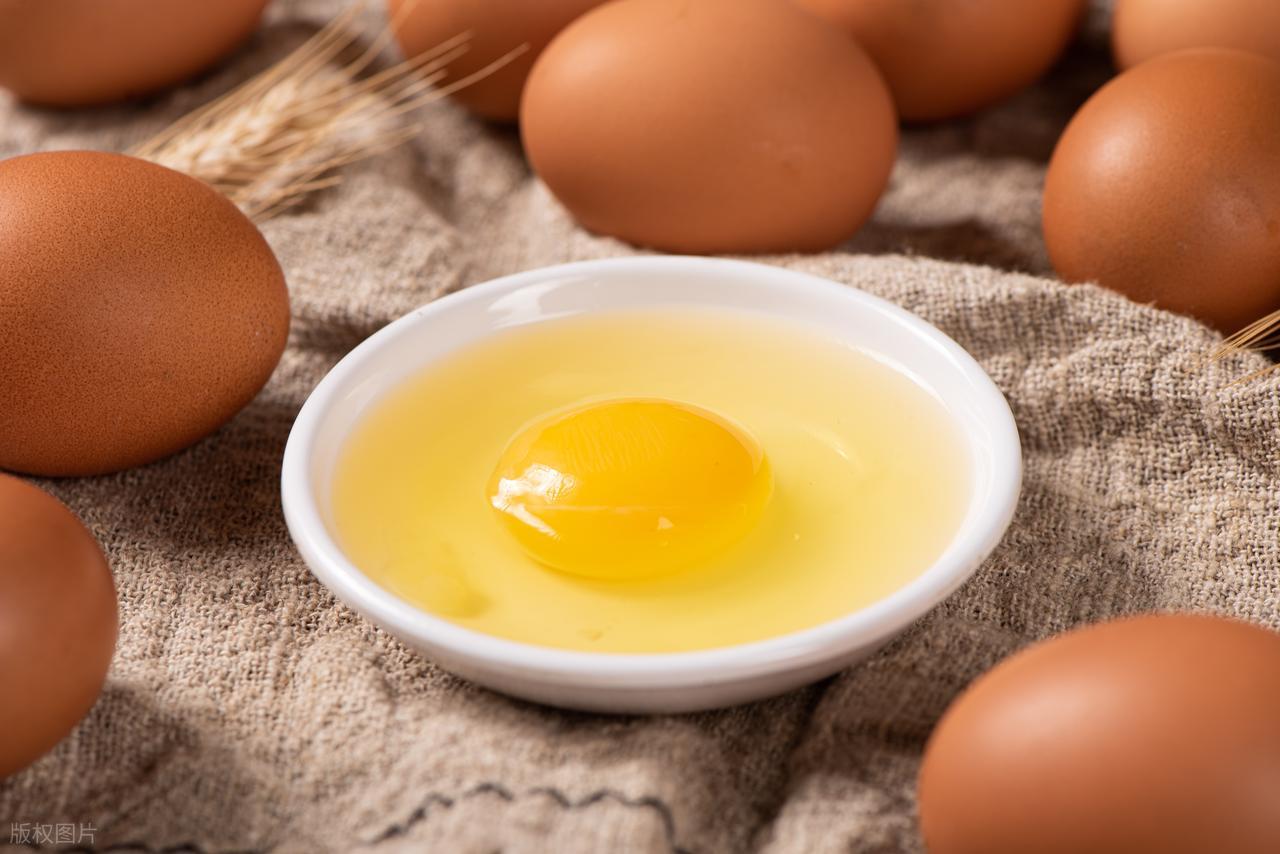
Common high-quality protein sources include fish, poultry, lean meat, eggs, dairy products, and soy products.
Among these, fish—especially deep-sea fish such as salmon and cod—are not only rich in protein but also contain omega-3 unsaturated fatty acids, which can regulate nervous system function and provide some relief for menopausal mood swings and insomnia.
Soy products contain phytoestrogens, which can help compensate for the decline in estrogen levels in women to some extent, alleviating symptoms such as hot flashes and night sweats. It is recommended to consume an appropriate amount daily, such as a glass of soy milk or a piece of tofu.
Adequate intake of calcium and vitamin D is crucial for preventing menopausal osteoporosis.
The decline in estrogen levels reduces calcium absorption and accelerates its loss, significantly increasing the risk of osteoporosis in women. Symptoms such as low back pain, leg cramps, and severe cases may lead to fractures.

Therefore, menopausal women must prioritize calcium supplementation, with a daily intake of at least 1000 mg.
Dairy products such as milk, yogurt, and cheese are the best sources of calcium, with high absorption rates.
Green leafy vegetables like spinach, rapeseed greens, and broccoli, as well as foods like sesame paste and dried small fish, are also rich in calcium.

At the same time, vitamin D promotes the absorption and utilization of calcium, and a deficiency in vitamin D can lead to reduced calcium absorption efficiency.
In addition to obtaining vitamin D from foods like egg yolks and liver, moderate sun exposure daily to allow the skin to synthesize vitamin D in sunlight is also a simple and effective method.
Eating plenty of fresh vegetables and fruits is also very beneficial for the health of menopausal women.
Vegetables and fruits are rich in vitamins, minerals, and dietary fiber. Vitamin C can enhance immunity, promote collagen synthesis, and improve skin condition.

B vitamins participate in the body's metabolism, helping to alleviate fatigue and mood swings.
Dietary fiber can promote intestinal peristalsis, prevent and improve constipation issues commonly seen during menopause. It also helps regulate blood sugar and lipid levels, reducing the risk of cardiovascular diseases.
While focusing on nutritional supplementation, women in menopause also need to pay attention to controlling total calorie intake to avoid weight gain.
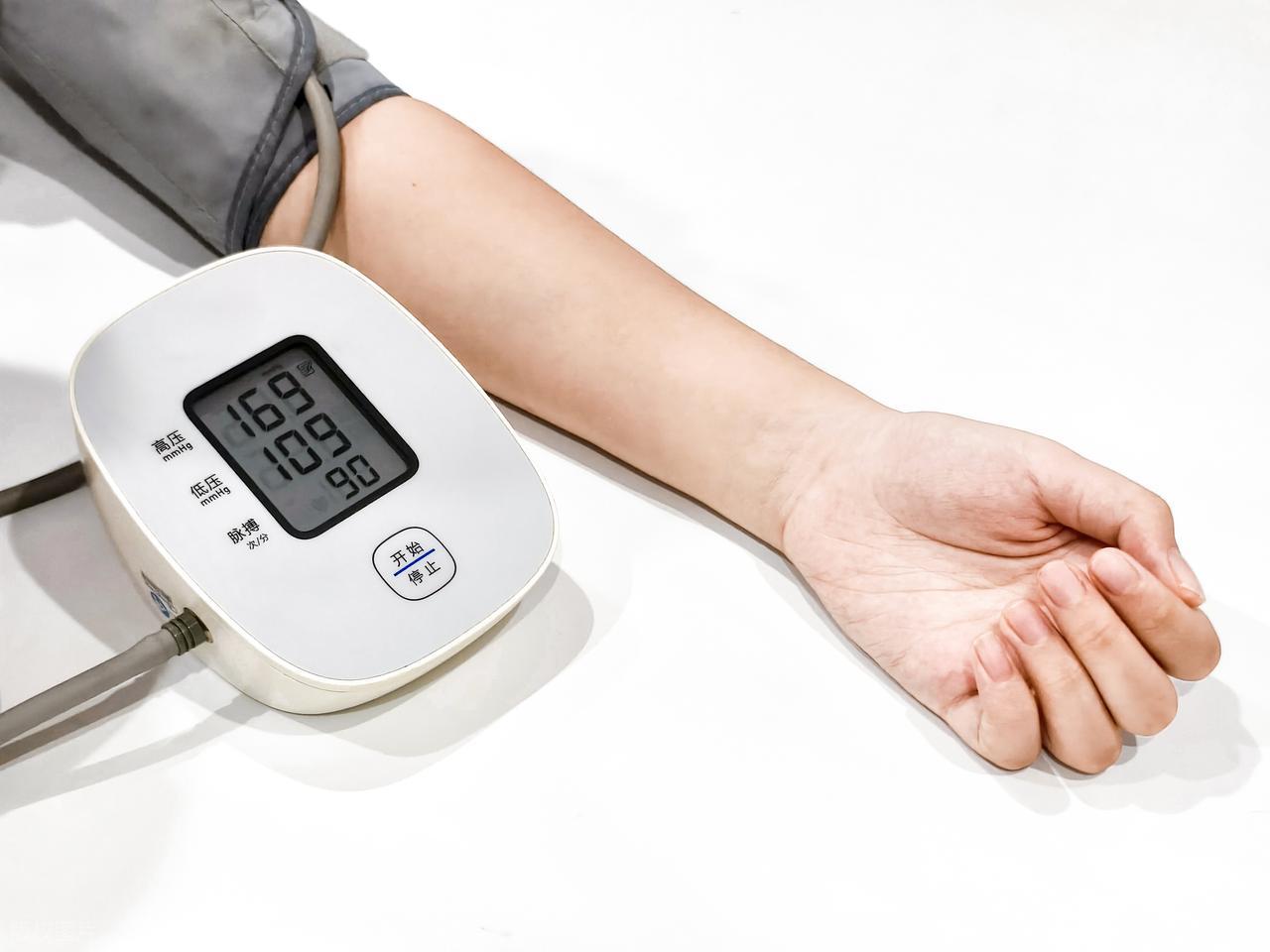
During menopause, the metabolic rate slows down. Without proper dietary control, fat accumulation can easily occur, leading to obesity. Obesity, in turn, can worsen menopausal symptoms and increase the risk of chronic diseases such as hypertension and diabetes.
Therefore, it is important to reduce the intake of high-oil, high-sugar, and high-fat foods, such as fried foods, desserts, and fatty meats. When cooking, opt for lighter methods like steaming, boiling, or stewing, and minimize the use of cooking oil.
Additionally, certain foods may exacerbate menopausal discomfort and should be avoided or consumed in moderation.
Spicy and stimulating foods, such as chili peppers, Sichuan peppercorns, and garlic, can easily irritate the nervous system, worsening symptoms like hot flashes and night sweats.
Coffee and strong tea contain caffeine, which can stimulate the nerves, affect sleep quality, and may even lead to increased heart rate and mood swings.

Alcohol can damage the liver, affect hormone metabolism, and increase the burden on the body. It is advisable to consume such foods as little as possible or avoid them altogether.
Scientific dietary adjustments are crucial for the health of menopausal women, but they cannot replace medical treatment.
If menopausal symptoms are severe and interfere with daily life, it is important to seek medical attention promptly and follow a standardized treatment plan under a doctor’s guidance.
Additionally, maintaining regular routines, engaging in appropriate exercise, cultivating a positive mindset, and combining these with a scientifically balanced diet can help menopausal women navigate this special period more smoothly.