Does Female Aging Start from Menopause? Don't Ignore These 7 Signs!
Menopause is a significant milestone in female aging, marked by 7 distinct physical manifestations. Understanding them early allows for early intervention.
For women, menopause is a critical transitional phase from the reproductive years to old age, typically occurring between the ages of 45 and 55.
During this stage, ovarian function gradually declines, estrogen secretion decreases, and changes occur in various bodily systems, with signs of aging gradually becoming apparent.
Many people believe that female aging officially begins with menopause. In fact, it is precisely due to the sharp fluctuations in hormone levels during menopause that the manifestations of aging become more prominent.
These manifestations not only concern external appearance but also involve internal health. Understanding and addressing them correctly is very important.
The first obvious manifestation is menstrual irregularity, which is the earliest and most central signal of menopause.
After ovarian function declines, irregular follicle development and disordered ovulation timing lead to abnormal menstrual cycles, which may suddenly extend from the original 28-day cycle to 40 days or longer, or shorten to about 20 days.
Menstrual flow also changes. Some women experience significantly reduced flow, using only a few sanitary pads per period;
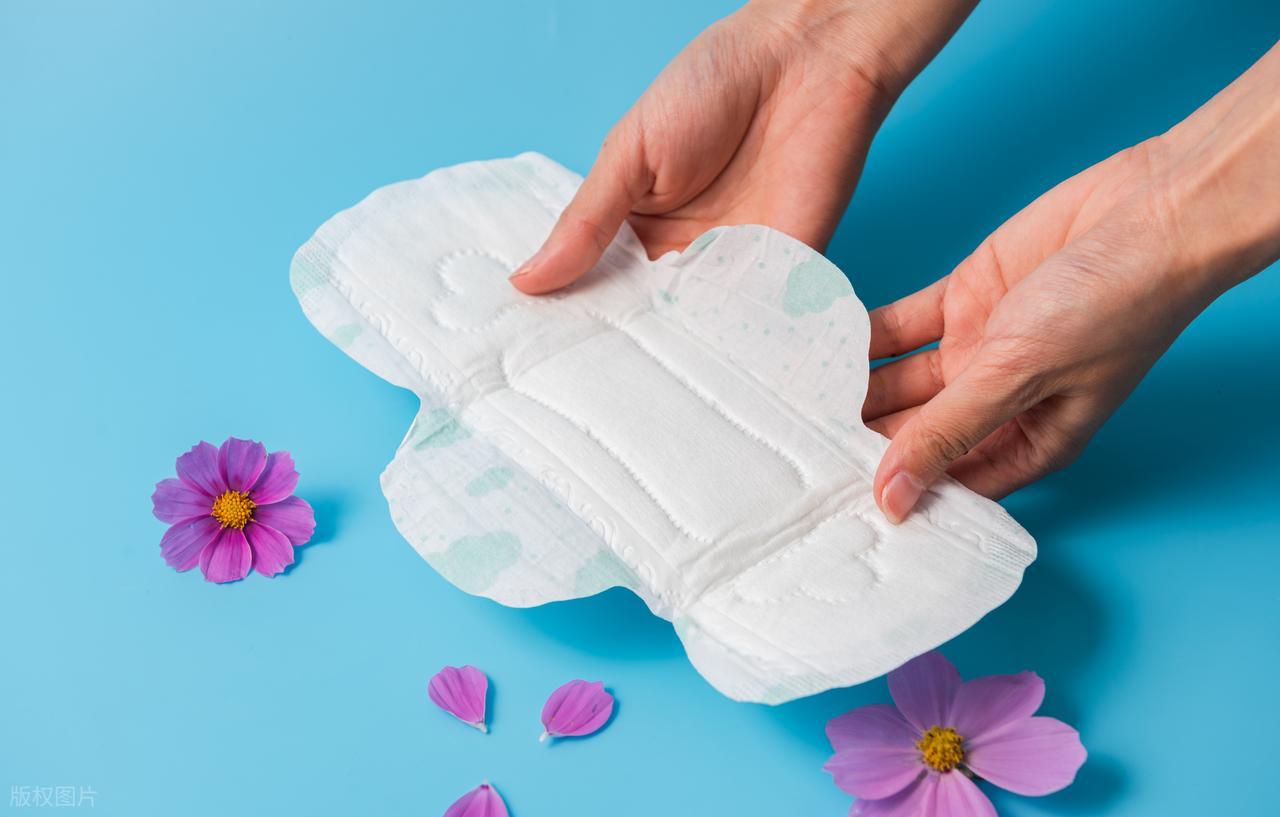
while others have increased flow, prolonged periods, or experience continuous spotting.
This disordered state persists for a period before menstruation eventually stops completely.
Many women think that menstrual irregularities are a normal part of aging, unaware that this is an important signal that the body is entering menopause and beginning to age.
Hot flashes and night sweats are also common signs of aging in menopausal women.
A decline in estrogen levels affects the body's temperature regulation center, causing sudden sensations of heat that spread upward from the chest to the neck and face, accompanied by skin flushing and profuse sweating. This is particularly noticeable during sleep at night, when night sweats can be so severe that they soak through pajamas, disrupting sleep quality.
These hot flash episodes may occur multiple times a day, lasting anywhere from a few minutes to over ten minutes each, and they often become more frequent in hot weather or during emotional excitement.
Prolonged hot flashes and night sweats can deteriorate a woman's mental state and accelerate the decline of bodily functions.
The third symptom is skin laxity and increased wrinkles.
The elasticity and radiance of the skin rely on the maintenance of estrogen, which promotes collagen synthesis and helps preserve skin firmness.
After entering menopause, estrogen secretion decreases, collagen loss accelerates, and the skin loses support, leading to sagging, which is particularly noticeable on the face, neck, and abdomen.

At the same time, the skin's moisture retention ability declines, making it dry and rough. Fine lines and wrinkles gradually appear in areas like the corners of the eyes and forehead, while age spots may also increase and darken. These are the most direct manifestations of external aging.
Don't overlook significant mood swings and memory decline.
Changes in estrogen levels can affect nervous system function, leading to abnormal emotional sensitivity in women. They may easily experience irritability, anxiety, depression, and other mood disturbances, with even minor issues potentially triggering intense emotional reactions.
At the same time, memory and concentration can also be affected. It's common to experience forgetfulness or difficulty focusing—such as forgetting what was just said or where something was just placed—and finding it hard to stay focused on completing a task at work or in daily life.
These psychological changes not only impact daily life but can also indirectly accelerate the body's aging process.
The fifth manifestation is bone and joint pain.
Estrogen plays an important role in bone health. It promotes calcium absorption and deposition and maintains bone density.
After menopause, estrogen levels decrease, leading to reduced calcium absorption capacity, accelerated bone loss, and a higher likelihood of osteoporosis, which can cause symptoms such as joint pain, low back pain, and soreness.
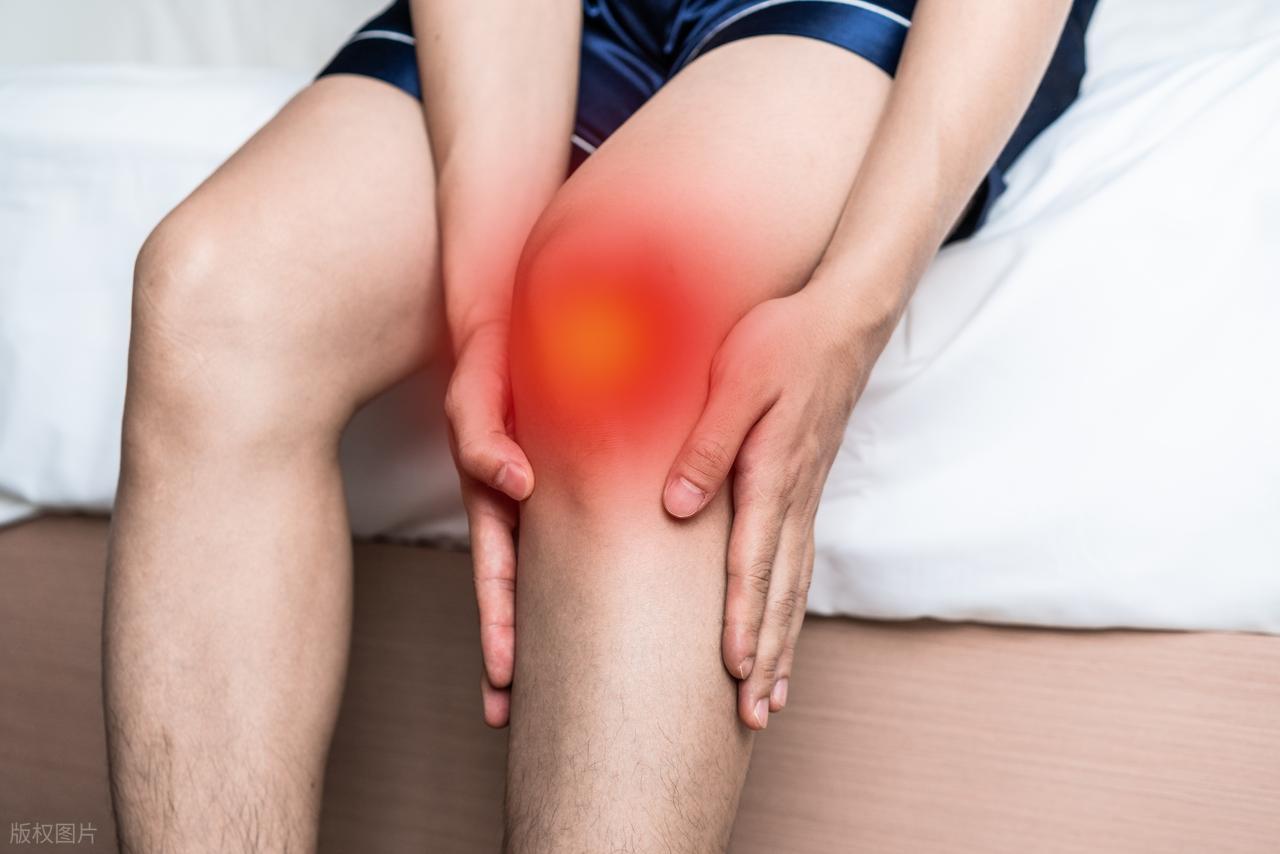
Many women might attribute the pain to arthritis or fatigue, unaware that it stems from bone issues caused by menopausal aging.
If not addressed promptly, it may increase the risk of fractures.
Declining sleep quality is a common issue faced by menopausal women.
In addition to hot flashes and night sweats mentioned earlier affecting sleep, factors like emotional fluctuations and mental tension can also lead to difficulty falling asleep, light sleep, and easy awakenings.
Many women experience difficulty falling asleep for a long time while lying in bed, easily waking up at the slightest disturbance, and having trouble falling back asleep once awake.
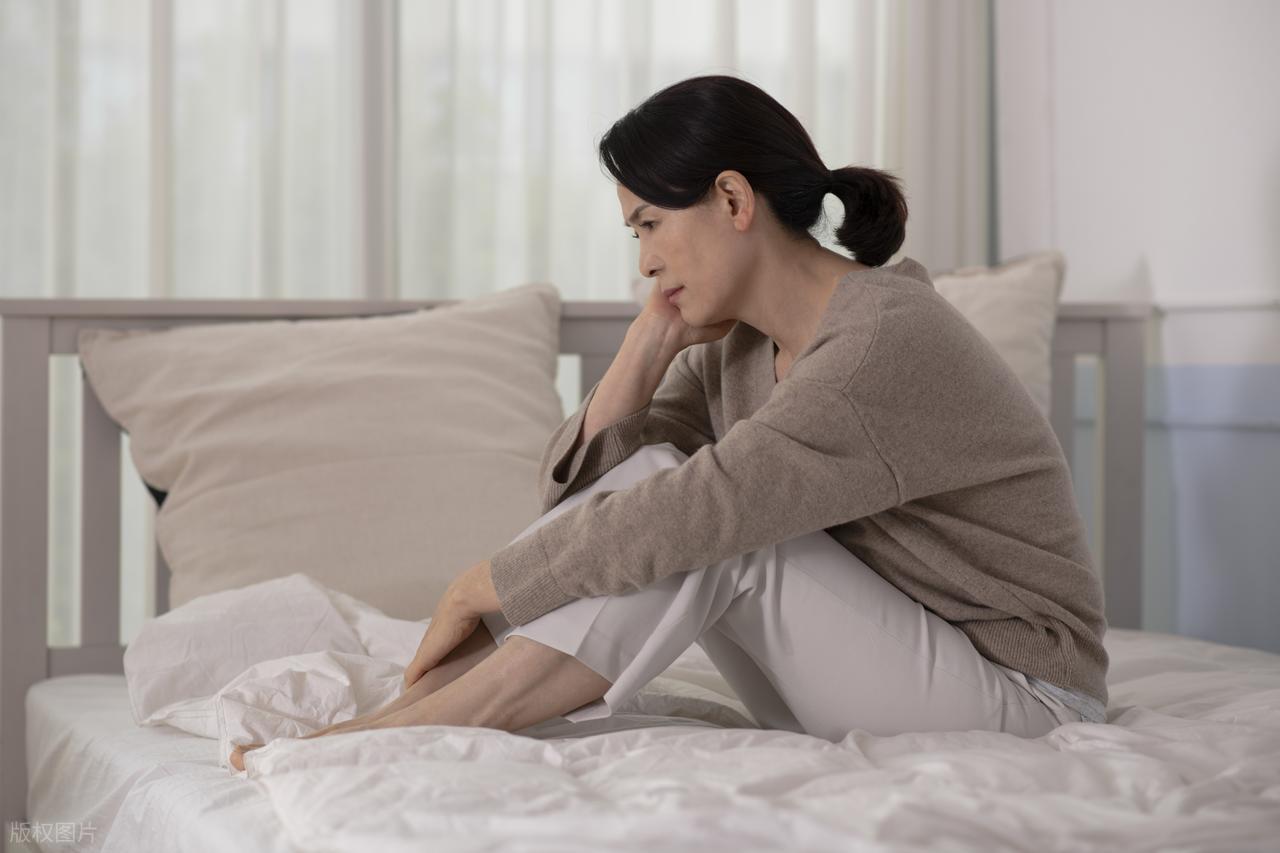
Chronic sleep deprivation can lead to decreased body immunity, further endocrine disruption, creating a vicious cycle that accelerates aging.
The last symptom is changes in the urogenital system.
Reduced estrogen levels can cause atrophy of the urogenital mucosa, decreased vaginal elasticity, reduced secretions, leading to symptoms such as dryness and itching, and possible pain during sexual activity.
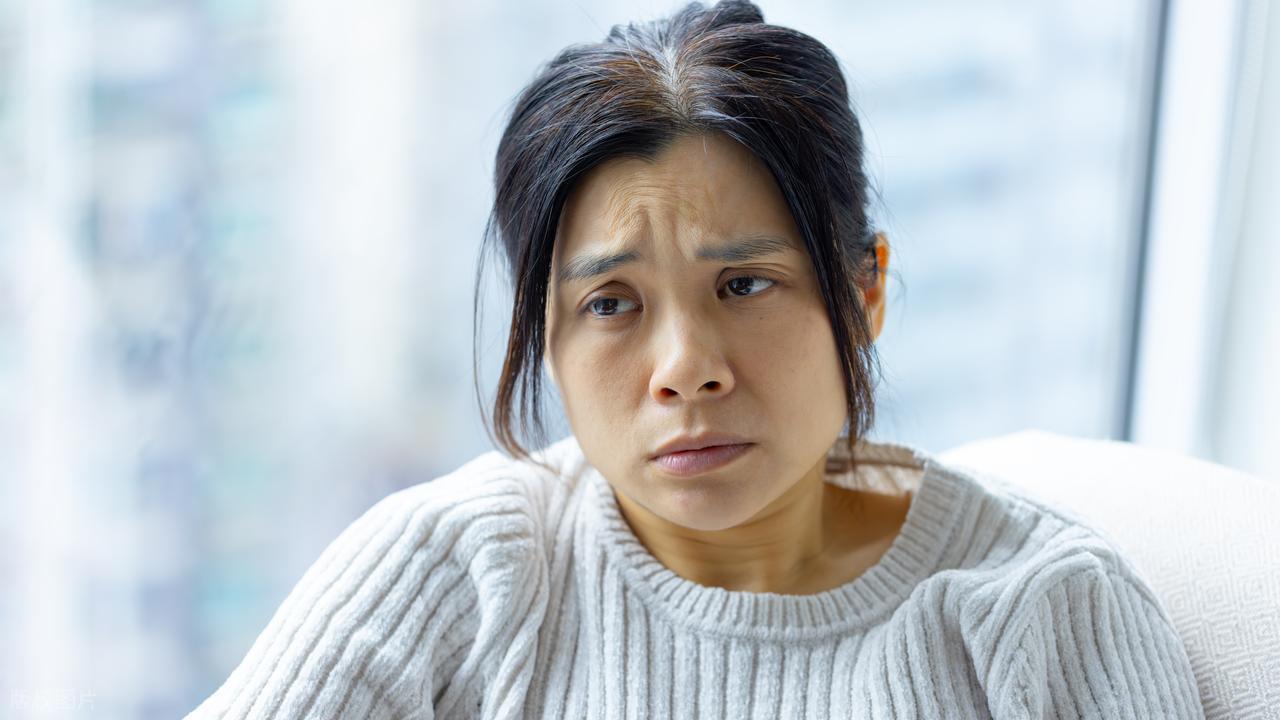
Simultaneously, atrophy of the urethral mucosa leads to weakened function of the urethral sphincter, resulting in urinary frequency and urgency. Some women may also experience stress urinary incontinence, such as involuntary urine leakage when coughing or sneezing. These are specific manifestations of physical aging in the urogenital system.
Women do not need to panic excessively about these signs of aging during menopause, as they can be effectively alleviated through scientific methods.
First, maintain a regular routine, ensure sufficient sleep, and avoid staying up late.
Second, adopt a balanced diet by consuming more foods rich in protein, calcium, and vitamins to replenish the body’s nutritional needs.

Engage in appropriate exercise, such as walking or yoga, which can both enhance physical fitness and regulate mood.
At the same time, maintain a positive mindset, learn to regulate emotions, and avoid excessive anxiety.
If symptoms are severe and affect normal life, hormone replacement therapy or other targeted treatments can be pursued under medical guidance.