We've Been Eating Wrong! These 3 "Healthy Foods" Can Actually Worsen Menopause Symptoms
Are menopausal women often consuming these 3 "healthy foods"? They can actually aggravate discomfort, and many people are eating them incorrectly.
Menopause is a key transitional phase for women moving from their reproductive years into old age. During this period, ovarian function declines, estrogen levels drop, and symptoms such as hot flashes, night sweats, insomnia, mood swings, and joint pain become more likely to occur.
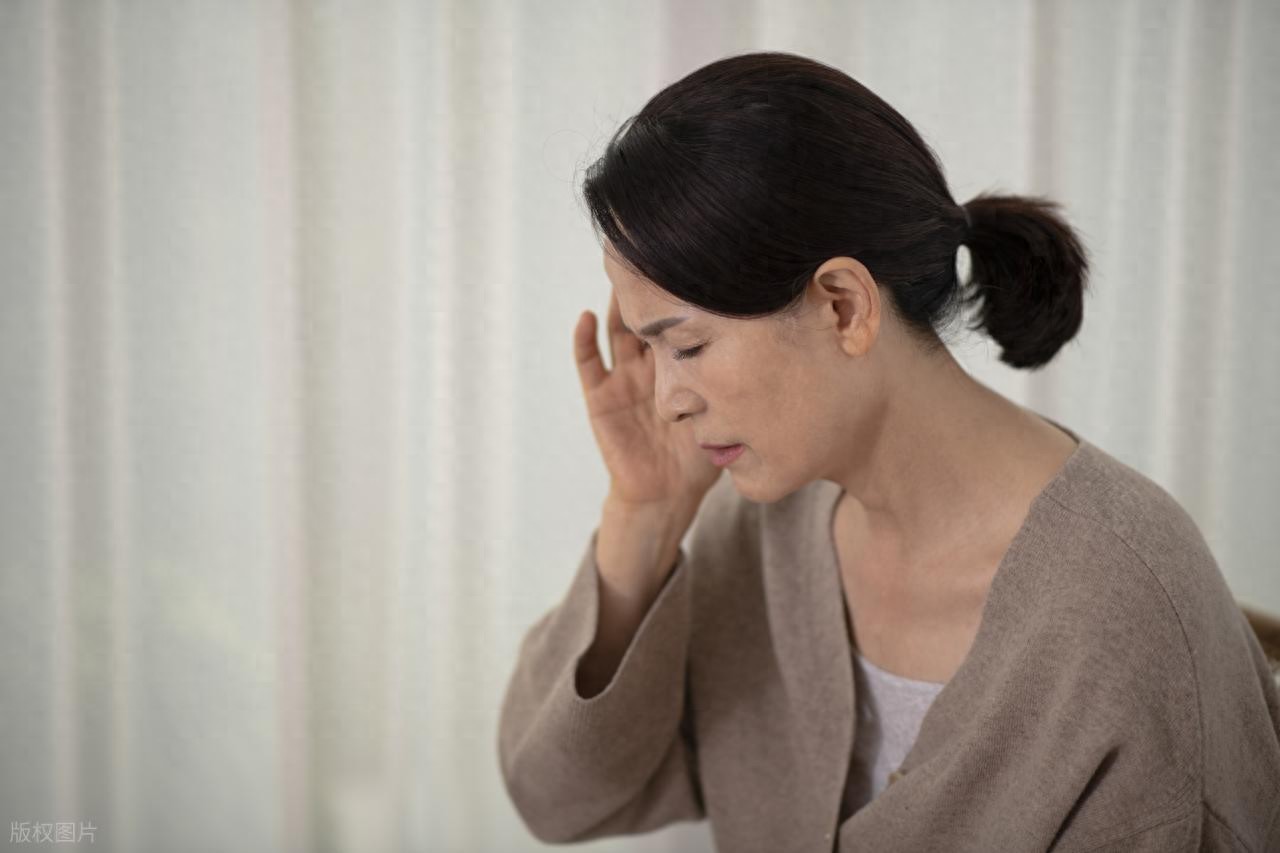
To alleviate these discomforts, many women actively adjust their diet, prioritizing foods labeled as "healthy."
However, in reality, some common "healthy foods" are not suitable for menopausal women to consume in large quantities and may even worsen symptoms.
To understand the reasons, it's essential to first grasp the physiological changes characteristic of menopausal women—estrogen fluctuations can affect endocrine, metabolic, and nervous system functions. Certain food components may further disrupt these functions, exacerbating physical discomfort.
The first type of "healthy food" often consumed incorrectly is high-calcium fortified cereals.
Many people believe that menopausal women are prone to calcium deficiency, which can lead to osteoporosis, and that high-calcium fortified cereals are an efficient source of calcium, making them an ideal choice.
However, in addition to calcium, these cereals also contain a significant amount of phytic acid.
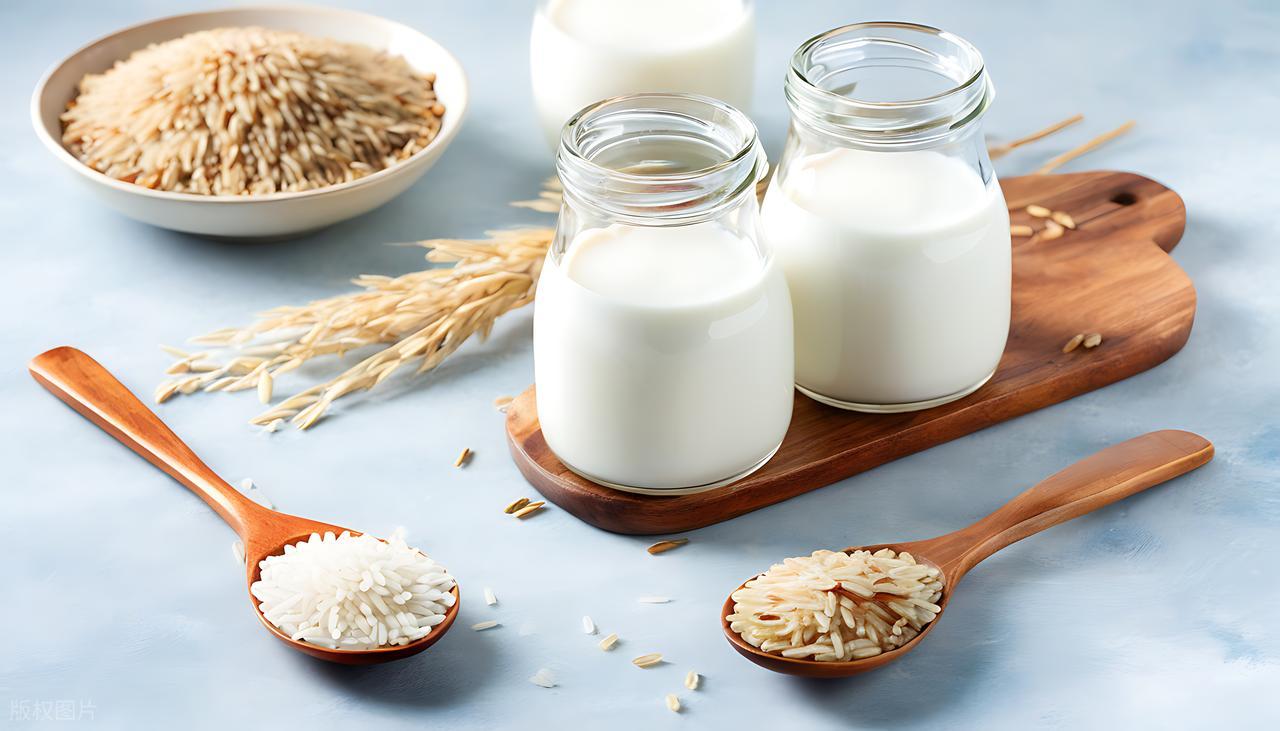
Phytic acid binds with calcium in food, forming calcium phytate, which is difficult for the body to absorb. This not only reduces the absorption rate of the calcium present in the cereals themselves but also interferes with the absorption of calcium from other foods consumed at the same time.
Long-term and excessive consumption may actually lead to insufficient calcium absorption and increase the risk of osteoporosis.
Additionally, some calcium-fortified cereals may contain added sugar to improve taste. Excessive sugar intake can affect endocrine stability, exacerbating symptoms such as hot flashes and mood swings.
Menopausal women should opt for natural, high-calcium foods that are easily absorbed, such as milk and soy products, while avoiding large amounts of consumption alongside foods high in phytic acid.

The second type of food to consume with caution is excessive soy products.
Soy products are often consumed in large quantities because they contain phytoestrogens, which many believe can supplement the estrogen lost during menopause and alleviate discomfort.
However, the activity of phytoestrogens is far lower than that of estrogen secreted by the body itself, and excessive intake can disrupt the body's normal hormonal balance.
For some perimenopausal women with inherently low estrogen levels, moderate consumption of soy products may have some regulatory effects. However, long-term high consumption, especially of concentrated foods like soy milk and tofu skin, can lead to an accumulation of phytoestrogens in the body. This may instead cause issues such as menstrual irregularities and breast tenderness, and could potentially worsen mood swings.

Moreover, the oligosaccharides in soy products can easily cause digestive discomfort such as bloating and diarrhea. Since menopausal women may experience weakened digestive function, excessive consumption can exacerbate these symptoms.
The third commonly misunderstood "healthy food" is sugar-free tremella soup.
Tremella is known as "the people's bird's nest," rich in dietary fiber and polysaccharides. Many menopausal women use it as a dietary remedy to nourish yin, moisten dryness, and relieve hot flashes. To control sugar intake, they often opt for sugar-free versions and consume them in large quantities.
However, tremella itself contains a significant amount of colloidal substances, which give it a thick and sticky texture. Excessive consumption can increase the burden on gastrointestinal digestion, particularly for menopausal women with weakened digestive functions, leading to issues such as bloating and loss of appetite.

More importantly, many commercially available "sugar-free tremella soups" are often enhanced with carbohydrates like maltodextrin to improve their taste.
Maltodextrin has a high glycemic index, and consuming it can cause rapid blood sugar fluctuations, which in turn affects the endocrine system and exacerbates symptoms such as hot flashes, night sweats, and emotional instability.
Even for homemade sugar-free white fungus soup, it's important to control portion sizes—consuming just a small bowl at a time and avoiding long-term excessive intake.
The key to dietary management for menopausal women lies in balanced nutrition, not in blindly pursuing so-called "health foods."
In addition to avoiding the three types of foods mentioned above that are likely to worsen symptoms, attention should also be paid to the overall dietary composition: ensuring adequate intake of high-quality protein, such as fish, poultry, eggs, and lean meat, helps maintain muscle mass and bodily functions.

Increase intake of fresh vegetables and fruits to supplement vitamins, minerals, and dietary fiber, regulating metabolism and intestinal function;
Control the consumption of high-fat and high-salt foods to reduce the risk of cardiovascular disease.
At the same time, dietary adjustments should be tailored to individual circumstances. Different women have varying menopausal symptoms and constitutions, and their reactions to foods will also differ. It is advisable to develop a personalized dietary plan under the guidance of a doctor or nutritionist.
Furthermore, it is worth noting that dietary adjustments are only one part of menopause health management. Maintaining regular routines, engaging in moderate exercise, and fostering a positive mindset are equally important.
Moderate aerobic exercises, such as brisk walking, jogging, or swimming, can promote blood circulation, regulate endocrine functions, and alleviate symptoms like hot flashes and insomnia.
Maintaining adequate sleep and an optimistic emotional state can reduce the burden on the nervous system and improve mood swings.