The Culprit Behind Women Aging Quickly! Frequent Hair Washing Is Only #2, Are You Doing #1 Every Day?
Many women wonder why they age so quickly, but the real culprit is hidden in their daily habits. Frequent hair washing ranks #2, while #1 is something many people do every day.
Women are naturally vigilant about aging. Wrinkles on the face, fine lines around the eyes, and dry hair all cause anxiety. However, most people don't realize that rapid aging isn't solely due to age but rather accelerated by poor daily habits.

Many people engage in daily activities that are the number one culprit accelerating aging, while the often-misunderstood habit of frequently washing hair actually ranks only second.
Clarifying these habits is essential to better delay aging.
Let’s first talk about the number one culprit—chronic sleep deprivation.
Staying up late has become the norm for many women today—whether due to overtime work, scrolling through phones, or binge-watching dramas, they don’t sleep until the early hours.
Staying up late causes far more damage to the body than one might imagine, directly accelerating the aging process.
The human body has a fixed biological clock. From 10 PM to 2 AM is the golden period for skin metabolism and repair, during which the body secretes large amounts of growth hormone to promote skin cell regeneration and eliminate free radicals.

Chronic sleep deprivation disrupts the biological clock, leading to reduced secretion of growth hormone, diminished skin repair capabilities, and accelerated collagen loss. As a result, wrinkles, sagging, dullness, and other signs of aging appear early, making one look significantly older than peers.
Beyond the skin, staying up late also affects the endocrine system.
Imbalance in female endocrine systems can lead to menstrual irregularities and estrogen secretion disorders, and estrogen is crucial for maintaining skin elasticity and radiance.
At the same time, staying up late reduces the body's immunity, depletes vitality, and leaves one looking pale, lethargic, and noticeably aged.

More importantly, signs of aging caused by staying up late are difficult to compensate for with skincare products alone; only by restoring a regular routine can they be improved.
Therefore, to delay aging, ensuring 7-8 hours of adequate sleep daily and trying to fall asleep before 11 p.m. is the most fundamental and critical step.
Now, the second major culprit to look at—overly frequent hair washing.
Many women who prioritize cleanliness feel they must wash their hair as soon as it becomes oily, even washing it twice a day.
However, frequent hair washing can disrupt the scalp’s oil balance.
The scalp naturally secretes a layer of natural oils, which help protect the scalp and hair, reduce moisture loss, and maintain the stability of the scalp microenvironment.
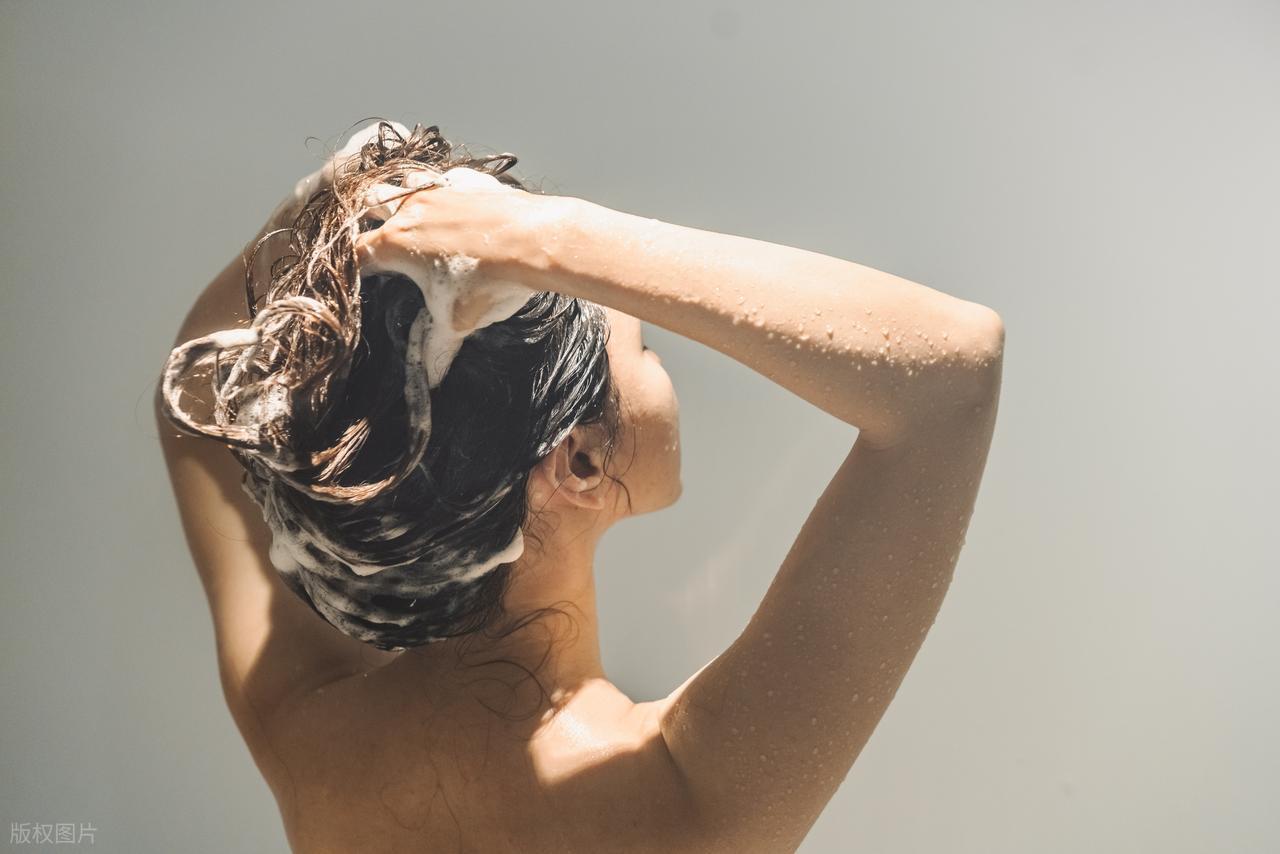
Excessive washing removes this protective layer, leading to dryness and sensitivity of the scalp, damage to hair follicles, and problems such as increased dandruff and scalp itching.
Without the nourishment of natural oils, hair becomes dry, frizzy, brittle, and prone to severe split ends, losing its shine and significantly diminishing one’s overall appearance, making one look haggard and aged.
The frequency of hair washing should be tailored to hair type: oily hair is recommended to be washed every 2–3 days, while dry hair only needs washing every 3–4 days.
When washing hair, the water temperature should not be too high either. Around 37°C, close to body temperature, is most suitable. Excessively high water temperatures can irritate the scalp and worsen scalp issues.

Meanwhile, choose a shampoo suitable for your hair type, avoid products with strong irritants, and minimize damage to the scalp and hair.
Beyond these two major culprits, there are other habits that can also accelerate aging, such as neglecting sun protection.
Many women only apply sunscreen in the summer and completely ignore it during spring and autumn or on cloudy days.
Ultraviolet (UV) radiation, regardless of season or weather, is constantly present and a major factor contributing to skin aging.
UVA rays in ultraviolet light are highly penetrating and can directly reach the deeper layers of the skin, damaging collagen and elastin fibers, leading to skin laxity, wrinkles, and pigmentation.
Long-term lack of sun protection can result in rough, dull skin with abundant pigmentation, accelerating the aging process by 3-5 times compared to those who practice proper sun protection.
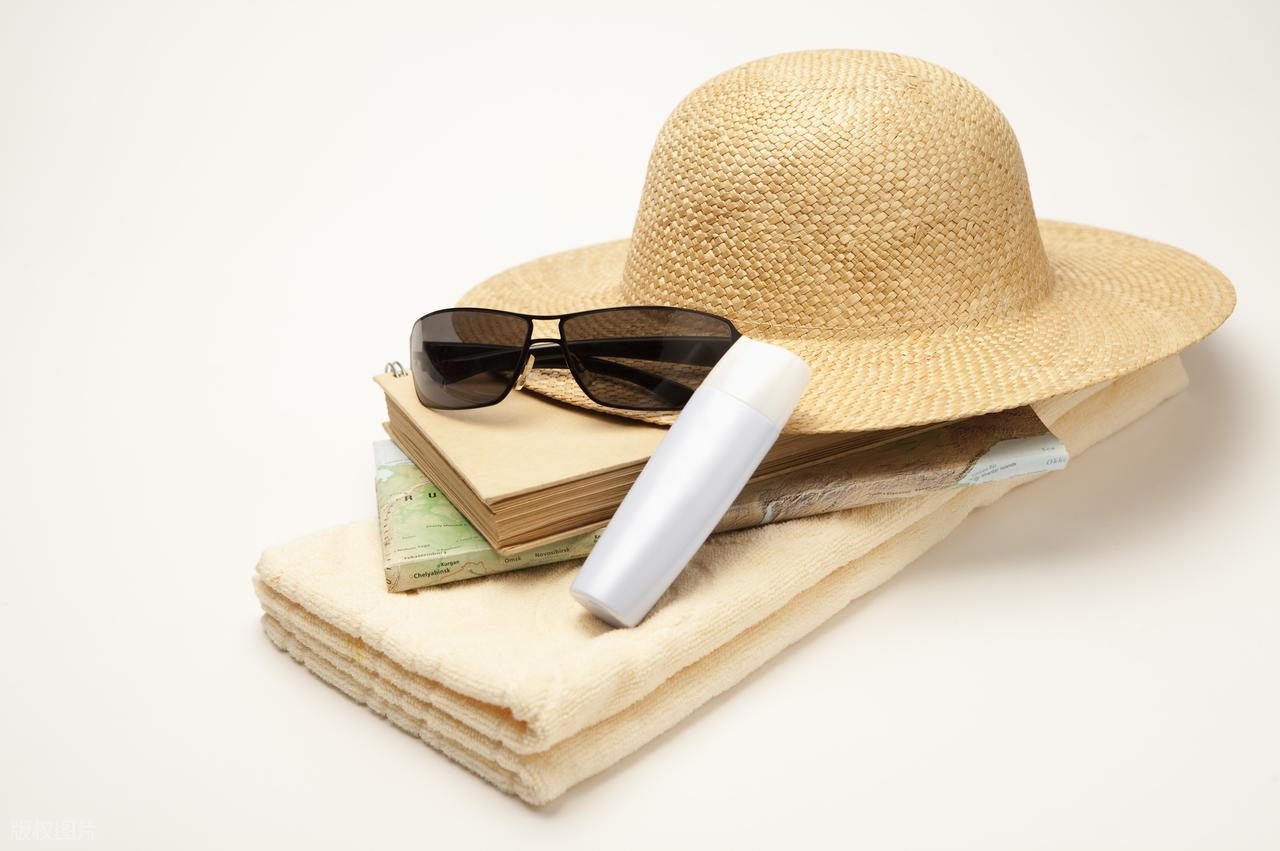
Therefore, regardless of the season, it is essential to apply sunscreen before going outdoors and combine it with physical protection such as hats and umbrellas to comprehensively defend against UV damage.
Additionally, an unreasonable diet can also affect the rate of aging.
Many women, in order to lose weight, engage in excessive dieting, leading to insufficient intake of nutrients such as proteins, vitamins, and minerals.
Protein is a crucial raw material for collagen synthesis, and a deficiency in protein can cause the skin to lose its elasticity.
Vitamin C promotes collagen synthesis, and a deficiency can result in dull and dry skin.
Eating foods high in sugar, fat, and salt on a regular basis can trigger inflammation in the body, accelerate free radical production, damage skin cells, and lead to premature skin aging.

Therefore, it is important to maintain a balanced diet in daily life. Eat more protein-rich foods such as eggs, milk, and lean meat, as well as fresh fruits and vegetables rich in vitamins, and whole grains high in dietary fiber. This will provide sufficient nutrition for your skin and body.
Although aging is a natural process, avoiding bad habits can effectively slow down the rate of aging.

Long-term sleep deprivation, excessive hair washing, lack of sun protection, and an imbalanced diet—these seemingly ordinary habits are actually key factors that accelerate aging in women.
To maintain a youthful appearance, start by adjusting your lifestyle habits. Follow a regular routine, wash your hair appropriately, protect your skin from the sun, and maintain a balanced diet. Nurture your body from the inside out.