Is the Harm of Secondhand Smoke to Women Really the Same as Direct Smoking?
Many women think they are safe as long as they don’t smoke, but in fact, the dangers of secondhand smoke are no less than those of direct smoking. It’s important to be clear about these harms.
In the perception of many people, only those who smoke directly are harmed by tobacco, and secondhand smoke is at most “irritating” with little impact on the body.
However, in reality, the harm of secondhand smoke to women is no less than that of direct smoking, and may even pose higher risks in certain aspects.

This conclusion is not baseless but is supported by ample medical research.
After tobacco is burned, it produces thousands of chemical substances, among which dozens are clearly recognized carcinogens. These substances disperse into the air with the smoke, forming secondhand smoke.
When women are exposed to secondhand smoke for a long period, all systems in their bodies can be harmed. Moreover, due to the unique physiological structure of women, some of these harms may manifest more prominently.

The hazards of secondhand smoke are particularly significant for women's respiratory systems.
The smoke inhaled by direct smokers is filtered through the cigarette filter, which traps some harmful substances. In contrast, secondhand smoke is a mixture of sidestream and mainstream smoke, with a higher proportion of sidestream smoke.

Sidestream smoke is released directly from the burning end of the tobacco. Due to incomplete combustion, it contains higher concentrations of harmful substances, such as carcinogens like benzene, formaldehyde, and nicotine, at levels several times higher than those in mainstream smoke.
Long-term inhalation of this smoke by women can irritate the respiratory mucosa, leading to mucosal damage and repeated inflammatory responses, thereby increasing the risk of chronic bronchitis, asthma, and other diseases.

What is even more concerning is that secondhand smoke significantly increases the risk of lung cancer in women. Studies have shown that women who are chronically exposed to secondhand smoke have a lung cancer incidence rate that is over 30% higher than that of women who are not exposed, and this risk increases with longer exposure durations.
The harm to the female reproductive system is a distinctive feature that sets secondhand smoke apart from direct smoking.
Women's reproductive systems are more sensitive to harmful substances in tobacco. Components such as nicotine and tar can affect the endocrine system through blood circulation, leading to hormonal imbalances.
For women of childbearing age, this can impair egg quality, reduce the chances of successful conception, and increase the risk of miscarriage and premature birth.

If exposed to secondhand smoke during pregnancy, harmful substances can cross the placental barrier and enter the fetus's body, affecting fetal growth and development. This may lead to issues such as low birth weight and congenital malformations.
For menopausal women, secondhand smoke can exacerbate menopausal symptoms, such as hot flashes and night sweats. It can also accelerate the decline of ovarian function, leading to earlier onset of menopause.
In addition, women who are exposed to secondhand smoke over the long term face a significantly increased risk of developing reproductive system cancers, such as cervical and ovarian cancer.

The harm of secondhand smoke to women's cardiovascular systems should not be underestimated.
Nicotine in tobacco stimulates blood vessel contraction, leading to elevated blood pressure, while simultaneously damaging vascular endothelial cells and promoting the formation of atherosclerosis.
Direct smokers may gradually develop a certain level of tolerance, whereas secondhand smoke inhalers lack such tolerance, resulting in stronger vascular stimulation.
Particularly for middle-aged and elderly women, whose cardiovascular function has already declined, the irritation from secondhand smoke further exacerbates cardiovascular burden, increasing the probability of acute cardiovascular events such as myocardial infarction and stroke.
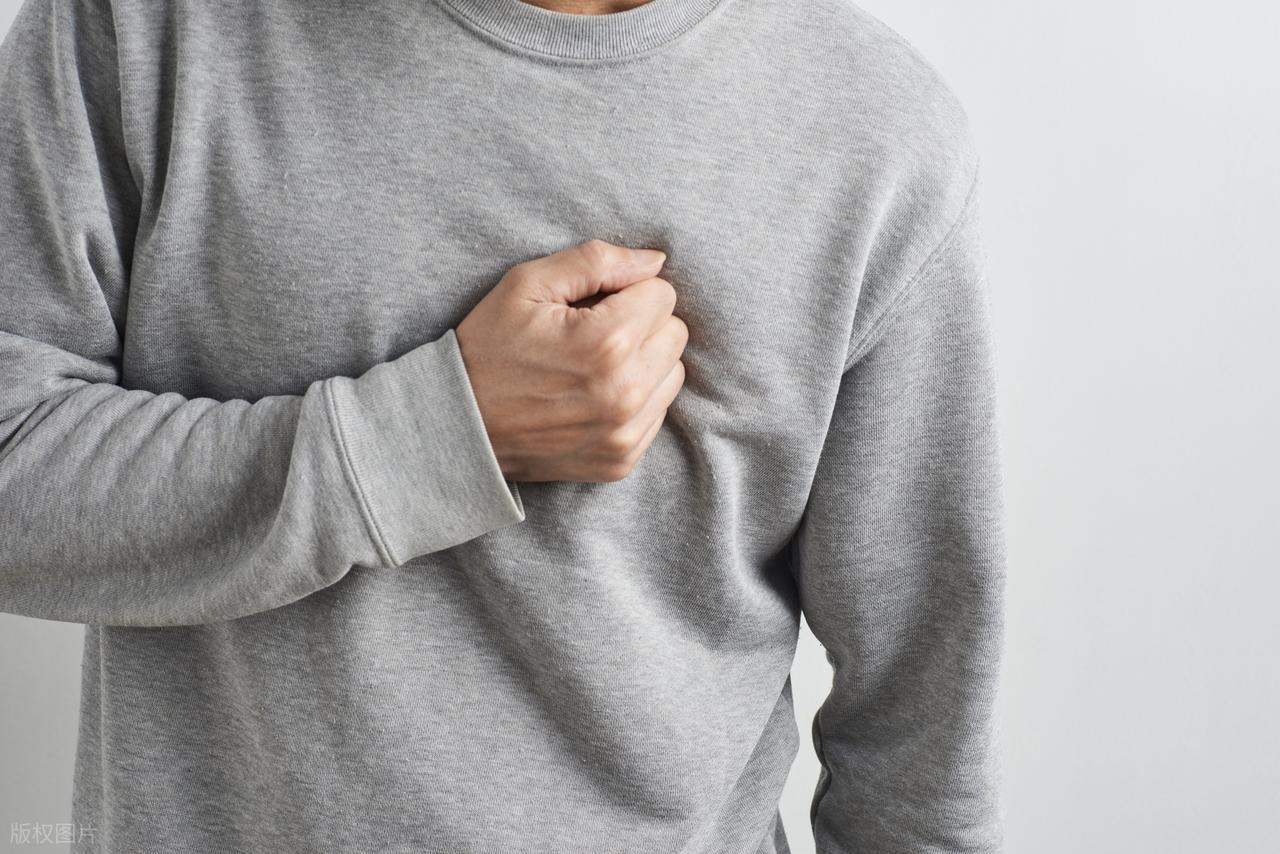
To reduce the harm of secondhand smoke to women, the key lies in creating a smoke-free environment.
First, smokers should consciously smoke outdoors, avoid smoking in confined spaces such as indoors or inside vehicles, and reduce the spread of secondhand smoke.
Second, women should enhance their self-protection awareness. When encountering others smoking, they should promptly avoid the situation or remind them to smoke outdoors. In environments where secondhand smoke cannot be avoided, wearing professional anti-smog masks can help reduce the inhalation of harmful substances.
Additionally, regular health check-ups are also crucial. Women should undergo periodic examinations of the respiratory, reproductive, and cardiovascular systems to ensure early detection and intervention.

For families with children, it is even more crucial to strictly eliminate secondhand smoke, as children, like women, are more sensitive to the harm of secondhand smoke. Prolonged exposure can affect a child's growth and development.
Many women overlook the dangers of secondhand smoke because its harmful effects are often hidden, with no obvious symptoms appearing in the short term. However, the cumulative damage over time gradually becomes evident.
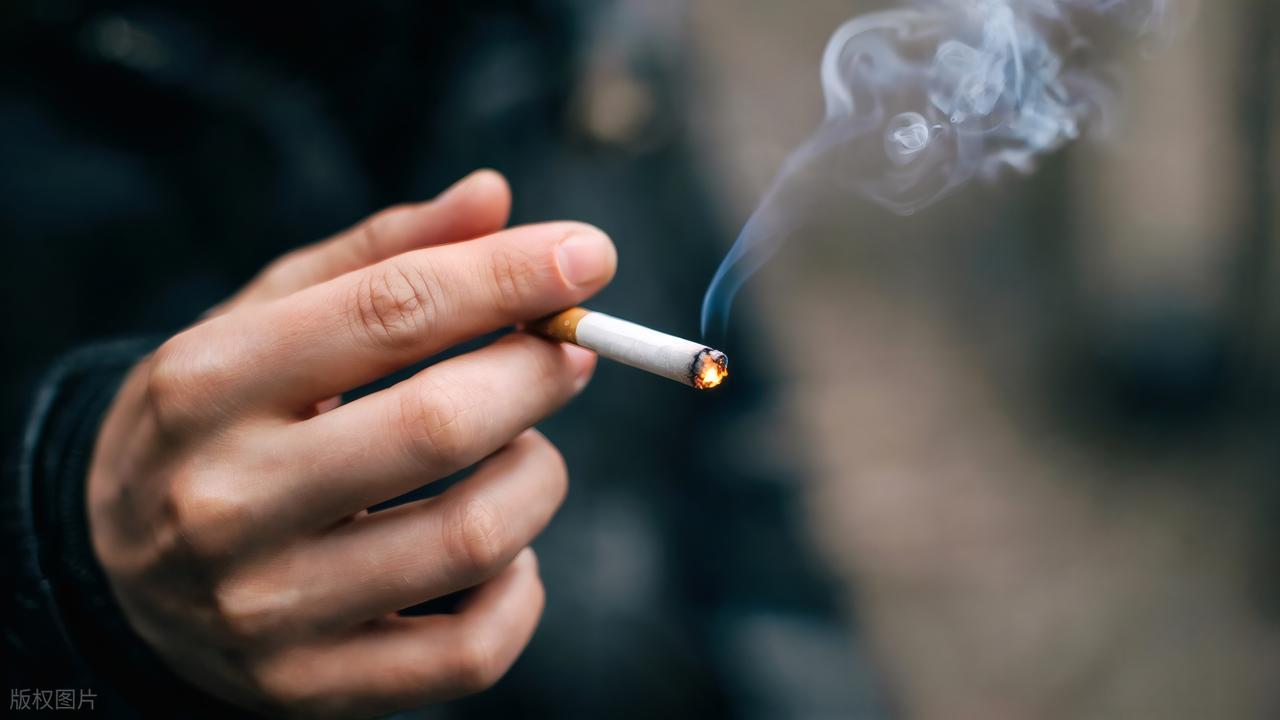
Whether through direct smoking or exposure to secondhand smoke, the harmful substances in tobacco cause irreversible damage to the body. Moreover, due to its more complex composition and higher concentration, secondhand smoke poses even greater risks to women's unique physiological structures.
Therefore, women must not take secondhand smoke lightly. They should actively avoid environments with secondhand smoke, encourage those around them to quit smoking, and work together to protect their own health and that of their families.