Menopause insomnia and taking sleeping pills? Doctor: Better to stick to this small daily habit
Menopause insomnia is persistent, and many people rely on sleeping pills. Doctors advise that sticking to this daily habit is safer than taking medication.
Menopause is a special transitional period for women from middle age to old age, and insomnia is one of the most common troubles during this stage.
Many women experience difficulties falling asleep, waking easily during the night, or waking up too early in the morning, and in severe cases, they may even be unable to sleep soundly throughout the entire night.
Long-term insomnia not only leads to daytime fatigue and difficulty concentrating but can also worsen menopausal symptoms such as hot flashes and night sweats, affecting cardiovascular health and emotional stability.
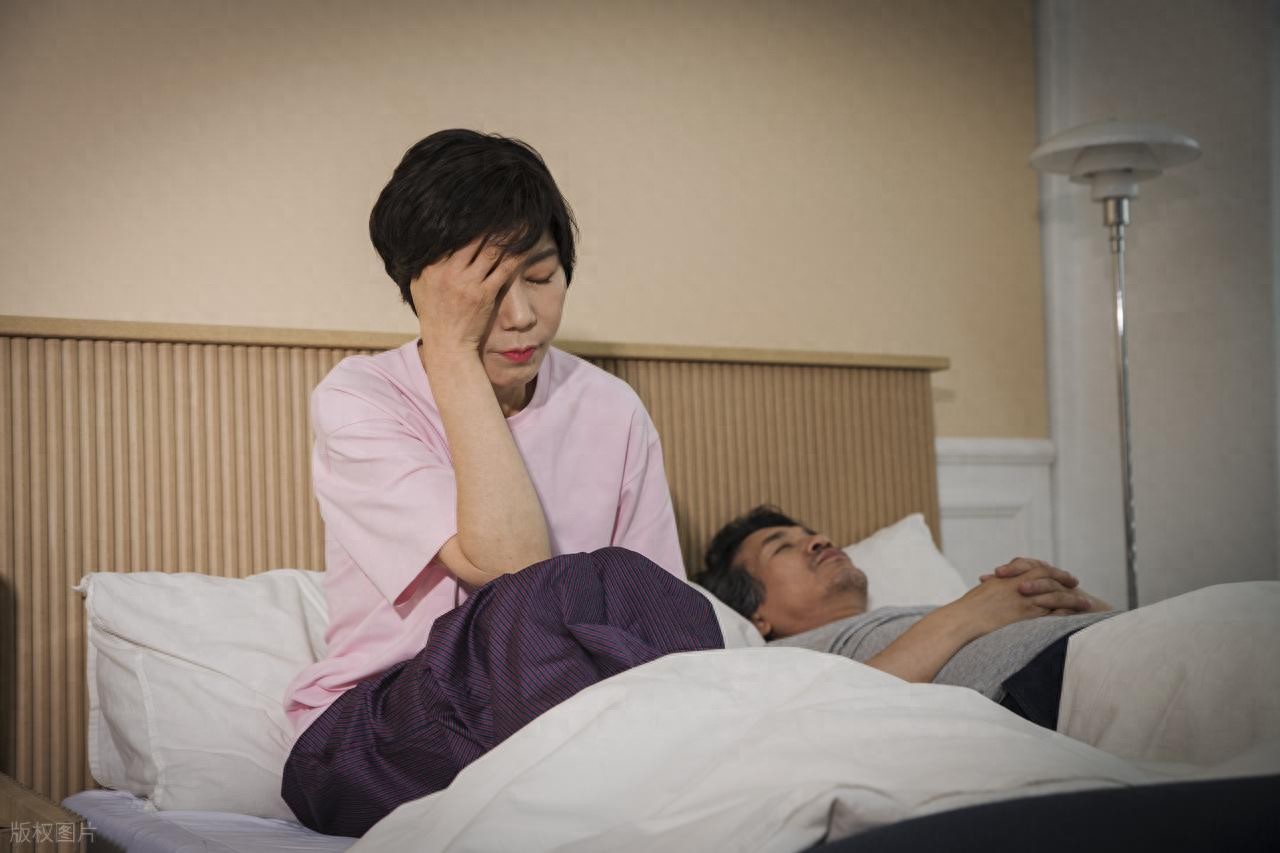
To get a good night's sleep, many consider taking sleeping pills, unaware that this approach carries multiple risks.
Doctors point out that menopausal insomnia is often linked to hormonal changes, and effective improvement can be achieved by adjusting daily habits. Among these, regular exercise is a safer and longer-lasting solution than sleeping pills.
First, let’s discuss the root causes of menopausal insomnia to understand why exercise can be effective.
When women enter menopause, ovarian function declines, and estrogen levels drop significantly. This hormonal change directly affects the stability of the nervous system.

Reduced estrogen leads to an imbalance in neurotransmitters that regulate sleep in the brain, such as decreased serotonin secretion. Serotonin helps regulate the sleep cycle, and its deficiency can directly cause difficulty falling asleep.
Additionally, the decline in estrogen can trigger hot flashes and night sweats. Frequent sweating at night can cause physical discomfort, thereby interrupting sleep.
Moreover, mood swings caused by hormonal changes, such as anxiety and irritability, can also indirectly affect sleep quality.

Sleeping pills can only temporarily suppress neural activity to help with falling asleep, but they cannot address the root cause of hormonal imbalance, while exercise can regulate the body's state in multiple ways and specifically improve insomnia.
The principle of exercise improving menopausal insomnia is very clear.
First, exercise can regulate endocrine function.
Regular exercise can promote the secretion of neurotransmitters such as endorphins and dopamine. These substances help alleviate negative emotions like anxiety and irritability, leading to greater emotional stability, which in turn reduces emotional disturbances to sleep.

Simultaneously, long-term regular exercise can help regulate estrogen levels to a certain extent, mitigate the effects of hormonal fluctuations, and improve sleep quality at the source. Secondly, exercise enhances the body's physiological state.
Moderate physical activity during the day can generate a certain level of physical fatigue, which helps the body enter deep sleep at night, thereby improving sleep quality.
Moreover, exercise promotes blood circulation and enhances metabolism, helping to alleviate menopausal symptoms such as hot flashes and night sweats, and reducing nighttime awakenings due to physical discomfort.

Additionally, exercise helps regulate the biological clock. A consistent exercise routine can establish a fixed sleep-wake rhythm, naturally inducing drowsiness at bedtime and aiding in the development of a healthy sleep cycle.
Not all types of exercise can improve insomnia—choosing the right type, intensity, and timing of exercise is crucial.
From a type perspective, moderate- to low-intensity aerobic exercise yields the best results, such as brisk walking, jogging, swimming, cycling, and square dancing.

These types of exercises can steadily elevate heart rate and promote blood circulation without causing excessive fatigue or overstimulation in the body.
In contrast, high-intensity exercises such as sprinting and high-intensity interval training can cause the body to secrete large amounts of adrenaline, leading to heightened nervous excitement. If performed before bedtime, these activities may instead worsen insomnia.
In terms of exercise intensity, it should be adjusted according to individual circumstances, ideally leading to a feeling of slight fatigue but mental refreshment after exercise. Generally, each session should last 30-45 minutes, performed 5-6 times per week.

The timing of exercise also matters. It's best to exercise between 3 PM and 6 PM. This period helps expend the day's energy while giving the body enough time to settle down, ensuring it doesn't interfere with nighttime sleep.
If you can only exercise in the evening, be sure to finish at least 3 hours before bedtime, allowing your body time to calm down.
In addition to exercise, combining other habits can further enhance the improvement of insomnia.
Adjusting your sleep environment is important. Keep the bedroom quiet, dark, and cool, and choose a comfortable mattress and pillows to minimize external factors that can disrupt sleep.
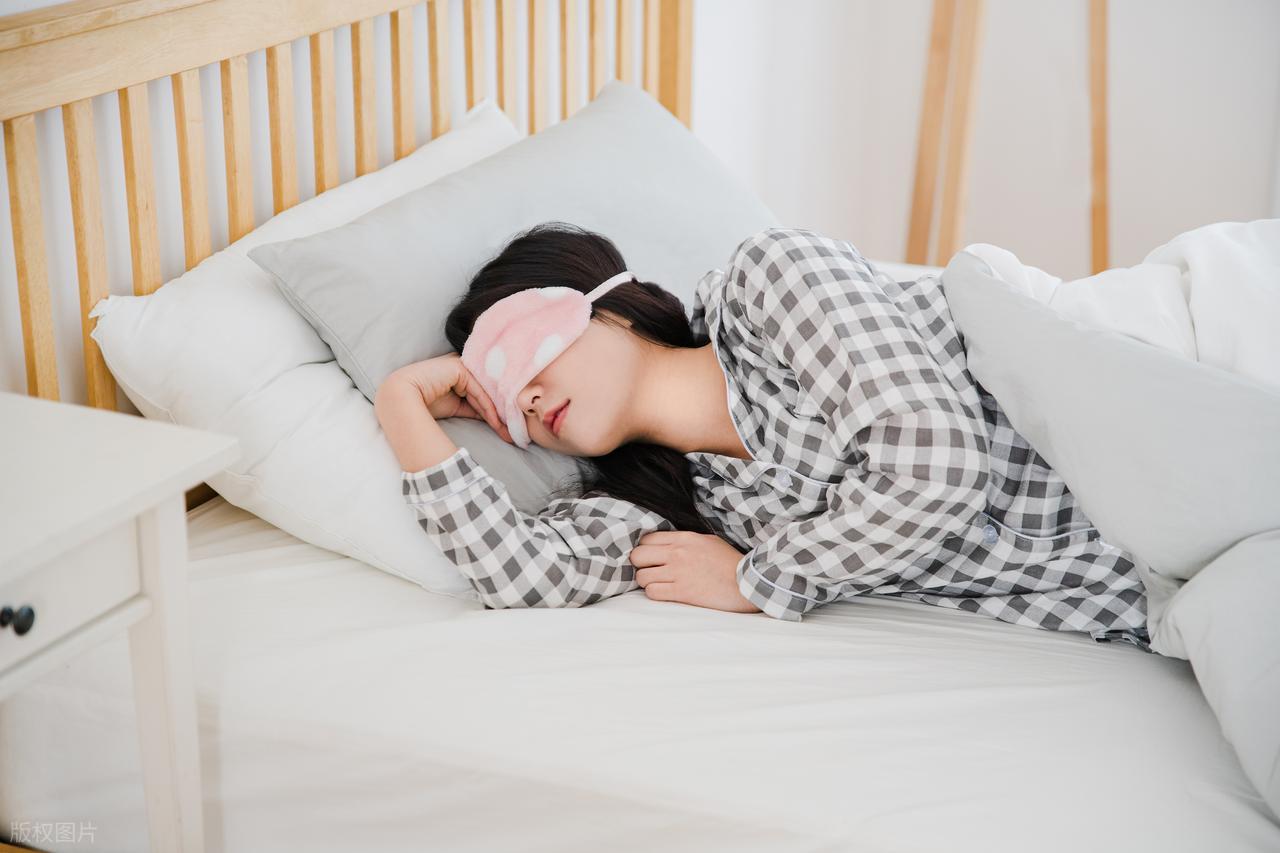
Avoid using electronic devices like phones and computers at least 1 hour before bedtime, as the blue light emitted by these devices suppresses melatonin secretion, a crucial hormone for regulating sleep.
In terms of diet, it is also important to avoid eating too much before bedtime, and to steer clear of spicy or greasy foods, as well as stimulating beverages like coffee and strong tea. You can opt for a warm glass of milk in moderation, which can help relax your body.

Meanwhile, maintaining a regular schedule by going to bed and waking up at the same time every day, even on weekends, can help your body establish a stable sleep rhythm without disrupting your circadian clock.
Here’s a special reminder: relying on sleeping pills to improve menopausal insomnia comes with relatively high risks.
Sleeping pills are prescription medications; long-term use can lead to dependence. Once you stop taking them, insomnia may rebound and even become more severe than before.
At the same time, sleeping pills can also bring many side effects, such as daytime drowsiness, dizziness, memory decline, etc., which can affect daily life.

For menopausal women, some sleeping pills may also interact with commonly used menopausal medications, increasing health risks.
If insomnia becomes severe enough to affect normal life, you should promptly seek medical attention and adjust your treatment plan under a doctor's guidance. Do not take sleeping pills on your own for extended periods.
Although menopausal insomnia can be persistent, it is not an unsolvable problem.
Instead of relying on sleeping pills for temporary relief, it's better to consistently engage in regular daily exercise, combined with good sleep habits, to improve sleep quality at the root.
It is important to note that using exercise to improve insomnia requires long-term persistence. Typically, it takes 2–3 weeks of consistent effort to see noticeable results, so do not give up easily due to a lack of immediate changes.

Menopause is an inevitable stage of life. Maintaining a scientific lifestyle can help you smoothly navigate this period and enjoy high-quality sleep.