Vaginitis keeps recurring? You might be eating wrong! Avoid these foods immediately
Vaginitis keeps recurring? Many people overlook the influence of diet. Identifying the right foods to avoid can help reduce recurrence.
Vaginitis is a common gynecological disease among women. Relevant data show it accounts for over 50% of gynecological inflammations, with a persistently high recurrence rate, making it an "embarrassing secret" troubling many women.
Many patients experience recurring symptoms shortly after treatment; in addition to factors like personal hygiene and incomplete treatment, poor diet is also a significant trigger.

The vagina contains a complex micro-ecosystem where beneficial and harmful bacteria maintain a delicate balance, preserving the vaginal pH balance. An improper diet can disrupt this balance, creating conditions for the proliferation of pathogenic bacteria and leading to recurrent inflammation.
High-sugar foods are a major driver of recurrent vaginitis. This is because excessive sugar intake enters the bloodstream, increasing glycogen levels in the vaginal area, which in turn raises vaginal acidity. This environment is highly conducive to the growth and proliferation of pathogens like Candida, exacerbating inflammation or triggering recurrence.
Common high-sugar foods in daily life include candy, cake, chocolate, sugary beverages, and desserts. Intake of these foods should be minimized as much as possible.

Especially for patients already suffering from fungal vaginitis, it is essential to strictly control sugar intake to avoid providing nutritional support for pathogenic bacteria.
Spicy and stimulating foods also need to be strictly avoided. These foods include chili peppers, Sichuan peppercorns, ginger, garlic, mustard, as well as spicy dishes such as hotpot, barbecue, and spicy stir-fry.
Spicy foods can irritate the skin and mucous membranes of the vulva, worsening inflammatory symptoms such as itching and burning. At the same time, they can disrupt the body's internal environment stability, reduce immune function, make it harder for the body to resist pathogenic bacteria, and increase the risk of vaginitis recurrence.
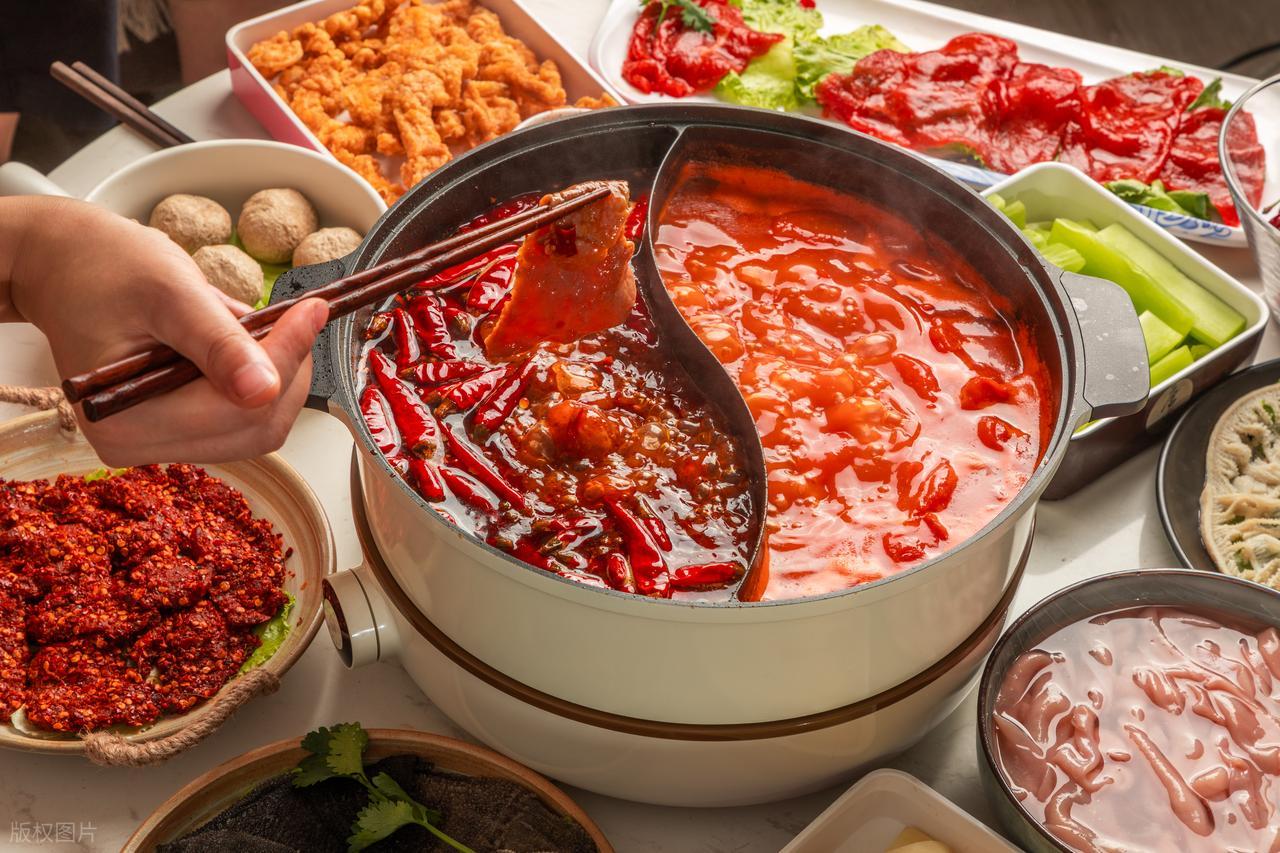
In addition, alcohol and alcoholic beverages should also be avoided. Alcohol similarly interferes with the body's metabolism, disrupts the vaginal microecological balance, and is detrimental to the recovery from inflammation.
Oily and fried foods are also detrimental to vaginal health. Such foods include fatty meat, fried chicken, french fries, and deep-fried dough sticks. Excessive fat intake can impair the body's immune function and may lead to fluctuations in hormone levels, indirectly affecting the balance of the vaginal microbiome.
Studies show that women with excessively greasy diets have a relatively higher recurrence rate of vaginitis. Therefore, daily meals should be kept light as much as possible, reducing the intake of oily foods. Cooking methods such as steaming, boiling, stewing, and cold tossing are more conducive to maintaining a healthy physical state.

While avoiding certain foods, moderately increasing consumption of beneficial foods can help regulate vaginal microecology and reduce the risk of recurrence.
Sugar-free or low-sugar yogurt is an excellent choice, as it contains probiotics such as Lactobacillus acidophilus and Bifidobacterium, which can regulate the intestinal microecology. Some beneficial bacteria can also assist in maintaining vaginal flora balance through circulation and inhibit the reproduction of pathogenic bacteria. Consuming about 100–150 grams of sugar-free yogurt daily as a snack between meals is beneficial for vaginal health.
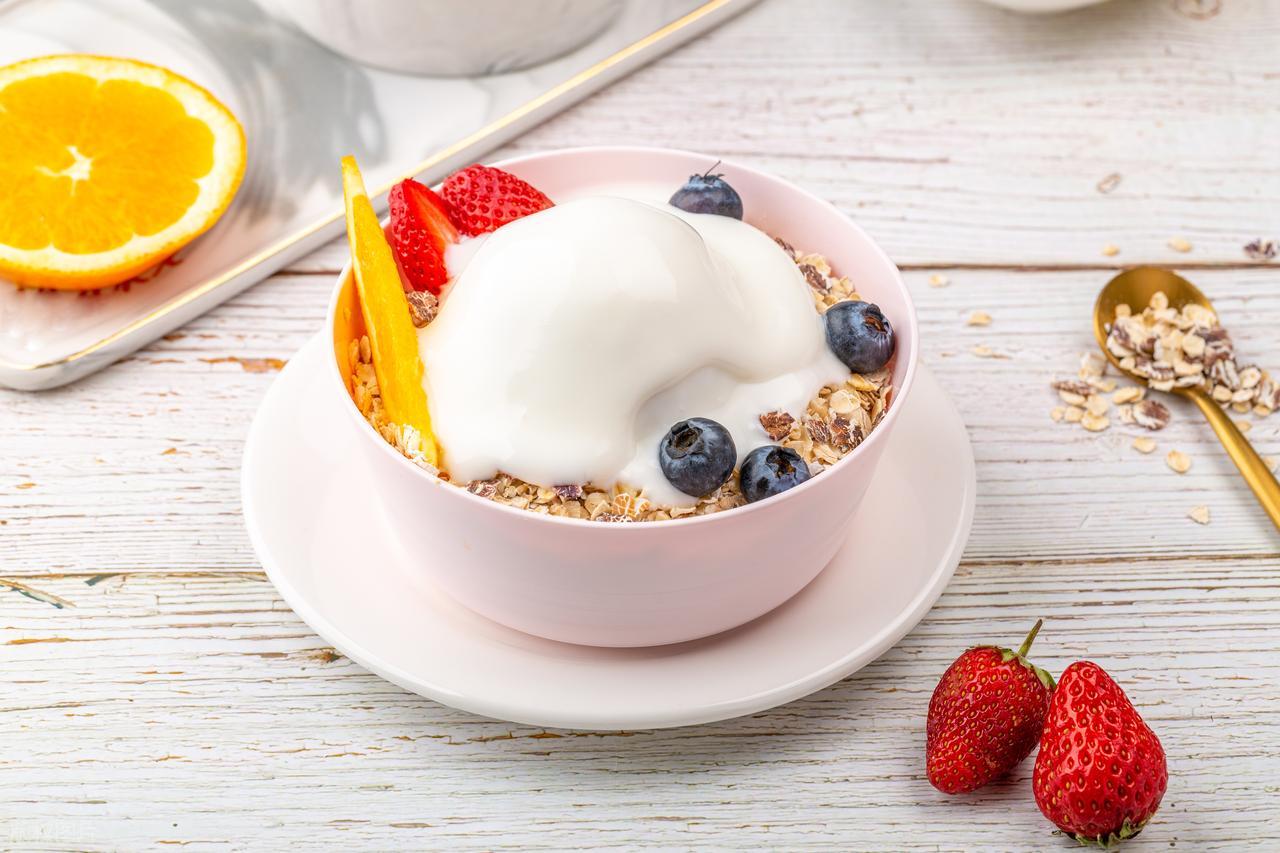
Additionally, traditional naturally fermented foods such as kimchi and miso can be consumed in moderation to supplement beneficial bacteria for the body.
Foods rich in dietary fiber should also be incorporated into the daily diet, such as oats, brown rice, broccoli, apples, onions, and bananas.
Dietary fiber serves as a "nutrient source" for beneficial intestinal bacteria, promoting their proliferation. Since there is a certain correlation between intestinal flora and vaginal flora, a balanced intestinal flora can indirectly support the immune function of the vaginal mucosa through immune regulation mechanisms, reducing the risk of inflammation.
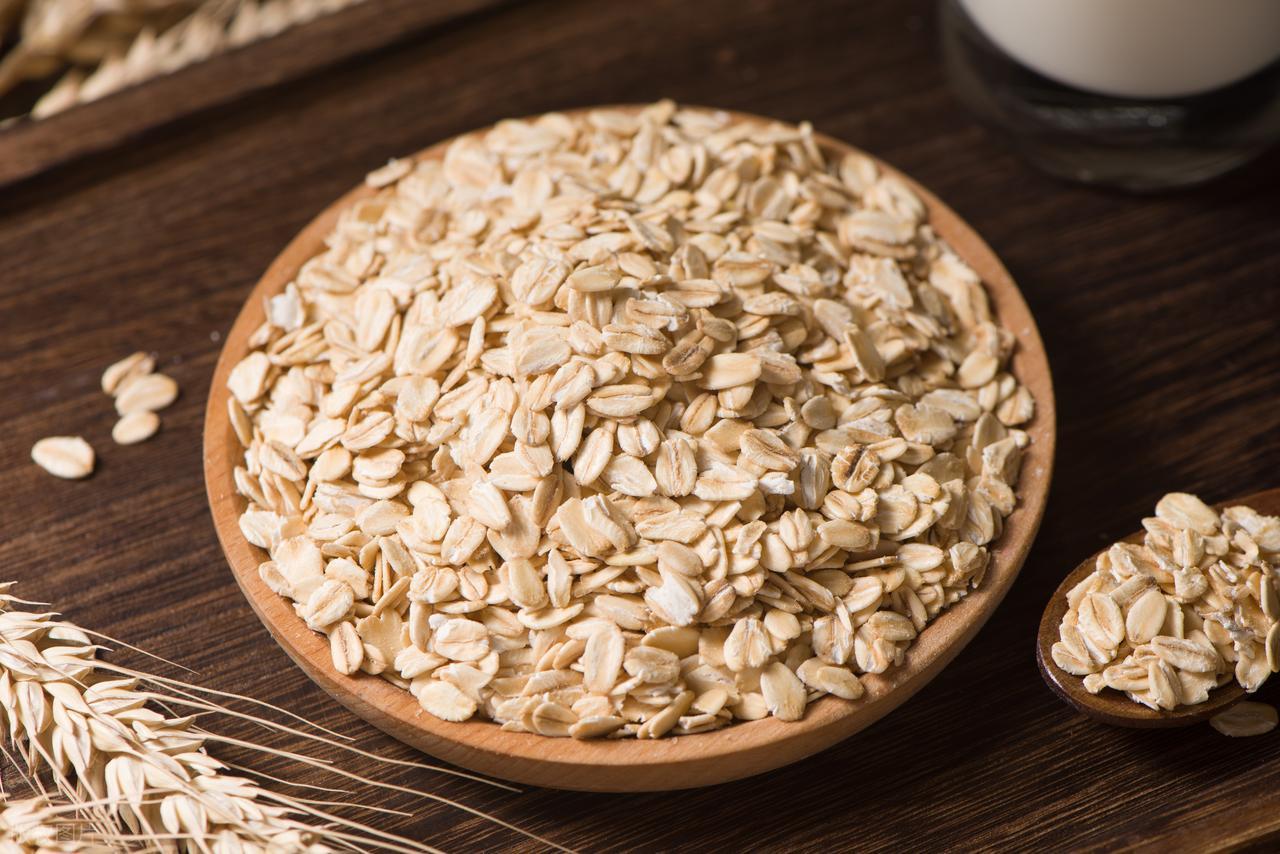
At the same time, dietary fiber can also promote intestinal peristalsis, reduce the absorption of harmful substances, and contribute to overall health improvement.
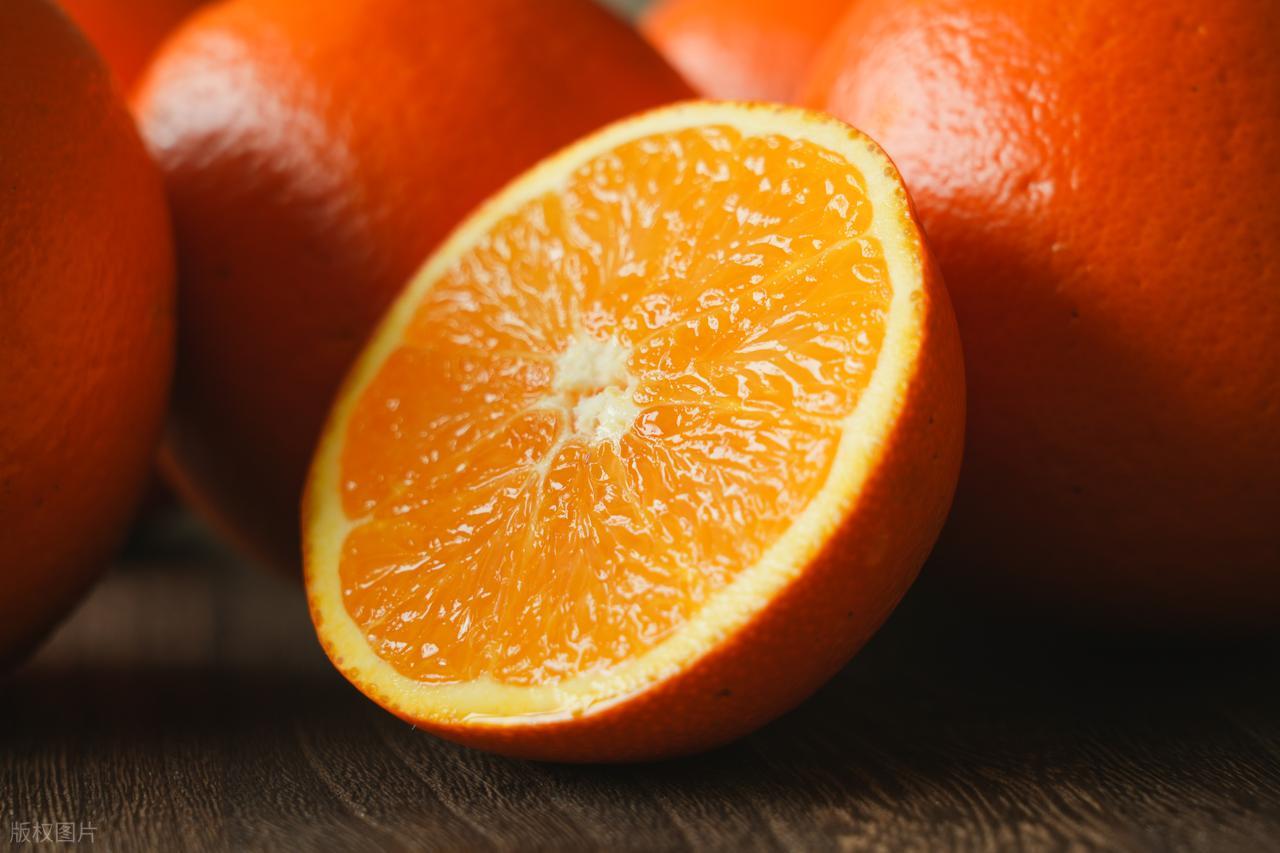
Foods rich in vitamins and antioxidants also have a positive effect on vaginal health, such as oranges, kiwis, strawberries, spinach, broccoli, blueberries, and walnuts.
Vitamin C can enhance immunity, aid in mucosal repair, and maintain the stability of the vaginal local microenvironment.
Vitamin A helps maintain the structural integrity of the vaginal mucosal epithelium.
Antioxidants can reduce the body's oxidative stress response, minimize the risk of inflammation in the genital mucosa caused by free radical damage, enhance immune cell activity, and work synergistically with beneficial bacteria to maintain a healthy vaginal microenvironment.
In addition to dietary adjustments, maintaining vaginal health also requires a balanced diet and ensuring adequate intake of high-quality protein, such as eggs, fish, soy products, etc., to support tissue repair and boost immunity.
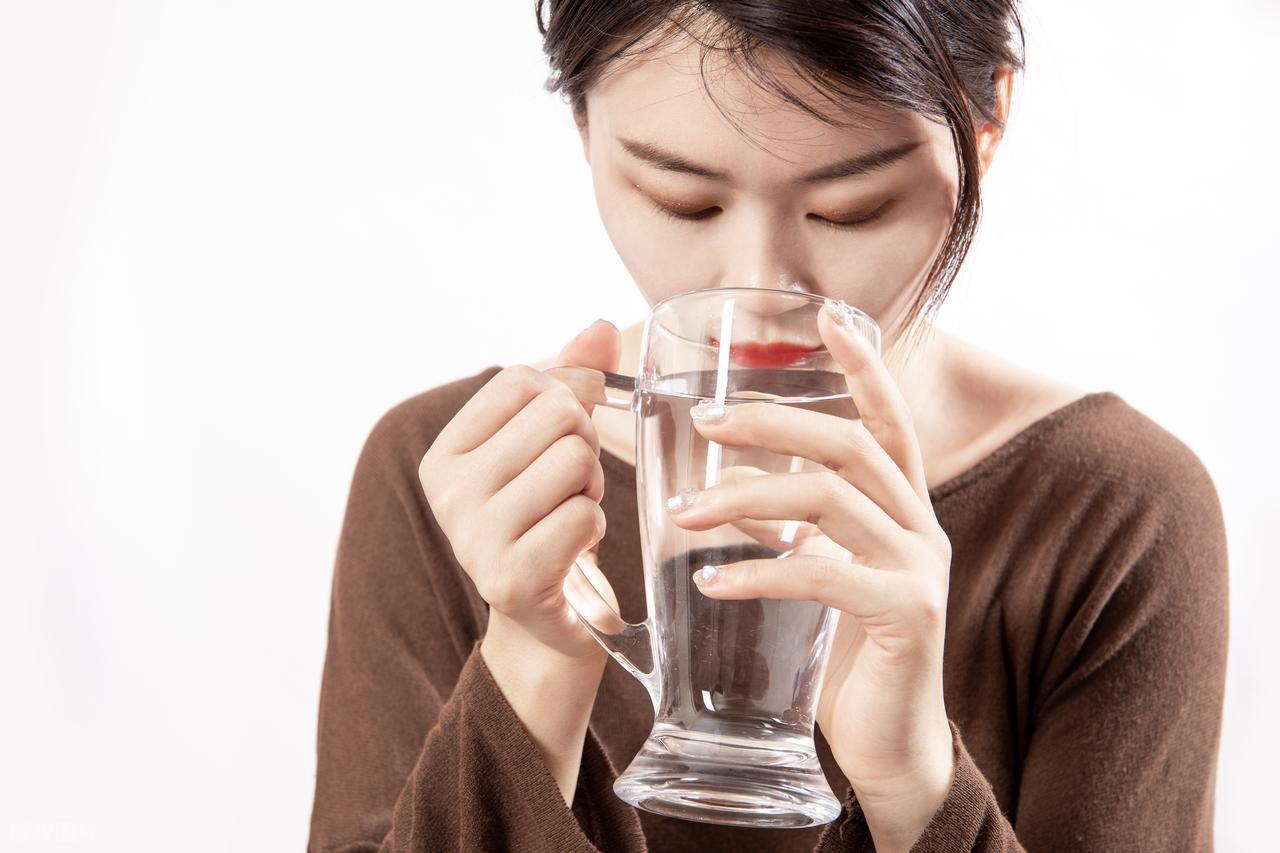
At the same time, it is essential to ensure adequate daily water intake—drinking at least eight glasses of water per day to promote toxin elimination from the body. This helps maintain vaginal moisture and acid-base balance, thereby avoiding infections caused by bacterial growth in the perineal area.
Prevention and treatment of vaginitis requires a multifaceted approach, with dietary regulation being an indispensable part of the process.
By strictly avoiding foods that are detrimental to vaginal health, such as those high in sugar, spicy, or greasy foods, and appropriately consuming more foods rich in probiotics, dietary fiber, and vitamins, you can help regulate the balance of the vaginal microbiome, enhance the body's immunity, and fundamentally reduce the recurrence of vaginitis.

It is important to note that dietary adjustments cannot replace formal medical treatment. When symptoms of vaginitis appear, it is essential to seek medical attention promptly and undergo standardized treatment under the guidance of a doctor. Combined with a scientific diet and good lifestyle habits, this approach can better maintain vaginal health and stay free from the troubles of inflammation.