Are Diabetes and Vaginitis Sister Diseases? Here's What You Should Know First About High Blood Sugar
Vaginitis is a common health issue among women, with about 75% experiencing it at least once in their lifetime. Many are unaware of the close connection between vaginitis and diabetes.
Women with poorly controlled blood sugar have significantly higher rates of vaginitis onset and recurrence, making the two conditions akin to "sister diseases."
Under normal conditions, various microorganisms exist in the female vagina, among which Lactobacillus predominates. They secrete lactic acid to maintain the vagina’s weakly acidic environment, with a pH value between 3.8 and 4.5. This environment effectively inhibits the growth and reproduction of harmful pathogens, forming a natural defense barrier for the vagina.

However, when blood sugar levels rise, this barrier is directly compromised.
Excessively high blood sugar leads to increased glycogen content in vaginal epithelial cells. The breakdown of glycogen further elevates the acidity within the vagina, creating an acidic environment that provides ideal conditions for pathogenic bacteria such as Candida to thrive. Overgrowth of Candida triggers fungal vaginitis, manifesting with typical symptoms like vulvar itching and discharge resembling bean curd residue.
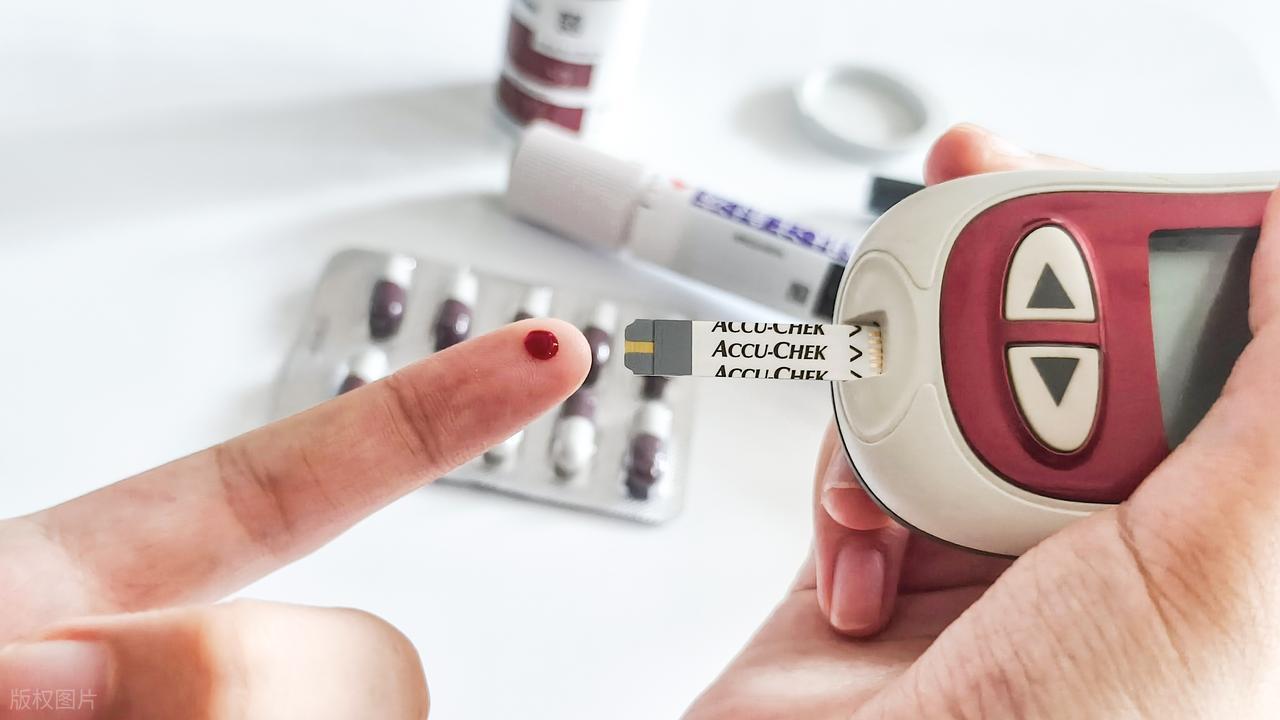
In addition to altering the vaginal environment, high blood sugar also indirectly increases the risk of vaginitis by weakening the body’s immune function.
When blood sugar control is poor, the function of white blood cells in the body becomes suppressed, reducing their ability to engulf and eliminate pathogens. This weakens the vagina's resistance to infection, making it easier for even small amounts of pathogenic bacteria to cause inflammation.
Simultaneously, a high blood sugar state promotes inflammatory responses within the body, making the symptoms of inflammation more pronounced and more difficult to resolve.
For diabetic patients, this dual effect means that vaginitis is not only more likely to occur but also tends to recur frequently. Many patients become trapped in a cycle of "treatment-relapse," which severely impacts their quality of life.

It is important to note that different types of vaginitis are affected by diabetes to varying degrees. Fungal vaginitis is the most common, primarily because *Candida* is more dependent on sugar. Bacterial vaginosis and trichomonal vaginitis are also associated with elevated blood sugar levels, which contribute to imbalances in the vaginal flora and decreased immunity.
When women experience recurrent vaginal infections, they often focus solely on gynecological treatments while overlooking blood sugar issues, leading to suboptimal outcomes. In fact, many discover abnormal blood sugar levels or even diabetes upon testing at this stage.

To stay away from both diseases simultaneously, the key lies in strictly controlling blood sugar levels.
Diabetic patients should follow their doctor's instructions for regular medication use, monitor blood glucose levels periodically, and maintain fasting blood glucose and 2-hour postprandial blood glucose within normal ranges. This helps reduce the abnormal accumulation of glycogen in the vagina at its source and maintain the balance of the vaginal microecology.
Even without a confirmed diagnosis of diabetes, it is important to pay attention to controlling the intake of high-sugar foods in daily life. Avoid consuming large amounts of sweets and sugary beverages over extended periods. This not only reduces the risk of developing diabetes but also lowers the likelihood of vaginal infections.

In terms of daily care, maintaining cleanliness and dryness of the vagina is crucial. Choose loose, breathable cotton underwear, change it daily, and wash and disinfect it by exposing it to sunlight after cleaning. Avoid wearing tight synthetic fiber underwear, which can lead to local dampness and heat buildup.
When cleaning the external genital area, simply rinse with warm water. There is no need to use various gynecological washes or perform vaginal douching. Over-cleaning can disrupt the normal balance of vaginal flora, increasing the risk of infection instead.

Wiping from front to back after using the toilet helps reduce contamination of the vagina by bacteria from the anal area. It is also important to clean the external genitalia of both partners before and after sexual activity to prevent cross-infection.
Following a standardized treatment plan is also crucial to preventing recurrence of the condition.
When symptoms such as vulvar itching, abnormal discharge, and odor occur, it is important to seek timely consultation at a regular hospital's gynecology department. Through examinations like routine vaginal discharge analysis, the type of vaginitis can be accurately identified, allowing for targeted medication.
For fungal infections, antifungal medications are required, while bacterial vaginosis necessitates anti-anaerobic drugs. Avoid self-medication blindly, as this may worsen the condition or lead to further microbial imbalance.

For patients with diabetes combined with vaginitis, it is essential to control blood glucose levels simultaneously while treating the vaginitis to ensure therapeutic effectiveness and reduce recurrence rates.
Additionally, regular physical examinations are indispensable.
Women should undergo an annual gynecological examination and routine vaginal discharge check, and diabetic patients should increase the frequency of these examinations to promptly detect potential infections.
At the same time, blood sugar should be regularly monitored. Even in the absence of typical diabetes symptoms such as increased thirst, frequent urination, excessive hunger, or weight loss, if vaginal infections recur frequently, blood sugar testing should be performed promptly to rule out the possibility of diabetes.
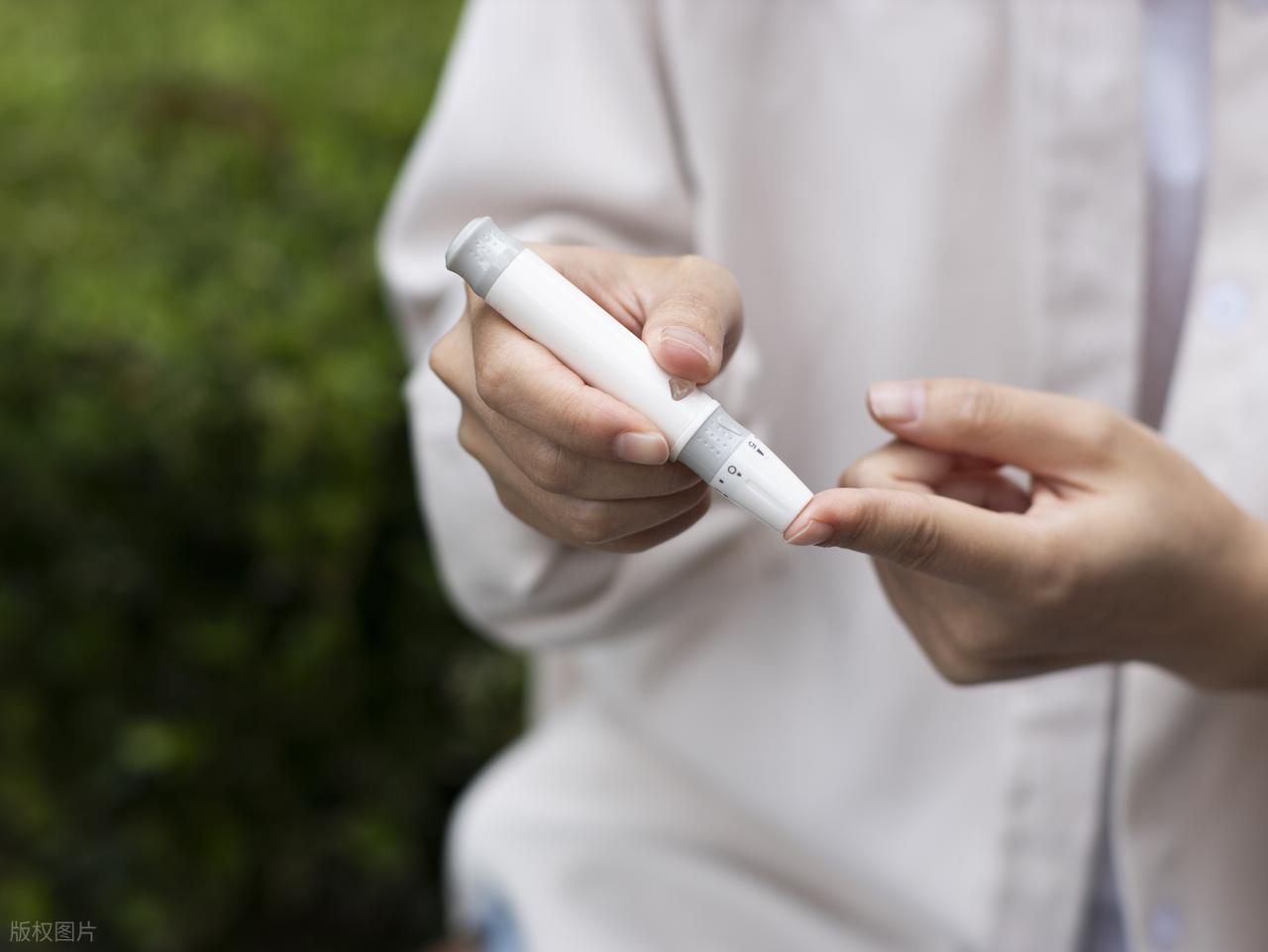
The link between diabetes and vaginitis is not coincidental; it is the inevitable result of abnormal blood sugar levels affecting the body's microecology and immunity.
For women, paying attention to blood sugar health means caring for reproductive health. By scientifically controlling blood sugar, practicing proper hygiene, and seeking timely treatment, it is possible to effectively break the connection between these two conditions, avoid the troubles of these "sister diseases," and protect one's health.