What Age is Considered Normal for Menopause? Be Alert to Both Early and Late Onset!
Menopause is a significant milestone in a woman's life, and many women wonder what age is considered normal for menopause. In fact, both early and late onset may indicate underlying health risks.
Menopause is essentially the failure of ovarian function, which prevents the production of sufficient estrogen and progesterone, leading to the cessation of menstruation. This is a natural physiological process marking a woman's transition from the reproductive period to the elderly stage.
According to authoritative medical sources, the average age of menopause for Chinese women is 49.5 years old, with 80% of women entering menopause between the ages of 44 and 54. Menopause within this age range is generally considered a normal physiological phenomenon and does not require excessive concern.

The age of menopause is influenced by various factors. Genetic factors, for instance, are a significant determinant, with the menopausal age of one's mother or sisters serving as an important reference point.
Additionally, lifestyle habits, nutritional status, and smoking can also impact the age of menopause. Women who smoke may experience menopause 1-2 years earlier.

It is crucial to be alert to premature menopause, which typically refers to the onset of menopause before the age of 40.
Premature menopause signifies an early decline in ovarian function, which can pose multiple risks to women's health.
Due to the premature decline in estrogen levels, the loss of calcium from bones accelerates, significantly increasing the risk of osteoporosis and even potentially leading to fractures.

Simultaneously, the risk of cardiovascular diseases also rises because estrogen provides a certain protective effect on the cardiovascular system.
Additionally, premature menopause may lead to decreased skin elasticity, mood swings, vaginal dryness, and other issues that impact quality of life.
Causes of premature menopause include autoimmune diseases, ovarian surgery damage, chronic excessive mental stress, etc. If menstruation ceases for 12 consecutive months before age 40, prompt medical evaluation is necessary.
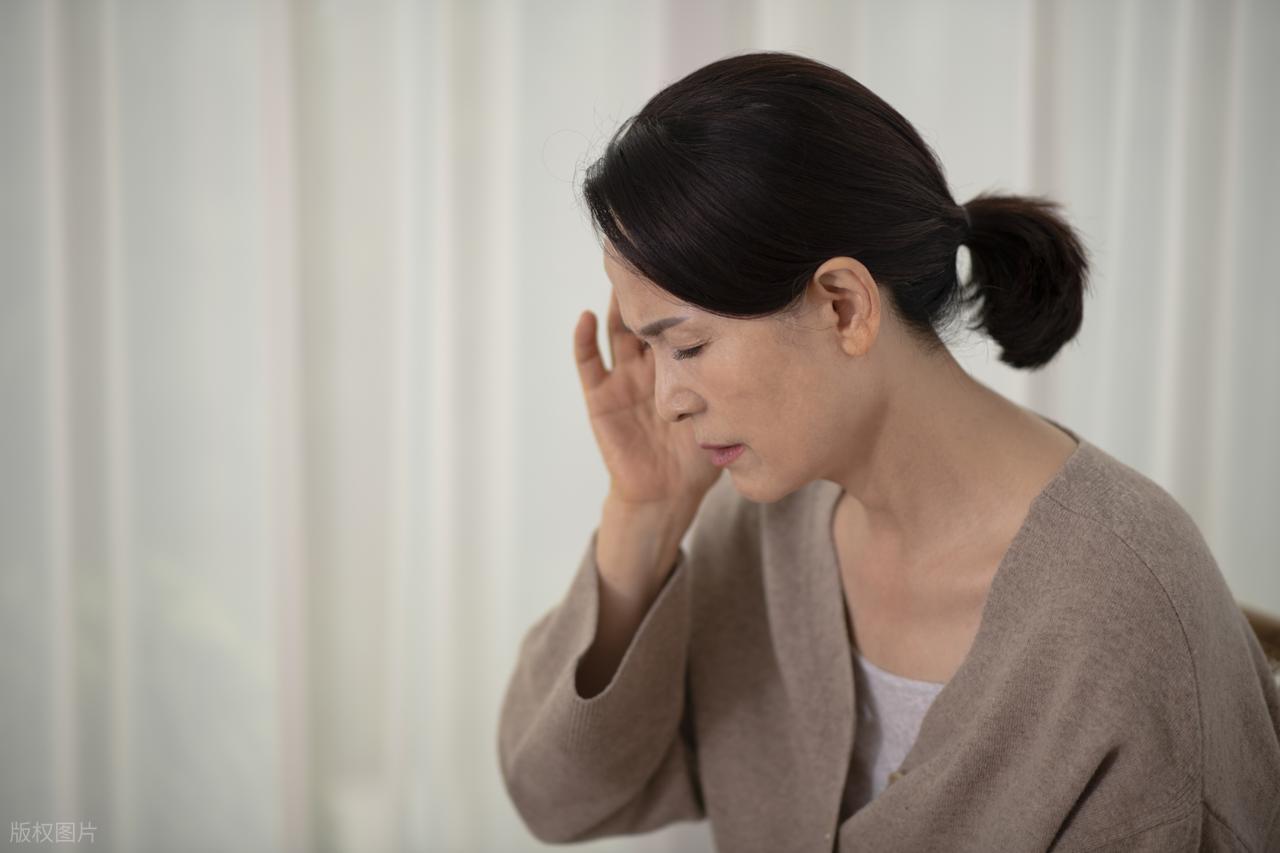
Similarly, experiencing menopause too late is also not ideal, typically referring to those who have not yet undergone menopause after the age of 55.
Women who experience late menopause face an increased risk of certain diseases due to prolonged and continuous estrogen secretion from their ovaries.
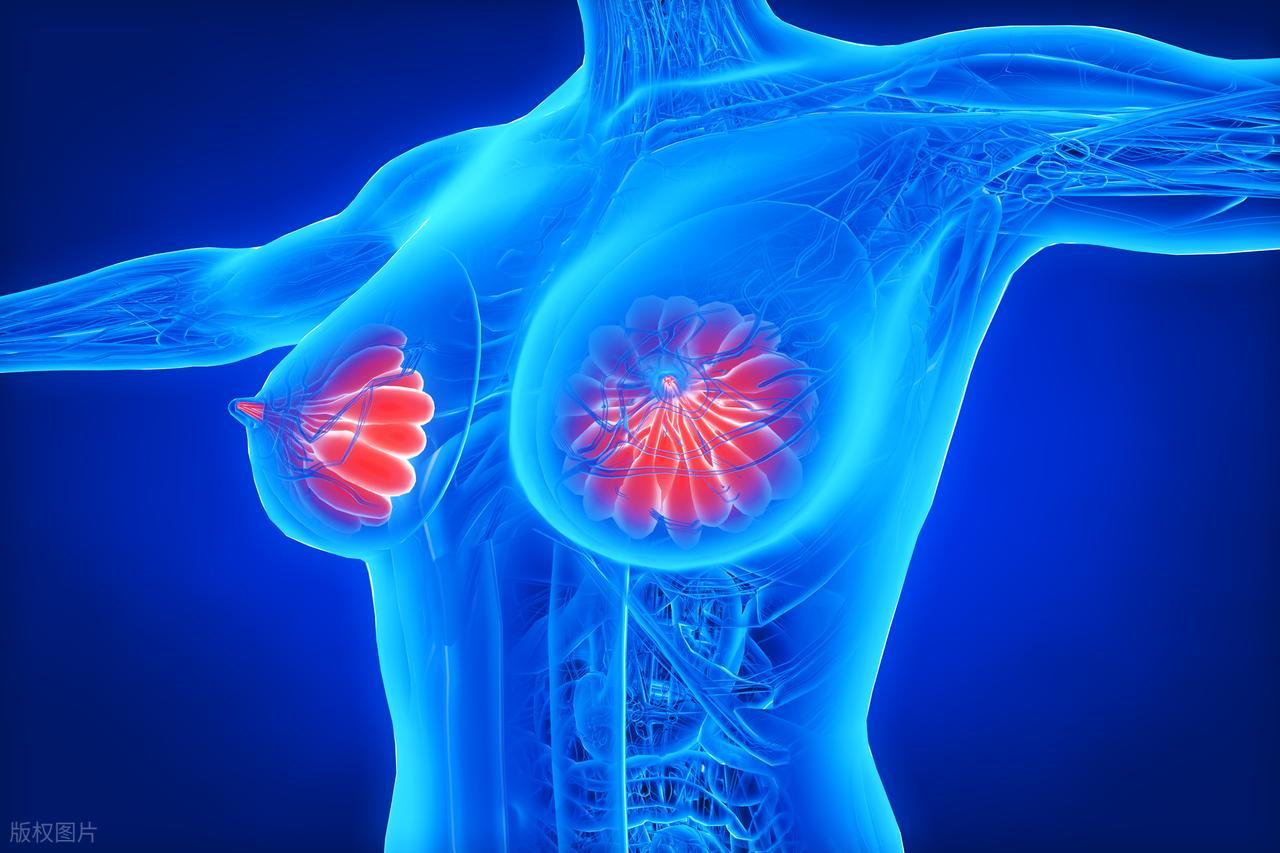
Extended estrogen stimulation may elevate the chances of developing endometrial cancer and breast cancer, as estrogen promotes the proliferation of the endometrium and breast tissue. Excessive proliferation can heighten the risk of cancerous transformation.
Additionally, late menopause may be accompanied by symptoms such as irregular menstruation and excessive menstrual flow, causing discomfort and distress for women.
If regular menstruation persists after the age of 55, or if vaginal bleeding recurs after menopause, it is essential to seek medical evaluation promptly to rule out potential organic pathologies.
For women within the normal menopausal age range, there is no need to be overly anxious, as this is a natural physiological process.
Around the time of menopause, it is important to maintain a healthy lifestyle, eat a balanced diet, and consume foods rich in calcium and vitamin D to prevent osteoporosis.
Moderate exercise, such as brisk walking or tai chi, can help maintain physical health and emotional stability.

Additionally, pay attention to changes in your body. If you experience severe menopausal symptoms, such as hot flashes, night sweats, or insomnia, that interfere with daily life, seek scientific intervention under the guidance of a doctor.
Menopause is a natural physiological transition for women, but the normal age range is crucial. Both early and late onset warrant attention.
Pay attention to the age of menopause, detect abnormalities promptly, and seek medical care to better safeguard your health.