Don't Just Supplement Calcium During Menopause! Avoiding 3 Types of Food Is More Important Than Taking Supplements
Many women rush to supplement calcium as soon as they enter menopause but overlook dietary restrictions. In fact, avoiding three types of food is more effective for navigating this stage smoothly than blindly taking supplements.
Menopause is a crucial physiological transition period for women. The decline in ovarian function leads to decreased estrogen levels, resulting in a series of bodily changes such as hot flashes, sweating, mood swings, and calcium loss from bones.

Most people focus solely on calcium supplementation to prevent osteoporosis, but they are unaware that improper diet can worsen these discomforts and even lead to other health issues.
By scientifically avoiding harmful foods and combining them with reasonable nutritional supplementation, one can better cope with the challenges of menopause.
The first type to avoid is high-sodium foods.
Menopausal women experience weakened metabolic capacity and a decline in the kidneys' ability to regulate sodium levels. Prolonged excessive salt intake can lead to water and sodium retention, causing body edema and elevated blood pressure.

Relevant studies show that a high-salt diet can accelerate calcium loss from bones, exacerbating the risk of osteoporosis in menopausal women who are already vulnerable to this condition, while also potentially worsening common menopausal symptoms such as headaches and dizziness.
In daily diets, pickled foods, processed meats, and convenience foods are major sources of high salt intake. It is recommended to limit total daily salt consumption to less than 6 grams, and opt for cooking methods such as steaming, boiling, or stewing to reduce the use of sauces and seasonings.

The second category to avoid is spicy and stimulating foods.
Spicy foods like chili peppers, Sichuan peppercorns, and raw garlic, as well as coffee, strong tea, and alcoholic beverages, can all stimulate the nervous system and increase excitement.
Women during menopause are already prone to emotional instability, insomnia with vivid dreams, hot flashes, and night sweats. These types of foods can further exacerbate the sensitivity of the nervous system, making irritability and poor sleep quality even more severe.

Alcohol can also affect liver metabolism, reducing calcium absorption efficiency, and long-term consumption may increase the risk of osteoporosis and cardiovascular diseases. Certain components in coffee and strong tea can also hinder intestinal calcium absorption, which is detrimental to bone health.

The third category that requires caution is high-sugar and highly processed foods.
Women in menopause may experience decreased insulin sensitivity. Excessive consumption of sweets, sugary beverages, white rice, white bread, and other refined carbohydrates can cause rapid fluctuations in blood sugar levels, which not only increases the risk of obesity but may also elevate the likelihood of developing diabetes.
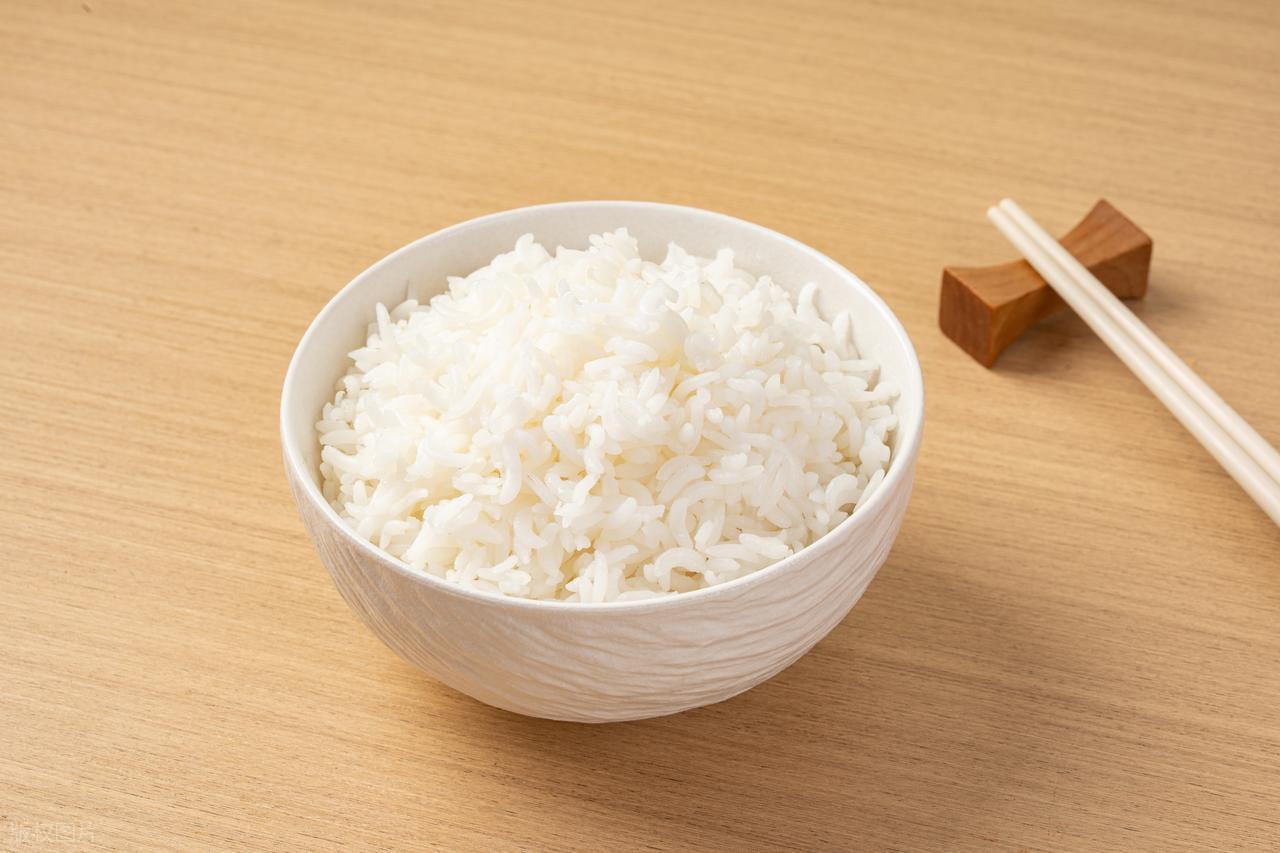
Additionally, a high-sugar diet can disrupt the balance of gut microbiota, impair the body's ability to absorb nutrients, and potentially exacerbate inflammatory responses, making issues like joint pain and poor skin condition more pronounced.
It is recommended to replace some refined staple foods with whole grains, legumes, and tubers, reduce the intake of added sugars, opt for natural ingredients in daily meals, and avoid hidden sugars found in processed foods.

The core of dietary regulation during menopause is "avoiding harm + nourishing." In addition to avoiding the three types of foods mentioned above, it's important to ensure a balanced diet and consume foods rich in high-quality protein, dietary fiber, vitamins, and minerals, such as lean meat, fish and shrimp, eggs, fresh fruits and vegetables, and soy products.
While supplementing calcium, it's also essential to pay attention to vitamin D intake to promote calcium absorption, which can be obtained through sun exposure or dietary sources.
Many women are eager to alleviate discomfort with supplements during menopause but often overlook the foundational role of diet.
In fact, a healthy dietary structure is more effective at fundamentally regulating the body and reducing discomfort than expensive supplements.
Avoid harmful foods to relieve the body of unnecessary burdens. Coupled with moderate exercise and a positive mindset, this approach enables a smoother and healthier transition through menopause.