Women After Age 45, Do Not Stop Taking Folic Acid Indiscriminately! Many People Are Unaware
Most women only know to supplement with folic acid during pregnancy and stop after age 45. In fact, supplementing with folic acid at this stage offers many benefits for the body.
When it comes to folic acid, many people only associate it with pregnancy, considering it a nutrient exclusive to pregnant women. Once past pregnancy or after reaching age 45, they often believe there is no longer a need for supplementation.
This notion is actually incorrect. For women over 45, as their bodies gradually enter a new stage, with changing hormone levels and slowing metabolism, the need for folic acid does not diminish. Instead, it plays an even more crucial role. Randomly discontinuing folic acid may cause them to miss out on many health benefits.

First and foremost, supplementing with folic acid after the age of 45 can help prevent megaloblastic anemia in women.
As women age, their digestive and absorption functions gradually weaken, leading to a reduced ability to absorb folic acid. Additionally, some women may have insufficient intake of folic acid from their diet due to factors such as weight-loss diets or imbalanced eating habits.
Folic acid is a key component in red blood cell production. A deficiency can impair the maturation of red blood cells, leading to megaloblastic anemia.
This type of anemia can cause symptoms such as fatigue, dizziness, pale complexion, palpitations, and shortness of breath, severely affecting daily life.
Timely supplementation of folic acid provides sufficient support for red blood cell production, effectively reducing the risk of this type of anemia.
Secondly, folic acid also plays an important protective role in cardiovascular health.
After the age of 45, the risk of cardiovascular disease in women gradually increases, and folic acid can play a positive role in this regard.
Folic acid participates in the metabolic process of homocysteine. When there is a deficiency of folic acid in the body, the metabolism of homocysteine becomes impaired, leading to an increase in its concentration in the blood.
Elevated homocysteine is a significant risk factor for cardiovascular diseases, as it damages vascular endothelial cells, promotes the formation of atherosclerosis, and increases the likelihood of conditions such as hypertension and coronary heart disease.

Supplementing with folic acid can enhance the metabolism of homocysteine, reduce its level in the blood, thereby mitigating damage to the cardiovascular system and playing a protective role in cardiovascular health.
For women who gradually enter menopause after the age of 45, folic acid can also help regulate mood to some extent.
Due to declining estrogen levels, menopausal women are prone to menopausal syndrome symptoms such as mood swings, anxiety, depression, and insomnia.
Folic acid is involved in the synthesis of neurotransmitters in the nervous system, such as serotonin and dopamine. These neurotransmitters play a crucial role in maintaining emotional stability and improving sleep quality.
When folic acid is deficient, the synthesis of neurotransmitters can be affected, potentially worsening emotional issues during menopause.
Moderate supplementation of folate can provide raw materials for the synthesis of neurotransmitters, helping to alleviate adverse emotions during menopause and improve sleep quality.
However, for women over 45, folate supplementation requires careful consideration. It is not a case of "the more, the better"—the key lies in scientific and appropriate supplementation.
Women over 45 can first obtain folate through diet. Foods rich in folate include dark green vegetables (such as spinach, broccoli, and romaine lettuce), citrus fruits (such as oranges and grapefruit), legumes (such as soybeans and black beans), and nuts (such as walnuts and cashews).

It is important to note that folate is easily destroyed by high temperatures. When cooking vegetables, it is recommended to use methods like quick stir-frying or blanching followed by cold dressing to minimize folate loss.
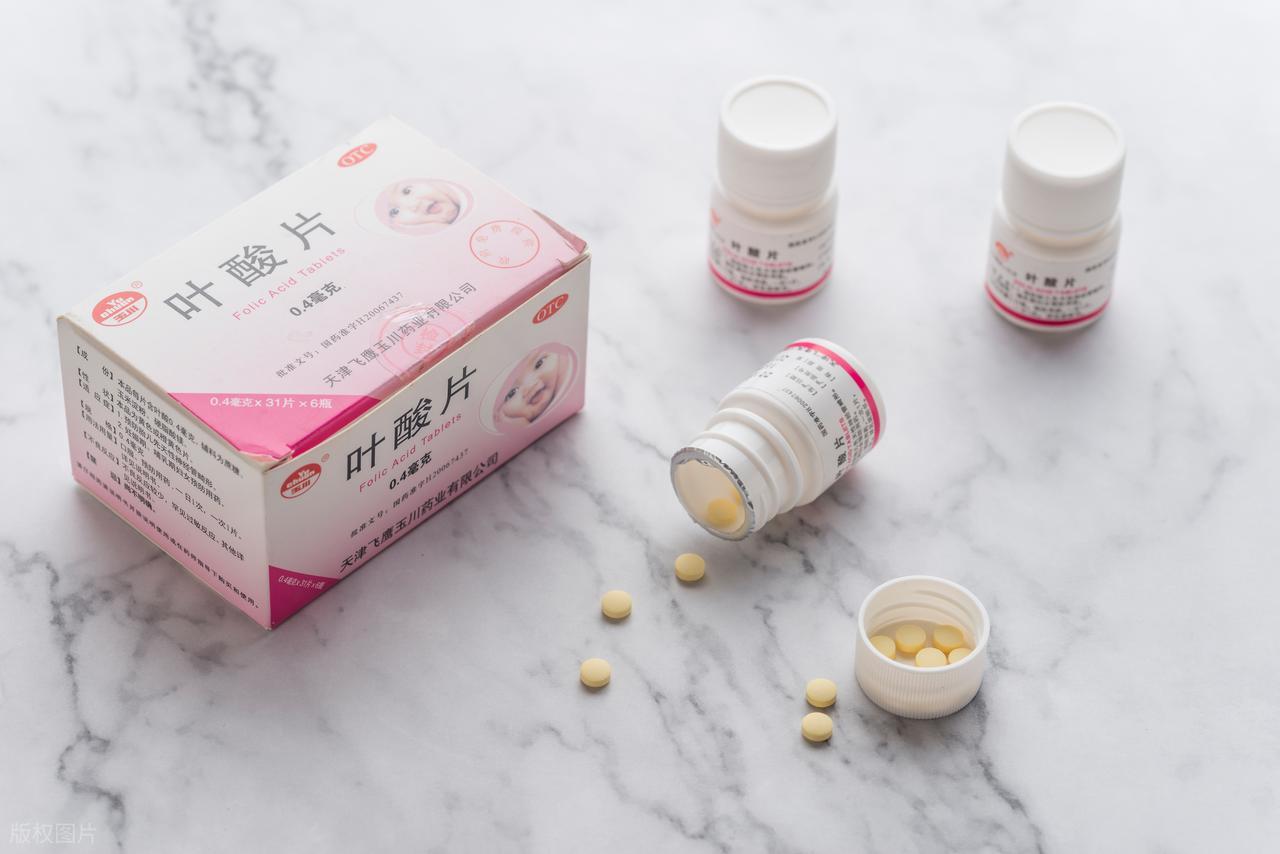
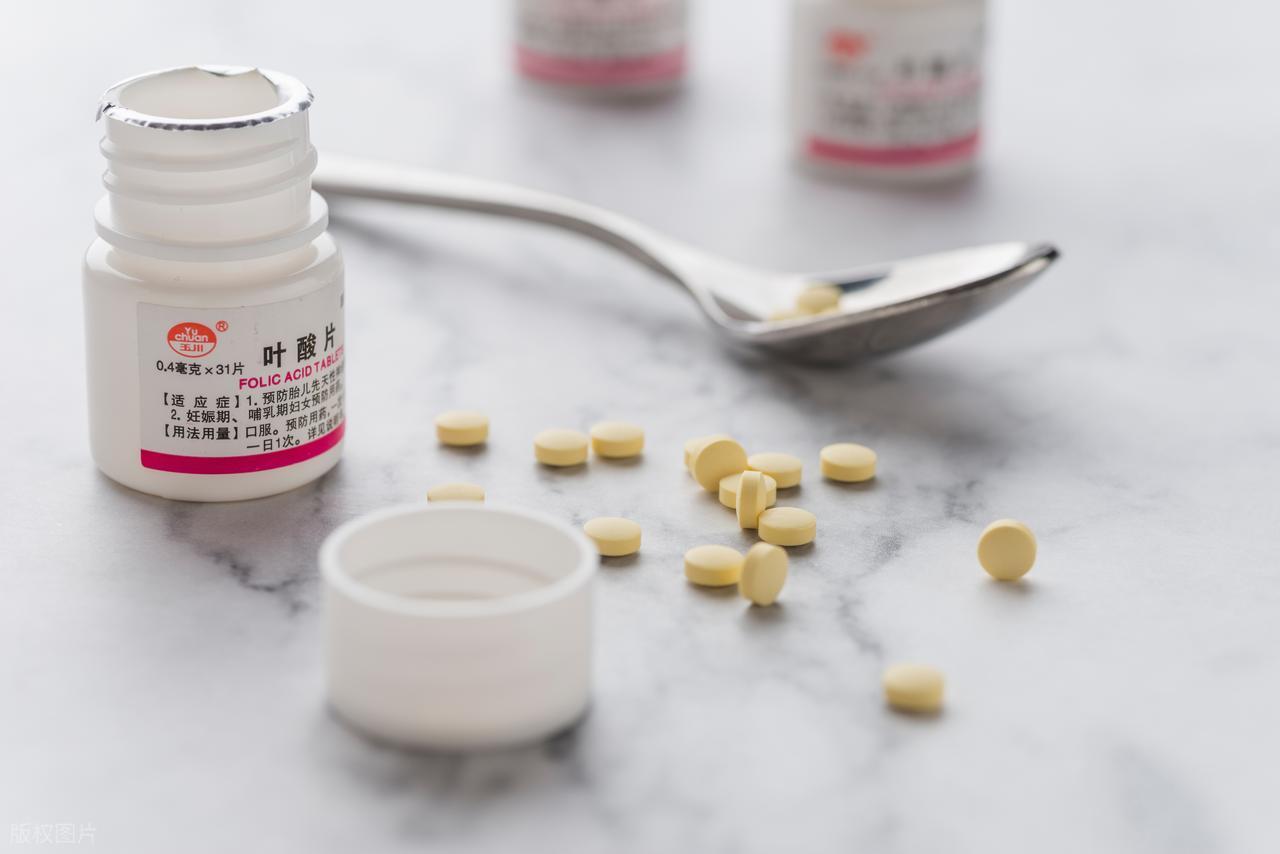
If dietary intake cannot meet the needs, or in cases of poor digestion and absorption, a family history of cardiovascular disease, or obvious menopausal symptoms, folic acid supplements can be taken under the guidance of a doctor or nutritionist.
It is important to note that excessive intake of folic acid may mask the symptoms of vitamin B12 deficiency, delay diagnosis and treatment, and may also cause discomfort such as nausea and bloating, so it is essential to avoid excessive self-supplementation.

Many women over 45 neglect folic acid supplementation, thereby missing out on the health benefits it provides.
Folic acid is not exclusive to pregnancy; it plays an important role in women across different age groups.
After the age of 45, women should pay closer attention to their nutritional needs, supplement with folic acid scientifically, and protect their health.