Just Pregnant and Mother-in-Law Urges You to Start Tonic Supplements? Doctor: These 4 Types of Food Must Be Avoided Completely
After becoming pregnant, elders at home often urge expectant mothers to consume more tonics, believing this will help the fetus develop well. However, excessive supplementation during pregnancy is not always beneficial, especially during the first three months. Embryo development follows specific patterns, and blindly consuming certain foods may not only be unhelpful but could also pose risks to both the mother and the fetus.
First and foremost, it is crucial to understand that raw or undercooked foods must be completely avoided.
For example, sashimi, raw oysters, soft-boiled eggs, undercooked meats and seafood may carry pathogens such as Toxoplasma gondii and Salmonella.
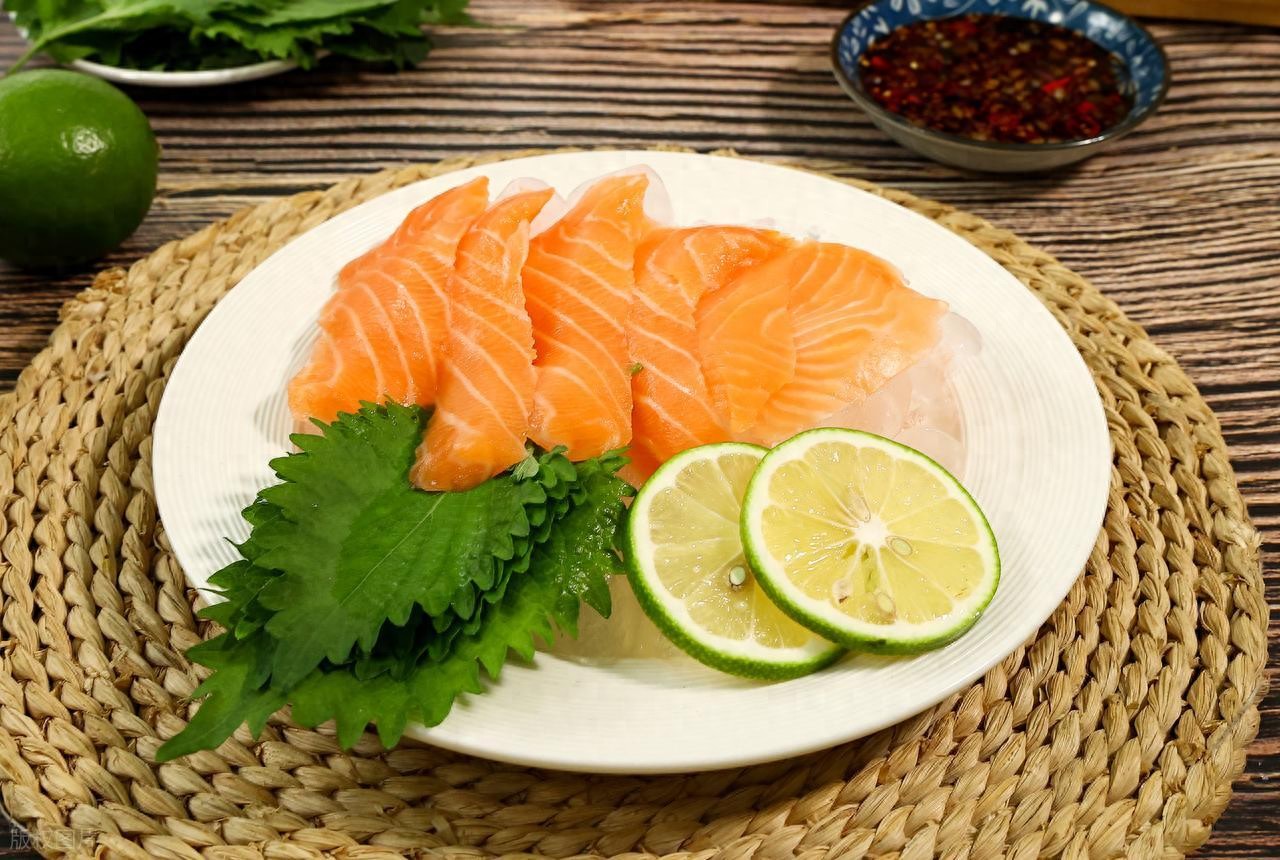
Pregnant women infected with Toxoplasma gondii may experience fetal malformations, miscarriage, or preterm birth.
Salmonella infection can cause vomiting and diarrhea, potentially leading to dehydration in severe cases and affecting fetal nutrition supply.
All meats and seafood must be thoroughly cooked, and eggs should be boiled until the yolk is completely solidified before consumption.
Secondly, avoid fish with high mercury content.
Large predatory fish such as shark, swordfish, and tuna contain high levels of mercury. Mercury can affect fetal nervous system development, leading to issues like intellectual disability and developmental delays.
During pregnancy, it is recommended to choose low-mercury fish such as crucian carp, perch, and salmon, consuming them 2-3 times per week, with each serving ideally limited to 100-150 grams.
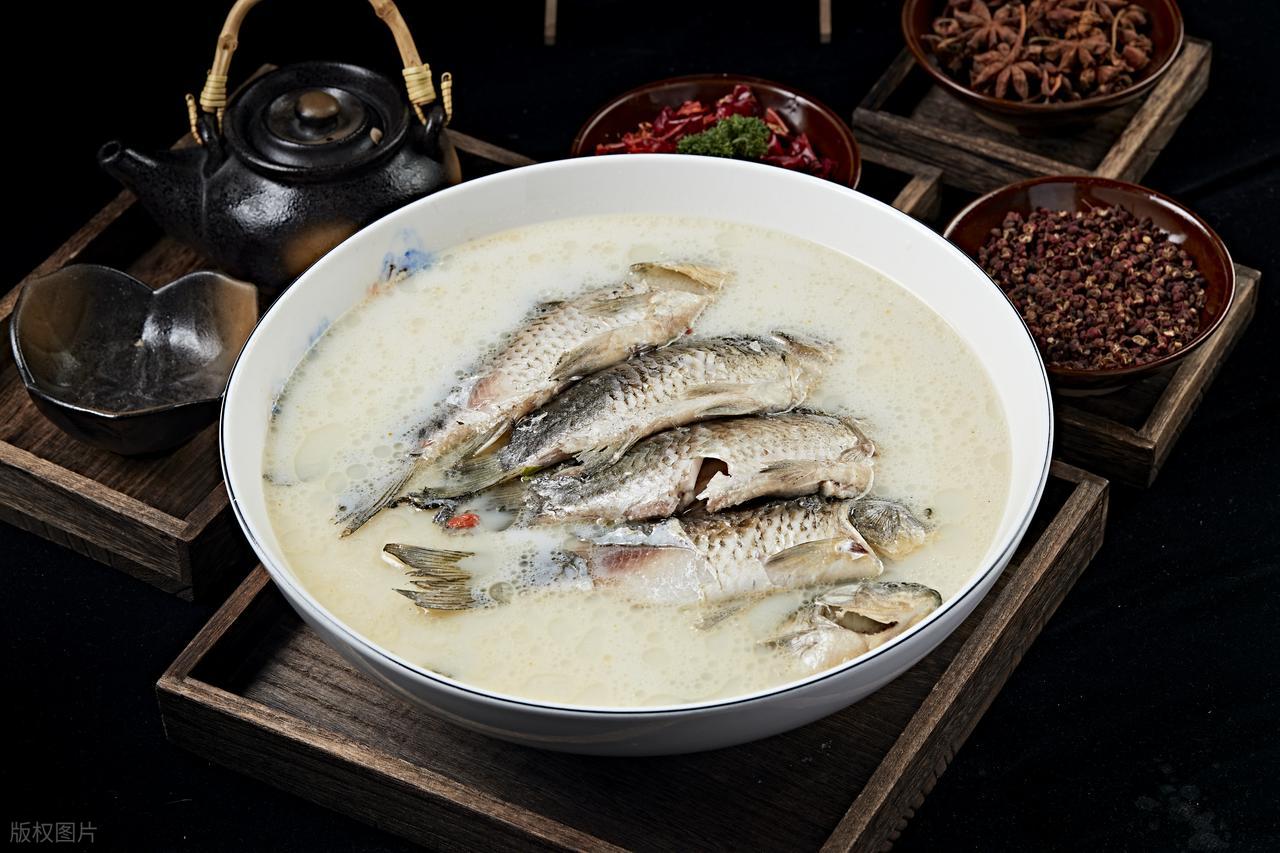
Thirdly, spicy, irritating, and raw or cold foods should be consumed sparingly or avoided altogether.
Spicy foods such as chili peppers, Sichuan peppercorns, raw garlic, etc., may irritate the gastrointestinal tract, causing stomach pain and diarrhea. Particularly during pregnancy, digestive function may be weakened, and excessive consumption can easily worsen discomfort;
Raw and cold foods like ice cream, chilled beverages, and raw salads may cause gastrointestinal spasms and could also carry bacteria, increasing the risk of infection.
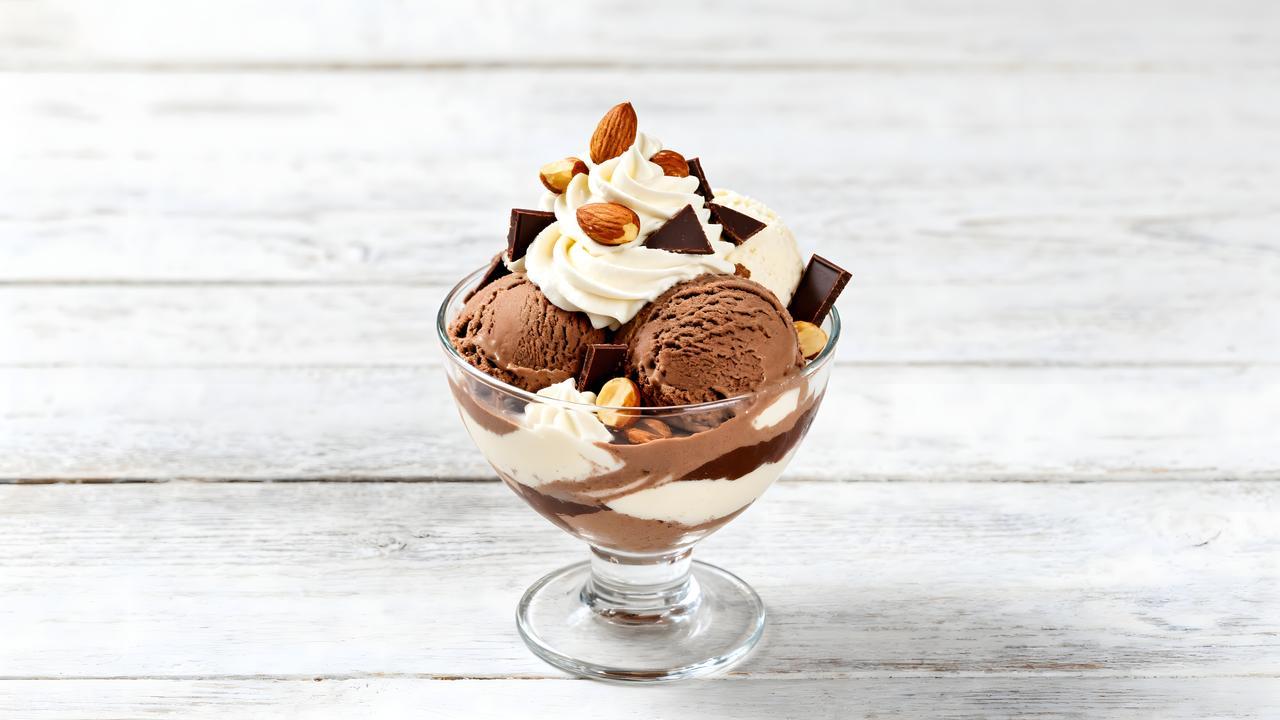
Furthermore, spicy foods may trigger internal heat, leading to constipation. Straining too hard due to constipation during pregnancy may increase the risk of miscarriage.
Fourth, high-sugar, high-fat, and pickled foods should be strictly controlled.
Foods high in sugar, such as cakes, milk tea, and candy, can cause elevated blood sugar in pregnant women if consumed excessively, increasing the risk of gestational diabetes. This may also lead to fetal macrosomia, complicating delivery.
Foods high in fat, such as fried foods and fatty meat, may contribute to excessive weight gain in pregnant women and increase the risk of hyperlipidemia
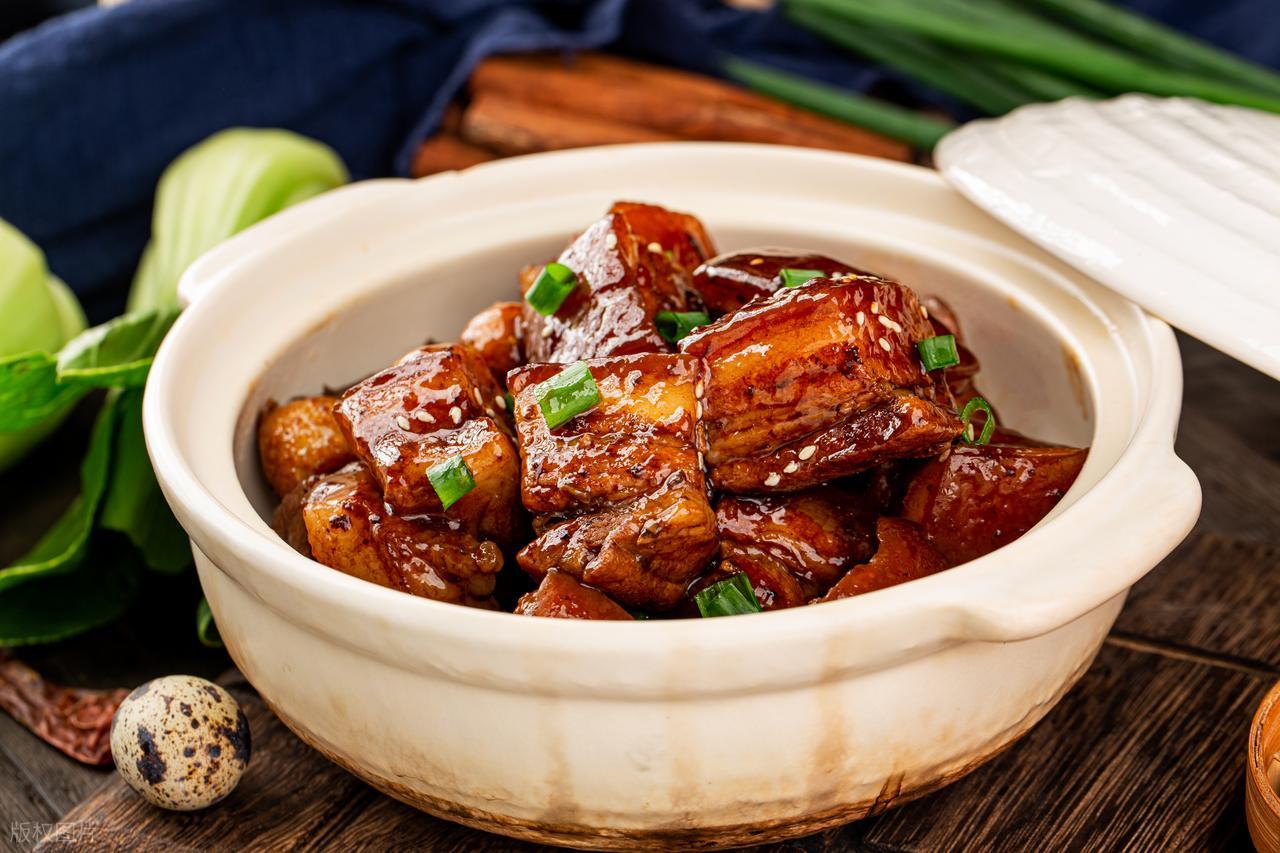
Pickled foods such as salted vegetables, cured meats, and canned goods are high in salt content, which may lead to edema and elevated blood pressure in pregnant women. Additionally, harmful substances like nitrites can be generated during the pickling process, posing risks to both maternal and fetal health.
The core of pregnancy diet is light, balanced, and nutritious; there is no need to deliberately consume large amounts of supplements.
It is recommended to eat more fresh vegetables, fruits, whole grains, high-quality proteins, and foods rich in calcium and iron. Follow the principle of "eating smaller, more frequent meals" and avoid overeating.
If you are unsure whether a certain food is suitable to eat, consult your obstetrician or nutritionist. Do not blindly follow folk remedies or the advice of elders based solely on experience.