Men also have menopause! Why do women always get sick more often than men? The key factor is here
When it comes to menopause, many people immediately think of women, assuming it is a "stage exclusive to women." However, men can also experience menopause.
In daily life, many people notice that women seem to fall ill more frequently than men. What exactly is the reason for this? The key factors are actually hidden in physiological characteristics and hormonal changes.
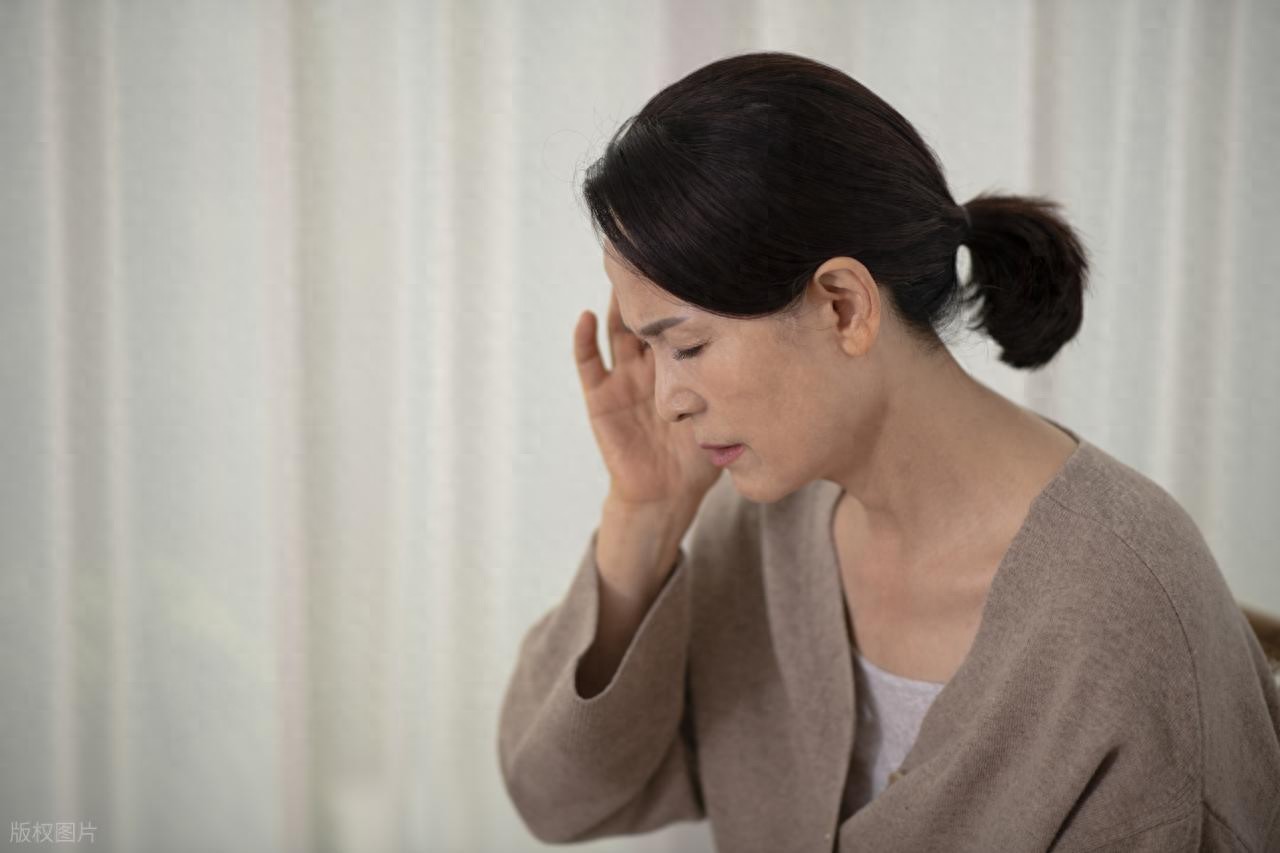
First, let’s talk about male menopause, medically known as late-onset hypogonadism. It typically occurs between the ages of 40 and 60 and is mainly caused by a gradual decline in testosterone levels in the body.
Testosterone is the core hormone in males, affecting not only reproductive functions but also muscle mass, bone density, mood, and energy levels.
Unlike the distinct marker of menopause in women, male menopause has no obvious signs, and its symptoms are more subtle. It may gradually manifest as fatigue, insomnia, low mood, decreased libido, muscle soreness, and other symptoms, making it easy to dismiss as "normal signs of aging" and often overlooked.

Why do people generally perceive women as getting sick more often than men?
Firstly, differences in hormonal fluctuations.
Women go through stages such as menstruation, pregnancy, childbirth, and menopause throughout their lives, during which estrogen and progesterone levels fluctuate dramatically.

For example, estrogen regulates the immune system. After menopause, estrogen levels plummet sharply, leading to weakened immunity and increased risks of osteoporosis and cardiovascular diseases.
Male testosterone, on the other hand, declines gradually. Hormonal changes have a relatively mild impact on the body and do not immediately trigger significant health issues.
The second reason lies in physiological differences.
The female urethra is short and straight, located close to the anus and vagina, making it easier for bacteria to invade. As a result, the likelihood of urinary tract infections is much higher in women than in men.
The female reproductive system is also more complex and is more susceptible to issues such as gynecological inflammation and uterine fibroids. These are among the reasons why women visit doctors more frequently.

There is also a difference in lifestyle habits and awareness of seeking medical care.
Typically, women pay more attention to changes in their bodies and proactively go for medical checkups even at the slightest discomfort, allowing them to detect minor issues early;
On the other hand, men often adopt a mindset of "toughing it out," believing that minor pains or illnesses don’t require treatment and only seek medical help when symptoms become severe, creating the illusion that "men get sick less often."

It’s important to remind everyone that, regardless of gender, changes in the body should not be taken lightly.
When women enter menopause, they should focus on calcium supplementation and regularly undergo bone density and gynecological examinations;
If men experience prolonged fatigue and low mood, they can also get their testosterone levels checked at the hospital and make adjustments under a doctor's guidance.

At the same time, maintaining a regular routine, a balanced diet, and moderate exercise are key to preserving health for both men and women, helping us better cope with the body's natural changes.