Why Are Women Less Willing to Engage in Marital Intimacy After Menopause? 3 Reasons Both Men and Women Should Understand
The distance women feel toward marital intimacy after menopause is not a lack of love, but rather an inevitable outcome of multiple physical and psychological changes. These three core reasons deserve joint attention from both men and women.
After menopause, the decline in ovarian function leads to a significant drop in estrogen levels, which is the primary physiological reason women become less willing to engage in marital intimacy.
Estrogen is crucial for the health of the female reproductive system, as it helps maintain the thickness and elasticity of the vaginal epithelium and promotes the secretion of lubricating fluids.
As estrogen levels decline, the vaginal mucosa gradually becomes thinner and less elastic, leading to a significant reduction in lubricating fluid production and even causing dryness.

These physiological changes can cause pain or discomfort during intercourse. After experiencing this repeatedly, women naturally develop resistance to sexual activity.
At the same time, the decrease in estrogen also affects the sensitivity of the sexual organs, making it difficult to become aroused. Even with intimate contact, it is challenging to experience pleasure, further diminishing interest in sexual activity.
Psychological changes should not be overlooked either, as body image anxiety and shifts in role perception profoundly influence women's attitudes.
Menopause is often accompanied by signs of aging such as sagging skin, increased wrinkles, and weight changes. Many women develop negative perceptions of their bodies as a result, feeling they are no longer attractive and consequently losing confidence in intimate relationships.
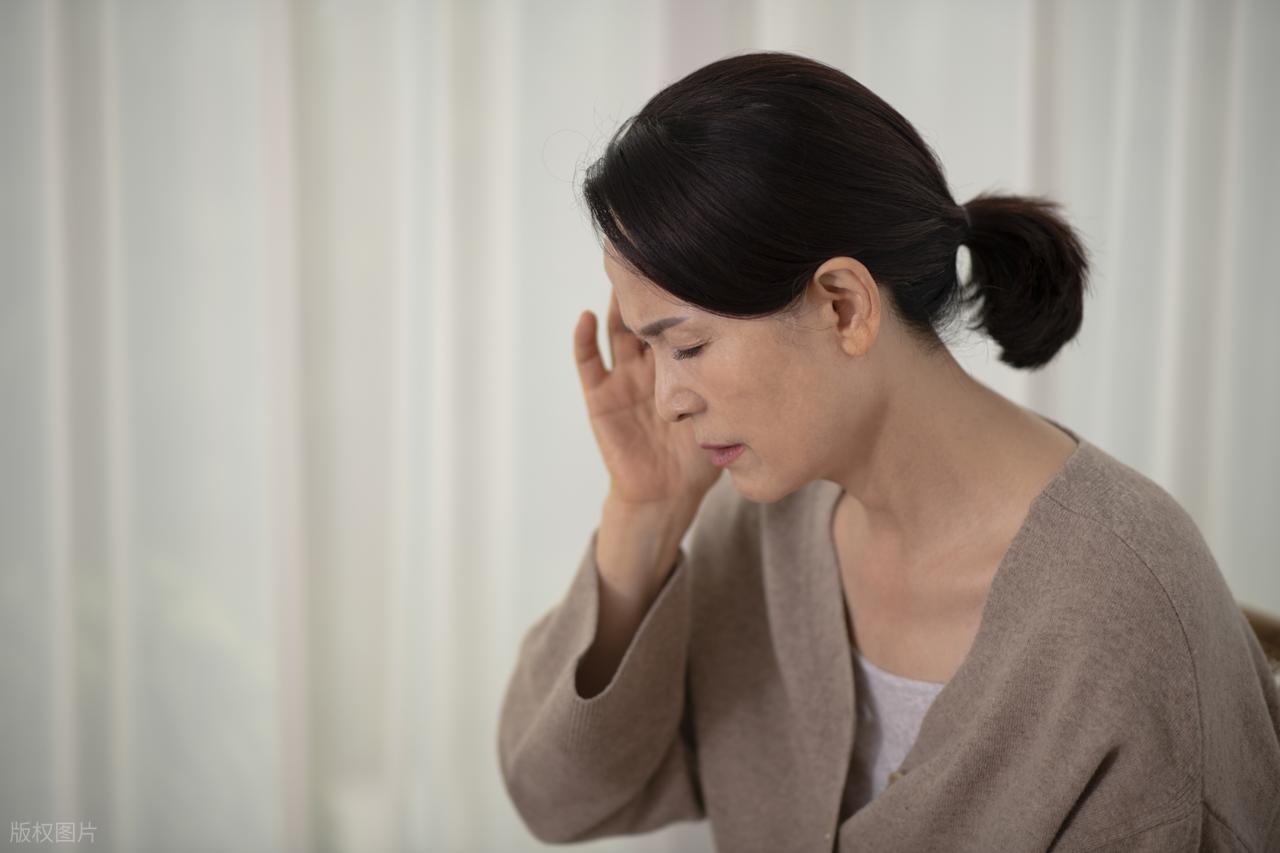
Furthermore, the underlying perception in societal views that "menopause signifies a loss of feminine charm" can lead some women to experience self-doubt, believing they have passed the age of being "qualified to enjoy sexual life."
At the same time, postmenopausal women may face changes in life situations such as children becoming independent or retirement, gradually shifting their focus toward household chores or personal health. As a result, their attention to intimate relationships naturally declines. Psychologically, they transition from the "reproductive phase" to the "elderly phase," subconsciously excluding sexual activity from their life needs.

Misconceptions and inadequate communication with partners then become significant drivers that exacerbate this alienation.
Many women, and even men, hold the erroneous belief that "menopause equals loss of sexual function," thinking that sexual activity should cease after menopause. This mindset leads women to actively suppress their own needs and makes partners hesitant to initiate, ultimately causing intimate relationships to gradually fade.
Some men lack understanding of the physiological changes women experience after menopause and continue to use interaction patterns from their younger years, overlooking the potential discomfort women may face. If pain or difficulties arise during sexual activity and both parties fail to communicate in a timely manner, misunderstandings can easily arise. Women may feel their partners are inconsiderate, while men may mistakenly believe their wives have lost interest in them, ultimately creating a vicious cycle.

Additionally, some couples feel that discussing sexual activity becomes "awkward" as they age, deliberately avoiding related topics and lacking emotional communication and expression of needs, causing their intimate relationship to grow increasingly distant.
In fact, menopause is merely a natural transition in a woman's physiological stage and does not signify the end of sexual activity.
Scientific research indicates that postmenopausal women still secrete a small amount of androgens, allowing them to maintain a certain level of sexual desire. Regular, comfortable sexual activity can also promote blood circulation, maintain vaginal elasticity, reduce the risk of urogenital tract infections, while enhancing marital bonds and improving emotional well-being.

Both men and women need to correctly understand the physical changes after menopause. Women should learn to acknowledge their own needs and not feel self-conscious due to physiological changes;
Men, on the other hand, should educate themselves with relevant scientific knowledge and provide their partners with sufficient understanding and care.
When experiencing issues like vaginal dryness, choosing a formal water-soluble lubricant can improve the experience. If the discomfort is severe, consult a doctor for professional solutions.
Breaking misconceptions and enhancing communication and understanding are essential to maintaining warmth in intimate relationships after menopause.

Sexual activity is not exclusive to the young but a lifelong health need. Respecting physical changes and addressing discomforts scientifically can help maintain high-quality intimate relationships in later life.