Excessive Menstrual Bleeding: I Used 3 Methods to Help Her Stop the Bleeding with No Recurrence Later
In the gynecology clinic, such scenes are all too common: a young woman in her twenties sits in the examination room with a haggard expression, clutching several test reports in her hand, her voice tinged with helplessness: "Doctor, my period has been going on for almost half a month without stopping. The flow isn't heavy but it just won't end. I've taken several hemostatic medications but they don't help. What should I do?"
Women with menstrual issues must understand that menstrual conditions are important signals reflecting reproductive health. Prolonged menstrual bleeding not only affects quality of life but may also lead to problems like anemia and infections if left untreated long-term, potentially masking some organic pathologies. Allowing it to progress unchecked may turn minor issues into major complications. Therefore, women troubled by persistent menstrual bleeding should seek timely medical intervention.
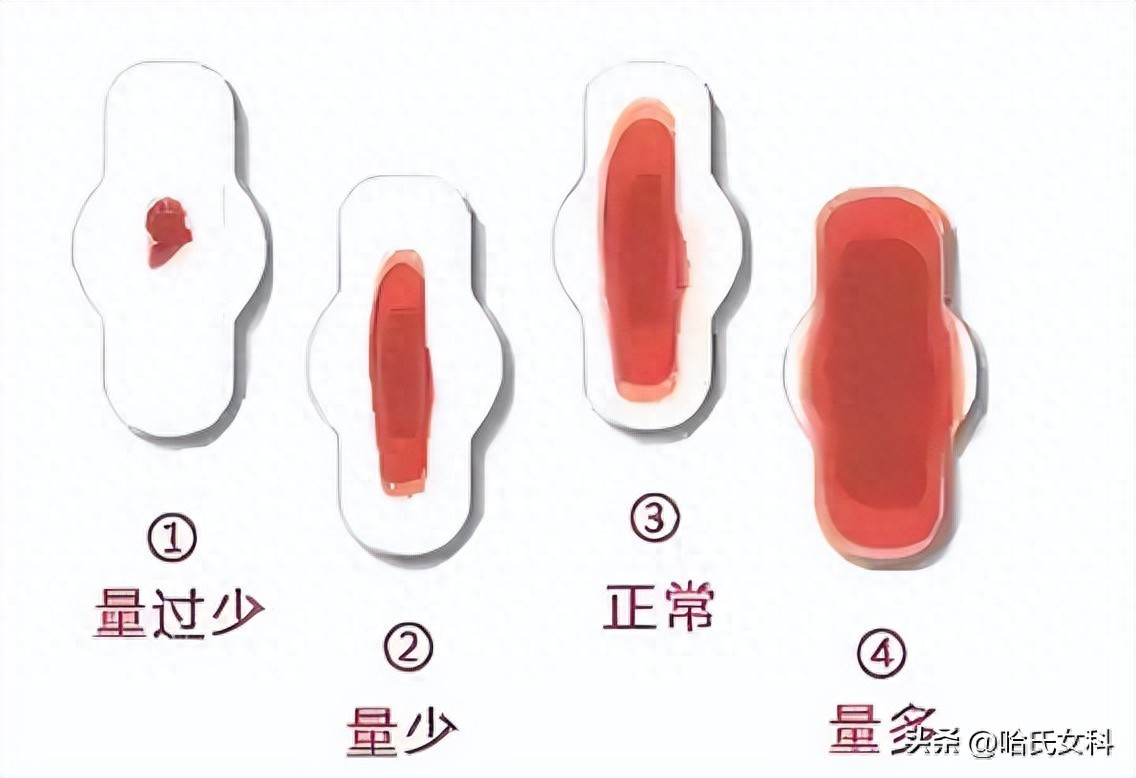
One year ago, I treated a 25-year-old female patient whose menstruation had persisted for 12 days with fluctuating flow and mild abdominal pain. For her age group, menstrual cycles are typically regular with a normal duration of 3-7 days, but her condition was clearly abnormal. After examination, no organic lesions were found—her prolonged bleeding was caused by dysfunctional uterine bleeding.
Before consulting me, she had tried numerous hemostatic medications on her own with poor results and had visited two hospitals. Some doctors recommended dilation and curettage to stop the bleeding (which she feared might cause significant harm), while others advised wait-and-see observation, suggesting it might resolve on its own. She was dissatisfied with both approaches.

I explained to her that since there were no organic lesions, dilation and curettage wasn't necessary. To address the prolonged bleeding, we could take a different approach: first regulating endocrine function to restore normal hormone levels, thereby promoting proper endometrial shedding and repair. Simultaneously, we would improve her overall physical condition and enhance coagulation function. Once her menstrual cycle normalized, the prolonged bleeding would naturally improve.
Typically, a normal menstrual cycle lasts 21-35 days with bleeding lasting 3-7 days. Given that her menstrual duration far exceeded the normal range, we employed safe methods to regulate endocrine function, shortening her menstrual period to normal duration while maintaining a regular cycle. This approach successfully prevented the complications associated with chronic prolonged bleeding.
I used three methods to restore her menstrual cycle to normal within three months.

First, she had issues with poor sleep quality and easily irritable moods. I prescribed her a traditional Chinese medicine formula to regulate her emotions, calm her mind, and improve sleep, addressing these two problems first. With better sleep and stable emotions, her endocrine system could regulate more effectively, laying the foundation for restoring her menstrual cycle to normal.
Secondly, the focus was on regulating endocrine function. Considering her constitution with poor qi and blood circulation, I prescribed a traditional Chinese herbal paste to regulate hormone levels and promote endometrial repair. This was combined with targeted dietary advice, recommending foods that replenish qi and blood while avoiding spicy and irritating foods, to further assist in regulating her physical condition.
Finally, encourage her to engage in some mild exercises, such as yoga or walking, to improve physical fitness, promote blood circulation, and help the body recover faster.
The rest is about persistence and regular follow-ups. I advised her to come for a check-up every month to monitor changes in her menstrual condition. After three months of this regimen, her menstrual cycle returned to about 28 days, her period shortened to 5 days, the flow normalized, and her overall complexion improved significantly. As long as she maintains good lifestyle habits and regular check-ups, she can effectively prevent the recurrence of prolonged menstrual bleeding.