Uterine Fibroids: A "Root-Cutting Prescription" with Remarkable Effects – Eliminates Blood Stasis, Cures Various Ailments, with Just One Treatment!
Over 30 years of clinical practice, I've treated numerous patients with uterine fibroids. Whenever I see them entering the consultation room with anxious expressions, I always want to tell them: Don't worry too much, I've treated many cases like yours. Traditional Chinese medicine has solutions, so please have more confidence in yourself.
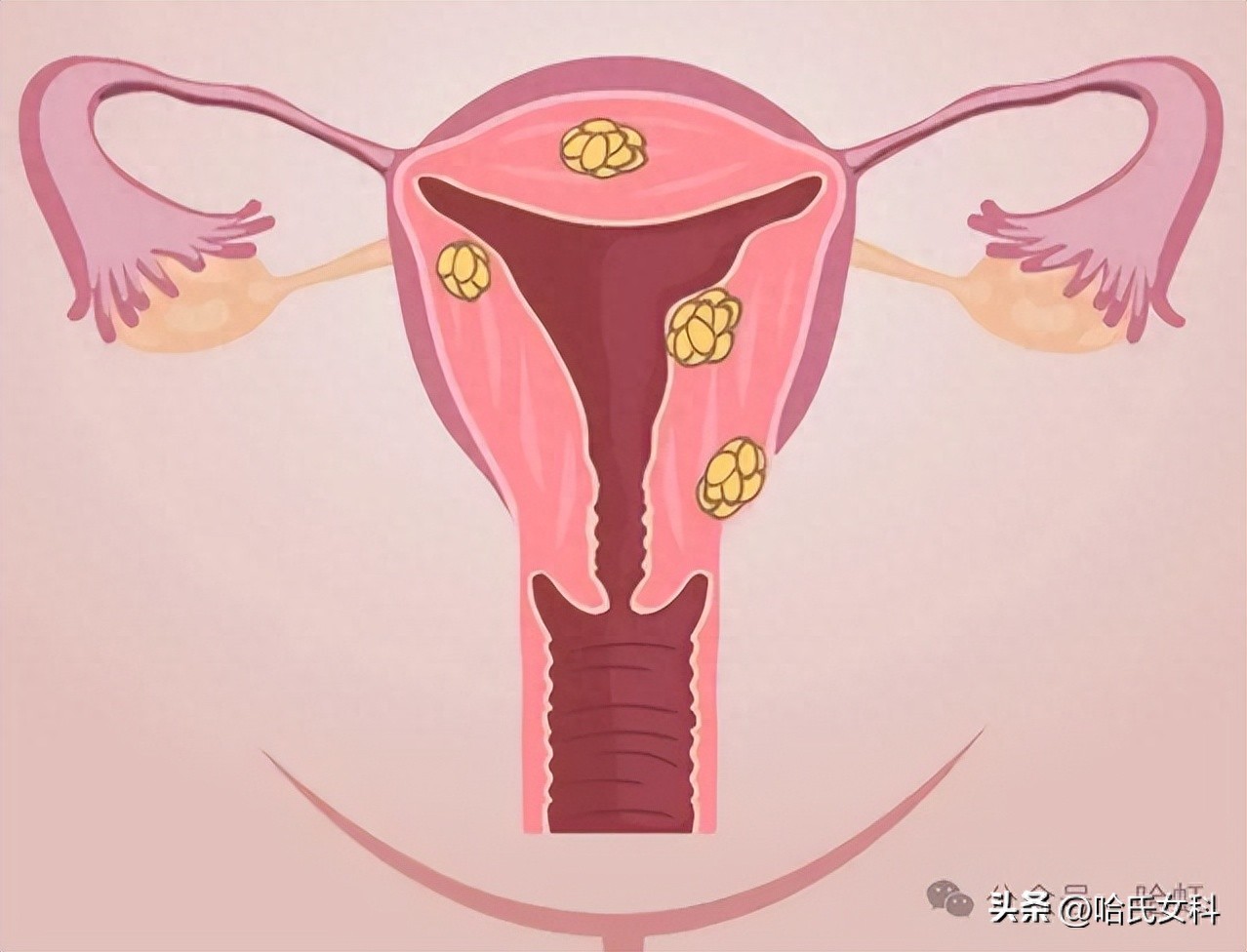
Today, I'd like to share a clinical adjustment approach I frequently use with excellent feedback – a "Blood Stasis-Resolving and Mass-Dissolving Prescription" that combines the strengths of multiple classic famous formulas.
This is not simply piling up medications, but rather a comprehensive treatment method I've summarized based on years of clinical experience targeting the core pathogenesis of fibroids—"blood stasis, qi stagnation, and deficiency of healthy qi"—aiming to fundamentally improve the internal environment prone to fibroid growth.
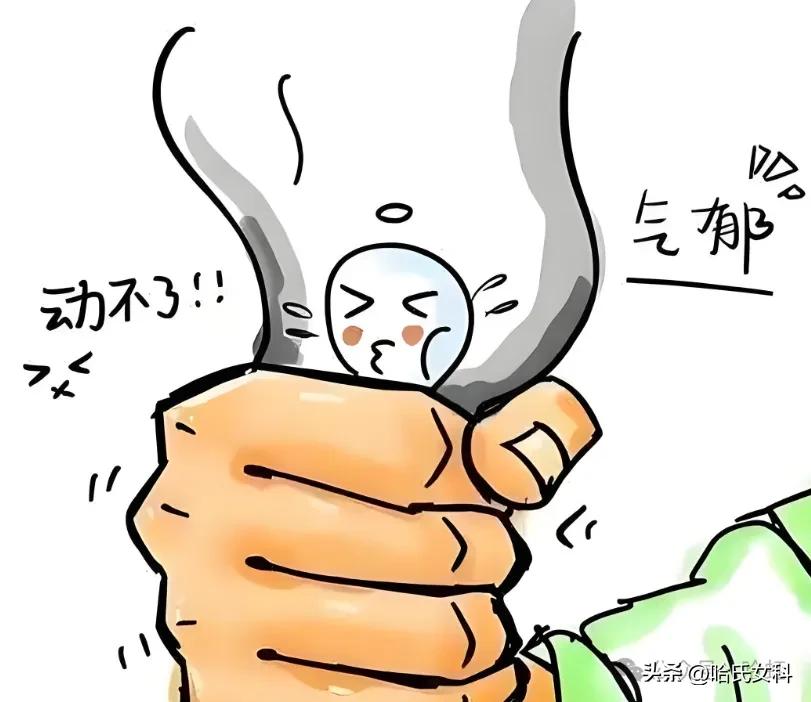
The formulation rationale of the Stasis-Resolving Lump-Dissolving Formula integrates three classical treatment approaches for synergistic effects:
Cinnamon Twig and Poria Pill (activating blood and dispelling stasis) - acts like a "river channel cleaning crew," dredging uterine stasis and dissipating accumulations;
Bupleurum Liver-Soothing Powder (moving qi and relieving stagnation) - serves as a "qi mechanism regulator," promoting qi-blood circulation and resolving binding depression;
Ginseng and Atractylodes Macrocephala Powder (Strengthens Spleen and Replenishes Qi) - Serves as the "foundation construction team" to consolidate spleen and stomach functions, enhance transportation and transformation, preventing blood stasis recurrence.
Commonly used medications include: cassia twig, poria, peach kernel, tree peony bark, red peony root, bupleurum root, bitter orange, white peony root, atractylodes rhizome, codonopsis root, Chinese yam, and honey-fried licorice.
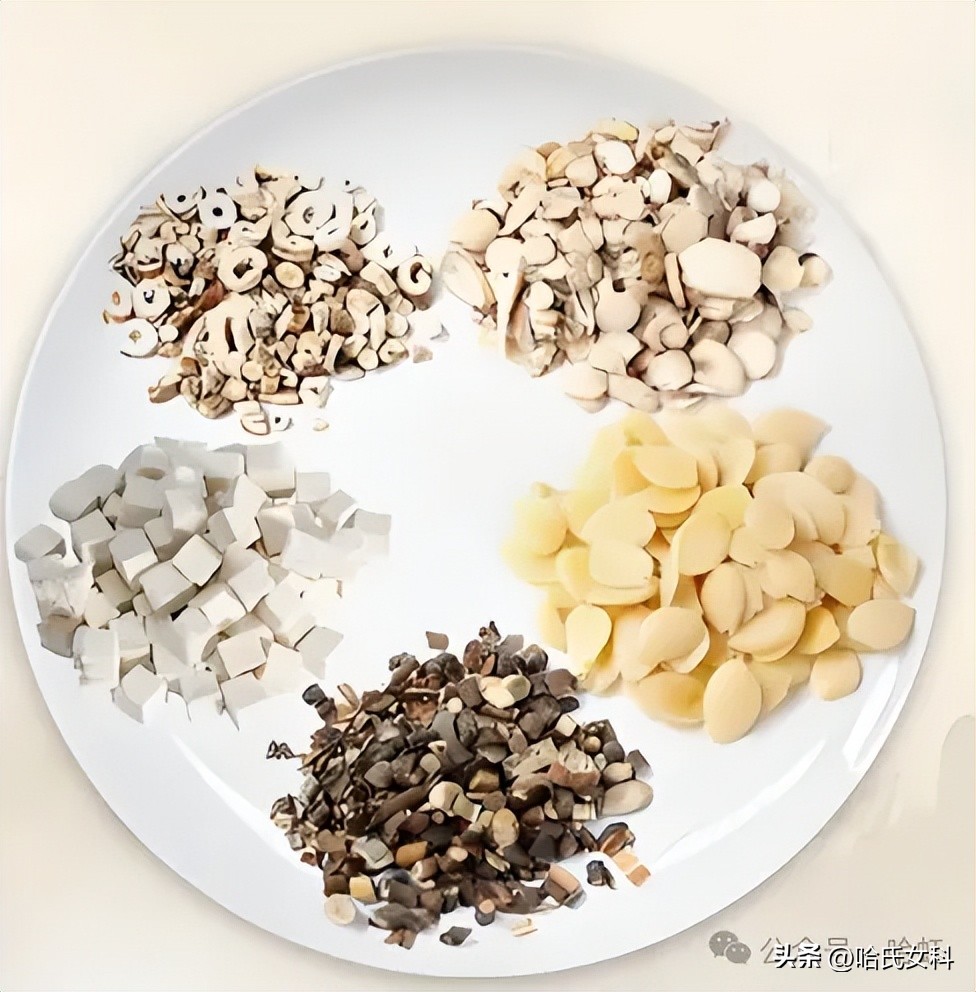
Hierarchical compatibility, each with distinct responsibilities:
First echelon: Activates blood circulation and resolves stasis, directly attacking stagnant masses
Focusing on Guizhi Fuling Wan as the main treatment. Within this formula, Cinnamon Twig warms and unblocks blood vessels, while Peach Kernel, Moutan Bark, and Red Peony Root specifically disperse blood stasis. Poria strengthens the spleen and promotes diuresis. These herbs work synergistically to primarily resolve solid masses in the uterus, making it particularly suitable for patients with heavy menstrual bleeding, numerous blood clots, and significant abdominal pain.
Second-tier approach: Regulate qi to relieve stagnation and promote smooth qi circulation
Stagnation of qi leads to blood stasis, hence Bupleurum Liver-Coursing Powder is used to regulate qi and relieve depression. Bupleurum and Bitter Orange regulate liver qi, while White Peony Root nourishes blood and softens the liver. This step aims to loosen qi stagnation, reducing blood stasis formation at its source and restoring overall qi flow.
Third Stage: Strengthening the Spleen to Consolidate Foundation, Supporting Vital Qi to Prevent Recurrence
Long-term stasis-breaking treatment must also preserve vital qi. In Ginseng, Poria, and Atractylodes Macrocephala Powder, Codonopsis, Atractylodes, and Chinese Yam fortify the spleen and boost qi, while Poria and Prepared Licorice Root harmonize the spleen and stomach.
The spleen and stomach are the source of qi and blood production. When they are strong, qi and blood become abundant—this both supports the "pathogen-clearing" functions of the first two stages and fundamentally prevents new stasis from forming. This approach is particularly suitable for patients with constitutional weakness, fatigue, poor appetite, and excessive vaginal discharge.

Advantages of the Three-Formula Combination:
Simultaneous Attack and Reinforcement: Resolving blood stasis while supporting vitality, eliminating pathogens without depleting primordial qi;
Dual Regulation of Qi and Blood: Both dispersing blood stasis and regulating qi movement, blocking disease formation through dual pathways;
Addressing Both Symptoms and Root Causes: Eliminating existing fibroids (symptomatic treatment) while regulating liver-spleen function and enhancing physiological mechanisms (root treatment), thereby reducing recurrence risks.
Tailor treatment to the individual and avoid self-medication—this is a fundamental principle, as clinical practice still requires personalized diagnosis and treatment. For example:
For fibroids that have hardened over time, E Zhu (rhizoma zedoariae) and San Leng (rhizoma sparganii) are often added to enhance their mass-removing effects;
If there is excessive menstrual bleeding or prolonged periods, carbonized mugwort leaf and cattail pollen can be added to stop bleeding;
If accompanied by soreness and weakness in the waist and knees, with obvious kidney deficiency, then add eucommia bark and mulberry mistletoe to tonify the kidneys and strengthen the foundation.
Truly effective treatment must be adjusted according to your tongue diagnosis, pulse condition, physical signs, and specific symptoms. What is shared here is only for medical science popularization, and it is not recommended that anyone directly use these prescriptions without modification.