Prolonged menstrual periods with continuous spotting? Traditional Chinese medicine offers systematic approaches for treating "metrorrhagia" by addressing constitutional root causes
Persistent menstrual spotting and recurrent brown discharge during non-menstrual periods are often associated with conditions such as endometrial thickening, polyps, fibroids, or polycystic ovary syndrome (PCOS). In Traditional Chinese Medicine, these manifestations are collectively termed "metrorrhagia."
Many people encounter this situation and first think about "stopping the bleeding," but often it only works for that month, and the problem recurs the next month. The core issue lies in the fact that simply stopping bleeding is merely a "symptomatic treatment" without addressing the underlying constitution that causes the problem, leading to recurrence. Today, we will share TCM approaches for regulating different patterns of "flooding and spotting" (metrorrhagia and menostaxis) to help you resolve the issue at its root.
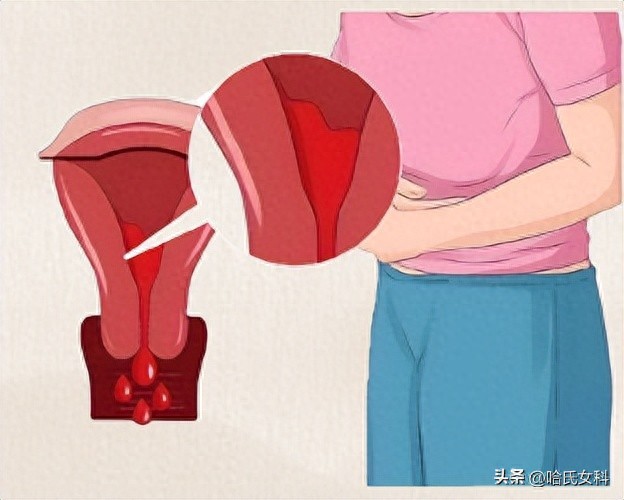
I. First Identify Body Constitution: 4 Common Patterns with Corresponding Treatment Approaches
The key to traditional Chinese medicine treatment for "metrorrhagia and metrostaxis" lies in "syndrome differentiation and treatment." Cases caused by different body constitutions vary in symptoms, treatment approaches, and herbal formulas. You can first preliminarily identify your condition by comparing it with the following patterns.
1. Heat Invading the Blood Chamber Type
Cause: Excessive consumption of spicy and dry-heat foods, exuberant heart fire, or heat in blood forcing reckless blood flow
Typical symptoms: Prolonged menstrual dripping with dark red blood containing clots, red tongue with yellow greasy coating
Treatment principle: Clear heat and cool blood, nourish yin to stop bleeding
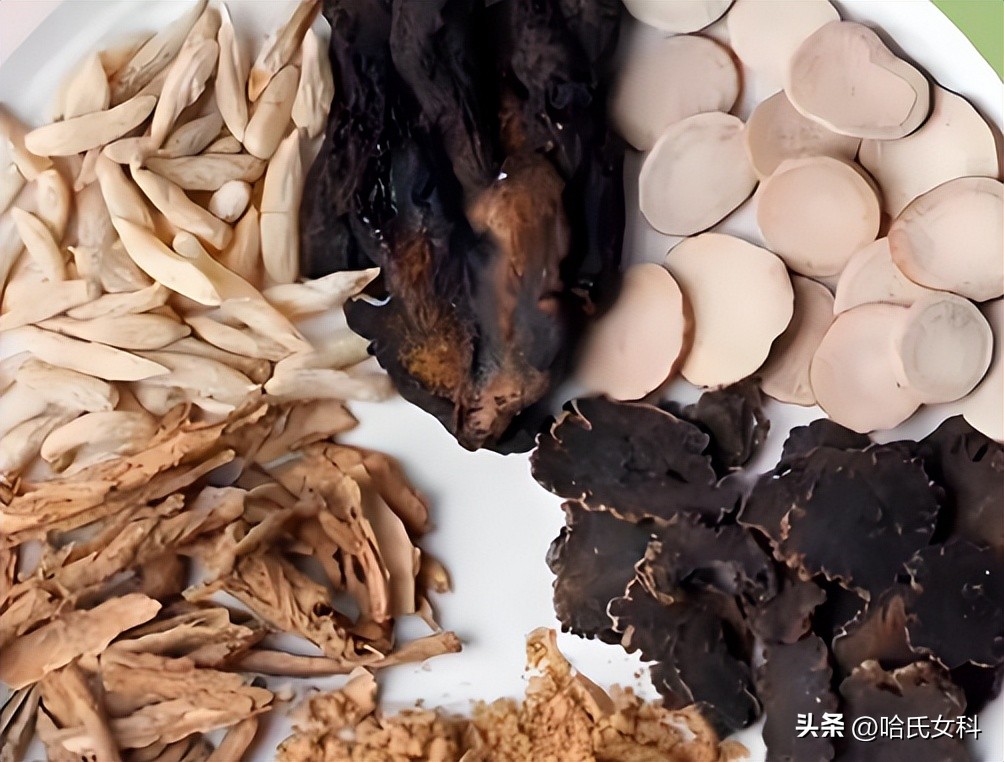
Reference formula: Liangdi Decoction (Raw Rehmannia Root, Black Scrophularia Root, White Peony Root, etc.)
2. Liver stagnation and fire exuberance type
Causes: Emotional repression, irritability, liver qi stagnation transforming into fire disturbing the Thoroughfare and Conception Vessels
Typical symptoms: Abnormal menstruation accompanied by irritability, distending pain in the hypochondrium, and reddish menstrual blood
Treatment principle: Soothe the liver to relieve stagnation, clear heat and stop bleeding
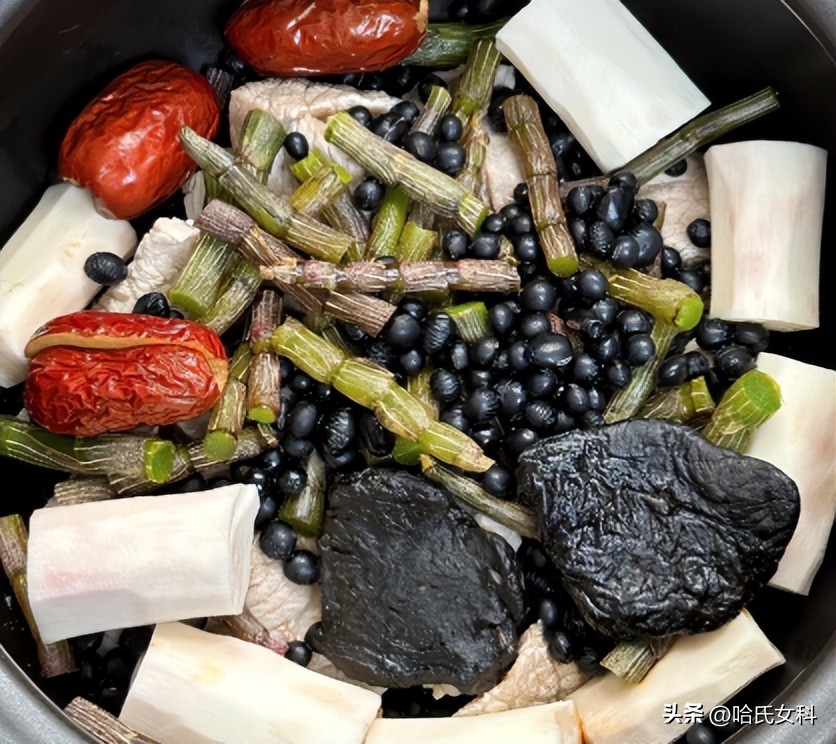
Reference formula: Modified Danzhi Xiaoyao Powder with Rhizoma Dioscoreae, Semen Nelumbinis, and Radix Rehmanniae
3. Spleen Deficiency and Failure to Retain (Type)
Precipitating factors: Fatigue, irregular diet, spleen deficiency causing failure to regulate blood
Typical symptoms: Prolonged uterine bleeding/sudden heavy flow, shortness of breath and fatigue, pale tongue with white coating, deep thready weak pulse
Treatment principle: Reinforce qi and nourish blood, guide blood back to its source
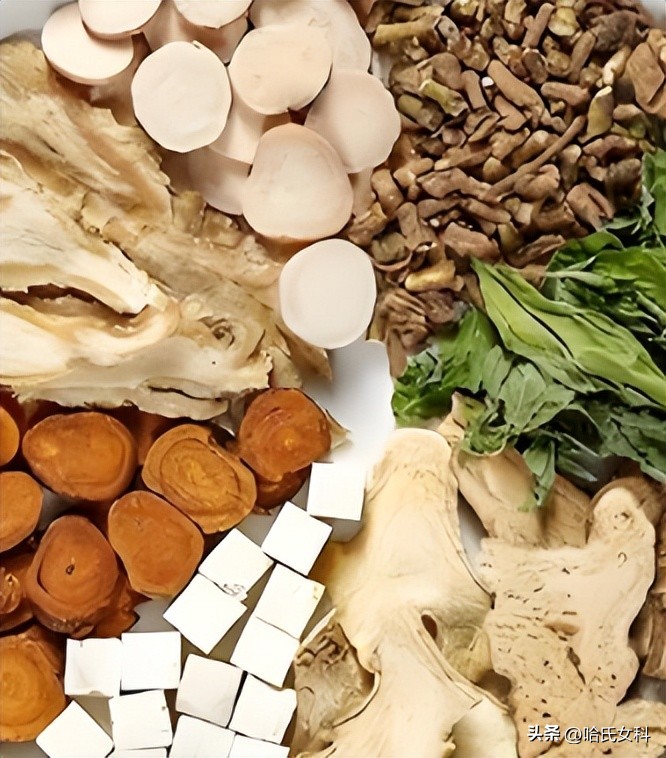
Reference prescription: Guipi Decoction with donkey-hide gelatin pieces, prepared rehmannia root, calcined oyster shell, etc
4. Kidney Deficiency with Impaired Storage Type
Cause: Congenital deficiency, staying up late, overwork leading to kidney yin deficiency and poor blood storage
Typical symptoms: Heavy red flow, lumbar soreness and leg weakness, dizziness and tinnitus, restlessness and insomnia, red tongue with scant coating
Treatment principle: Nourish kidneys and cultivate yin, assisted by astringent therapy
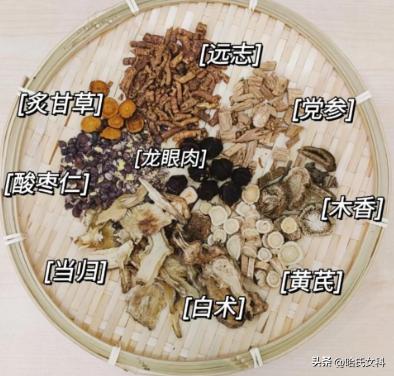
Reference prescription: Yi Shen Gu Ben Tang
2. Key to Treatment: Not Just Stopping Bleeding, But Achieving "Constitutional Balance"
Traditional Chinese Medicine (TCM) approaches the treatment of abnormal uterine bleeding (AUB) by adhering to the principle of "treating the acute symptoms first, then addressing the root causes." During active bleeding, priority is given to hemostasis to prevent excessive blood loss; after bleeding stops, the focus shifts to constitutional regulation to prevent recurrence. However, three core considerations must be noted during treatment:
1. Accurate Syndrome Differentiation to Avoid Blind Medication: The above-mentioned patterns may present as "mixed conditions" (such as spleen deficiency combined with liver stagnation, or kidney deficiency accompanied by blood heat). Only a qualified TCM practitioner can make comprehensive assessments through "observation, auscultation, inquiry, and palpation" (examining tongue coating, pulse diagnosis, symptom evaluation). Self-diagnosis and medication are strongly discouraged, as incorrect prescriptions may worsen the condition.
2. Prioritize Western Medicine Evaluation to Rule Out Risks: AUB is often associated with organic issues like endometrial thickening, polyps, or fibroids. Before TCM intervention, gynecological ultrasound and hormone panels (such as the six-item hormone test) are recommended to identify any Western medical pathologies—particularly to exclude malignant risks (e.g., endometrial cancer)—and prevent delays in critical treatments due to relying solely on TCM.
3. Combine with lifestyle adjustments for stable results: During the recovery period, avoid staying up late, overexertion, and excessive consumption of spicy, raw, cold, or greasy foods. Maintain emotional calmness as much as possible—reduce anger and anxiety. After all, "liver stagnation" and "spleen deficiency" are often related to poor lifestyle habits. Improving constitution requires both "medication + lifestyle changes" to work in tandem.
In short, managing "metrorrhagia and metrostaxis" is not about simply stopping symptoms but about restoring the body's normal function of "controlling and storing blood" through constitutional improvement. Only then can recurrence be truly avoided. If your menstrual abnormalities have persisted for some time, it is advisable to promptly undergo integrated TCM and Western medical examinations to develop a personalized recovery plan.