The Recognized Master of Resolving Blood Stasis: Drink It in Early Autumn to Eliminate Cold and Stasis, Relieve Dysmenorrhea, and Regulate Menstruation
Wen Jing Tang (Channel-Warming Decoction). Many have heard of this formula, right? As one of the top ten famous prescriptions in Traditional Chinese Medicine gynecology, it serves as an "evergreen remedy" for regulating "uterine cold with blood stasis." Numerous women suffering from menstrual issues have regained physical comfort through its use.
Wen Jing Tang isn't specifically designed to treat "dysmenorrhea" or "delayed menstruation" - its core function lies in dispersing cold, resolving stasis, nourishing blood, and regulating menstruation. In TCM theory, "cold" manifests as either "excess cold" (from excessive consumption of cold foods) or "deficiency cold" (due to constitutional weakness), while "stasis" refers to blood stagnation caused by qi-blood circulation blockages. These pathological factors act like "tiny ice cubes" or "small lumps" obstructing the Chong and Ren meridians, leading to delayed menstruation, cold-sweating dysmenorrhea, and even affecting uterine warmth and fertility.
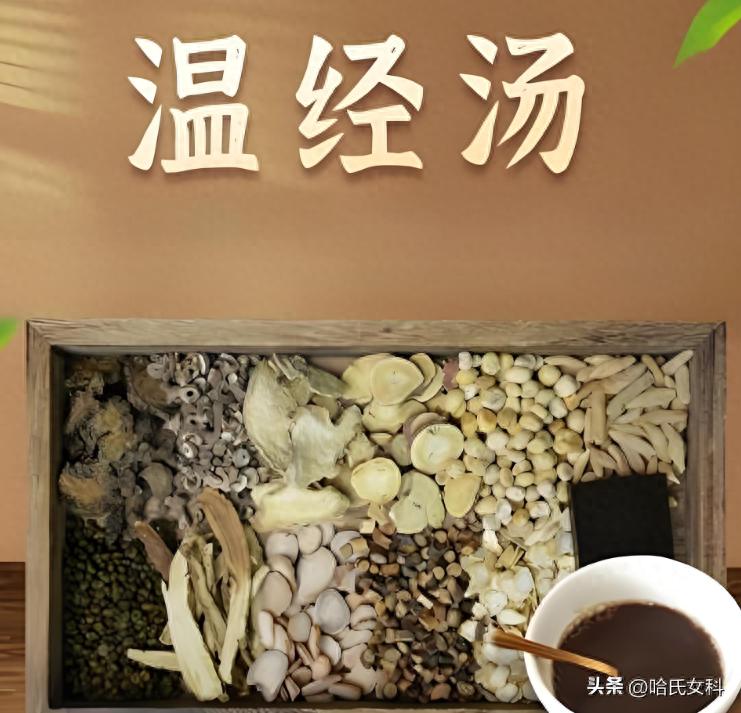
In ancient times, such women were referred to as "blood-cold women," especially those experiencing "cold lower abdomen during menstruation with pain so severe they can't straighten their waist, dark purple menstrual blood with clots, and typically cold hands and feet." For these cases, Wenjing Tang (Warm the Menses Decoction) proves highly effective.
Numerous cases have shown that some women not only alleviated dysmenorrhea with this formula but also regulated their menstrual cycles. Expectant mothers who underwent this treatment successfully conceived afterward.
So what exactly is Wenjing Tang?
Here's its composition: 9g Evodia fruit (Wu Zhu Yu), 6g Chinese angelica root (Dang Gui), 6g peony root (Shao Yao), 6g Sichuan lovage rhizome (Chuan Xiong), 6g ginseng (Ren Shen), 6g cinnamon twig (Gui Zhi), 6g donkey-hide gelatin (E Jiao), 6g moutan bark (Mu Dan Pi), 6g fresh ginger (Sheng Jiang), 6g licorice root (Gan Cao), 9g pinellia tuber (Ban Xia), and 15g dwarf lilyturf tuber (Mai Dong).
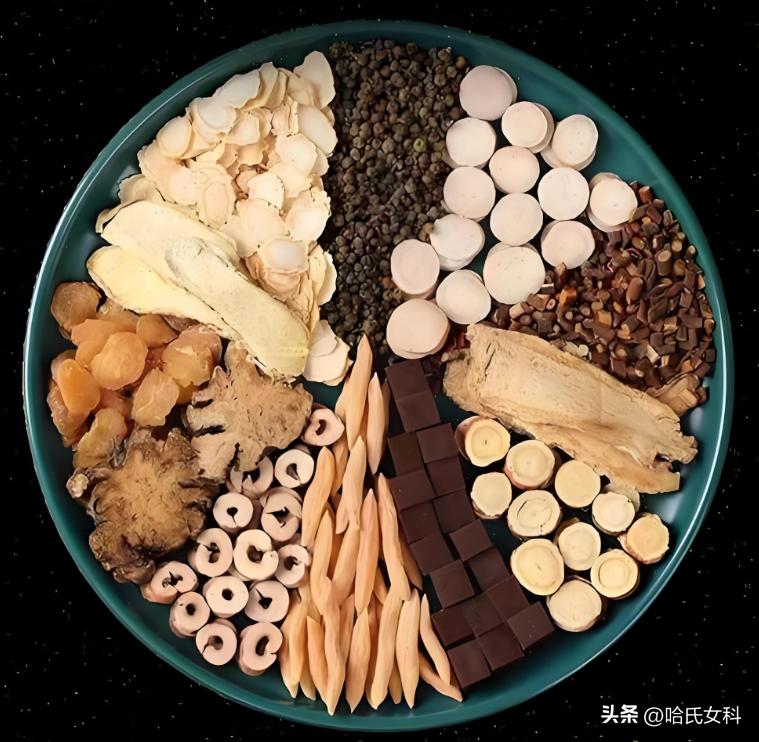
Evodia is the core herb for dispelling cold. Its pungent heat directly reaches the lower energizer, warming the kidneys and uterus like a "small heating stove" to drive away uterine cold.
Chinese angelica, white peony root, and donkey-hide gelatin form the blood-nourishing combination: Chinese angelica replenishes blood and promotes blood circulation, compensating for blood lost to cold and assisting in expelling stagnant blood;
White peony root soothes the liver and relieves pain while counteracting Evodia's drying properties; Donkey-hide gelatin nourishes blood and prevents excessive bleeding.
Chuanxiong rhizome, cinnamon twig, and moutan bark specialize in removing stagnation: Chuanxiong breaks through blocked qi and blood; Cinnamon twig warms and unblocks meridians, helping expel cold and stagnant blood while improving cold extremities;
Peony bark clears stasis and blood heat, preventing the body from becoming both cold and dry.
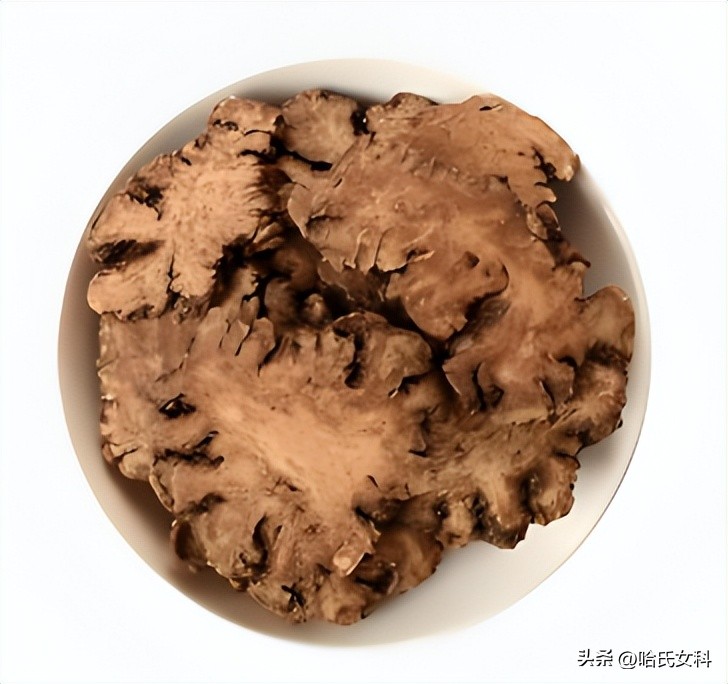
Ginseng replenishes vital energy, acting as a "booster" for dispersing cold and resolving stasis; ginger warms the spleen and stomach, protecting them from damage by cold-dispelling herbs
Licorice harmonizes medicinal properties; Pinellia dissipates cold qi, phlegm-dampness, and relieves lower abdominal distension.
Ophiopogon replenishes body fluids and prevents dry mouth caused by warm-drying herbs.
The "warming" effect of Wenjing Tang refers to gently warming and unblocking the meridians while dispelling cold, helping the body break free from the constraints of "cold stagnation." With smooth qi-blood circulation and a warmed uterus, menstruation naturally becomes regular, dysmenorrhea disappears, and the chances of conception increase. Its effects in regulating menstruation and aiding fertility are indirect results of "dispelling cold and clearing stagnation."
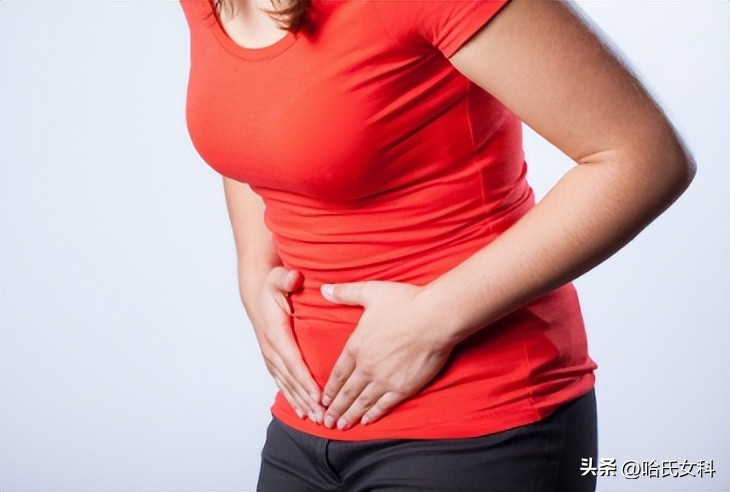
If you have a constitution of "cold coagulation and blood stasis" — characterized by cold hands and feet, preference for warmth during menstrual cramps, dark purple menstrual blood with clots, fatigue and low energy, as well as a white and greasy tongue coating with ecchymosis — then Wenjing Decoction is suitable for you.
When decocting, cook all herbs except donkey-hide gelatin for 30 minutes. Melt the gelatin and mix it into the herbal decoction. Divide into two doses to be taken daily, starting after menstrual discharge has ended.
For gentler regulation, a foot soak can also be used. Boil the herb packet for 20 minutes, then dilute the decoction with warm water. First steam the lower abdomen and feet before soaking. The herb packet can be reused the next day—one packet lasts two to three days.
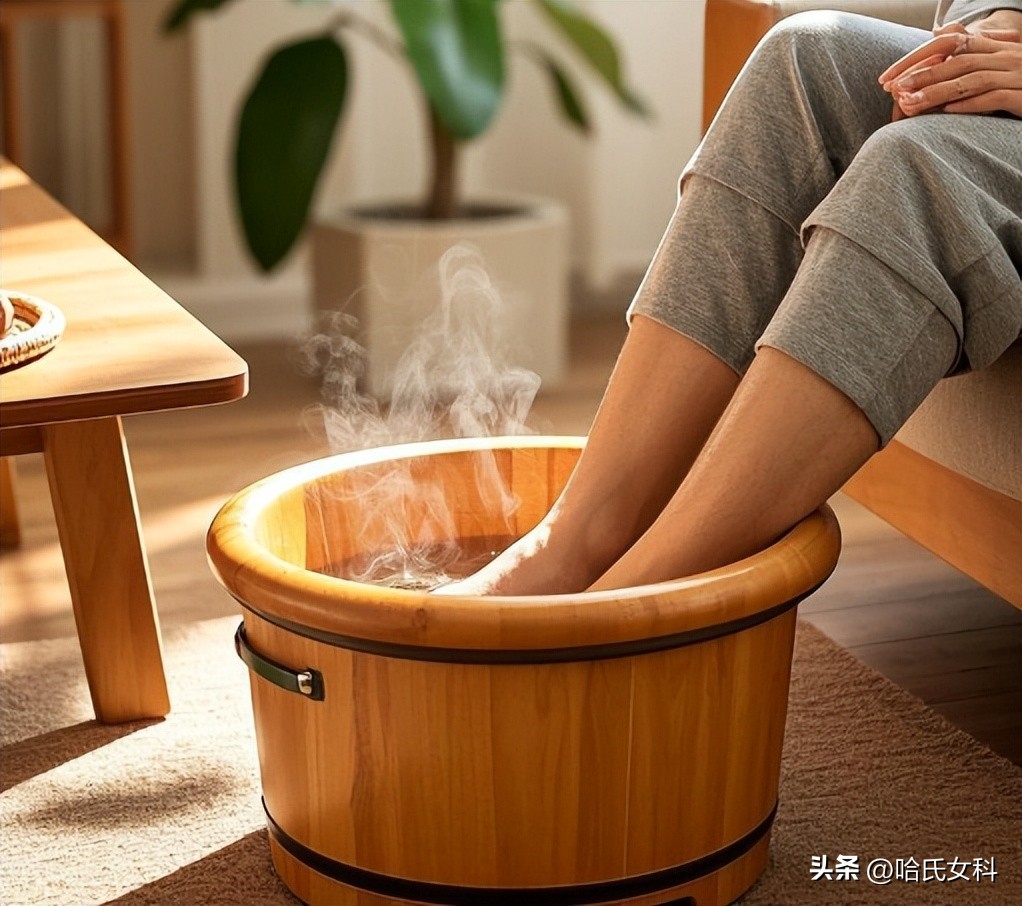
If you're struggling with "cold stasis," experiencing painful periods, irregular menstruation, or difficulty conceiving, you might consider trying Wenjing Tang (Temperature-Channel Decoction). If you're already using it, be sure to persist—persistence can help dispel "cold stasis," restore healthy gynecological conditions, and make menstrual periods more comfortable.