Periods Coming Too Early Could Be Your Body's Distress Signal! Never Ignore It
In traditional Chinese medicine theory, frequent early menstruation in women is referred to as "月经先期" (advanced menstrual cycle). Many may wonder how exactly this condition occurs. Let's understand the underlying causes through a typical clinical case example.
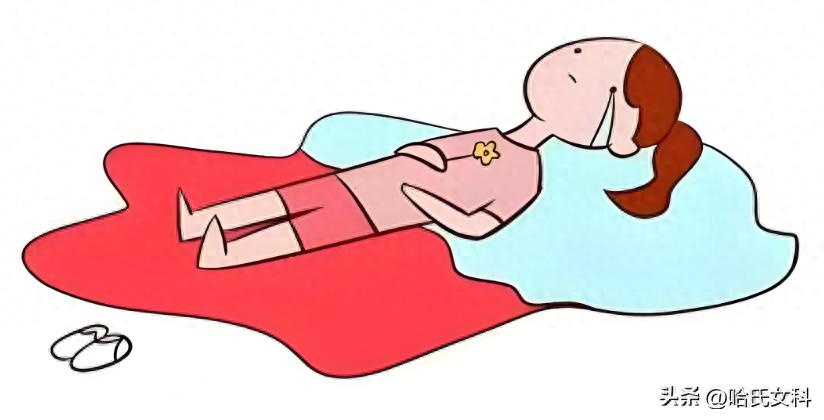
Ms. He, a 30-year-old woman, has been troubled by this issue: her menstrual cycle consistently ranges from 20 to 23 days, with each period lasting 8 to 10 days. In other words, she experiences bleeding for at least half of every month, placing significant physical strain on her body.
When Ms. He came for consultation, I first conducted a detailed consultation and observation: she currently felt noticeably fatigued, experienced cold sensitivity in her knees, and had poor sleep quality—not only waking easily but also frequently having vivid dreams; however, her daily bowel and bladder functions were normal. Upon examining her tongue, I observed a thick tongue coating. When checking her pulse, it felt somewhat thin with a slightly wiry quality.
Subsequently, she underwent a gynecological examination, which showed no organic abnormalities. Based on these symptoms and examination results, I diagnosed her condition as "advanced menstruation with prolonged bleeding," and from the pattern perspective, it fell under the category of "yin deficiency with blood heat."
To put it more simply, Ms. He’s constitution could be described as "yang exuberance," with relative liver yang hyperactivity. This led to internal blood heat, which in turn caused her menstrual cycle to advance and prolonged the duration of bleeding. Therefore, the core principle of treatment revolved around "nourishing the kidneys and cooling the blood." The prescription I used for her was adapted from the "Qing Jing San" formula from *Fu Qingzhu’s Gynecology*, modified according to her specific condition.
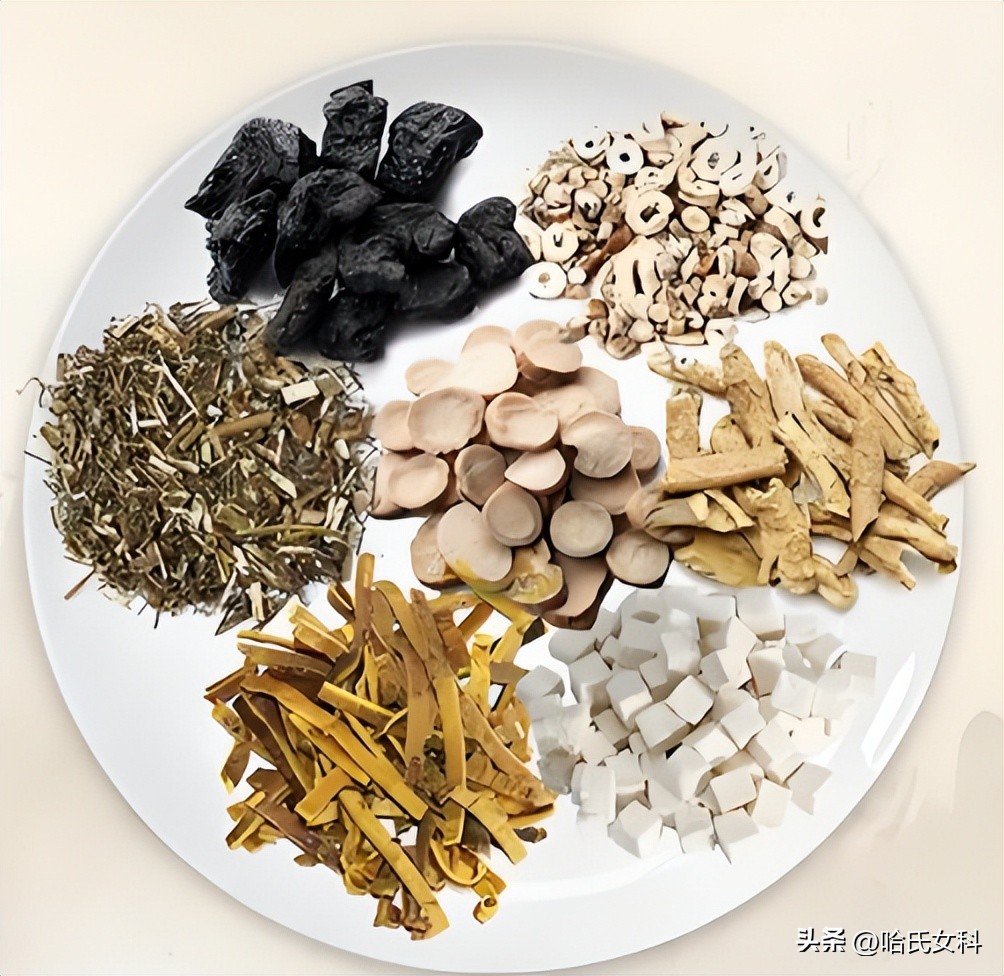
The prescription consisted of: raw Rehmanniae Radix (Sheng Di Huang), Ecliptae Herba (Mo Han Lian), Lycii Fructus (Gou Qi Zi), Phellodendri Cortex (Huang Bai), Moutan Cortex (Mu Dan Pi), Lycii Cortex (Di Gu Pi), Achyranthis Bidentatae Radix (Huai Niu Xi), and Aconiti Lateralis Radix Praeparata (Fu Pian).
During the subsequent follow-up treatments, Ms. He adhered to regular check-ups, and I adjusted her prescriptions according to her physical changes each time. By the fifth visit, she reported that her menstrual cycle had occurred once—this time with a 28-day interval from the previous period. Her menstruation lasted just 6 days and ended cleanly, with the flow returning to normal levels—showing significant improvement from the treatment.
Reviewing Ms. He's case, her symptoms of early menstruation and prolonged periods were due to her constitution being overly "yang-dominant." Excessive liver-yang combined with yin deficiency was the underlying cause. After five follow-up visits and over 30 doses of herbal decoctions primarily aimed at "nourishing the kidneys and cooling the blood," her menstrual cycle and duration finally normalized.
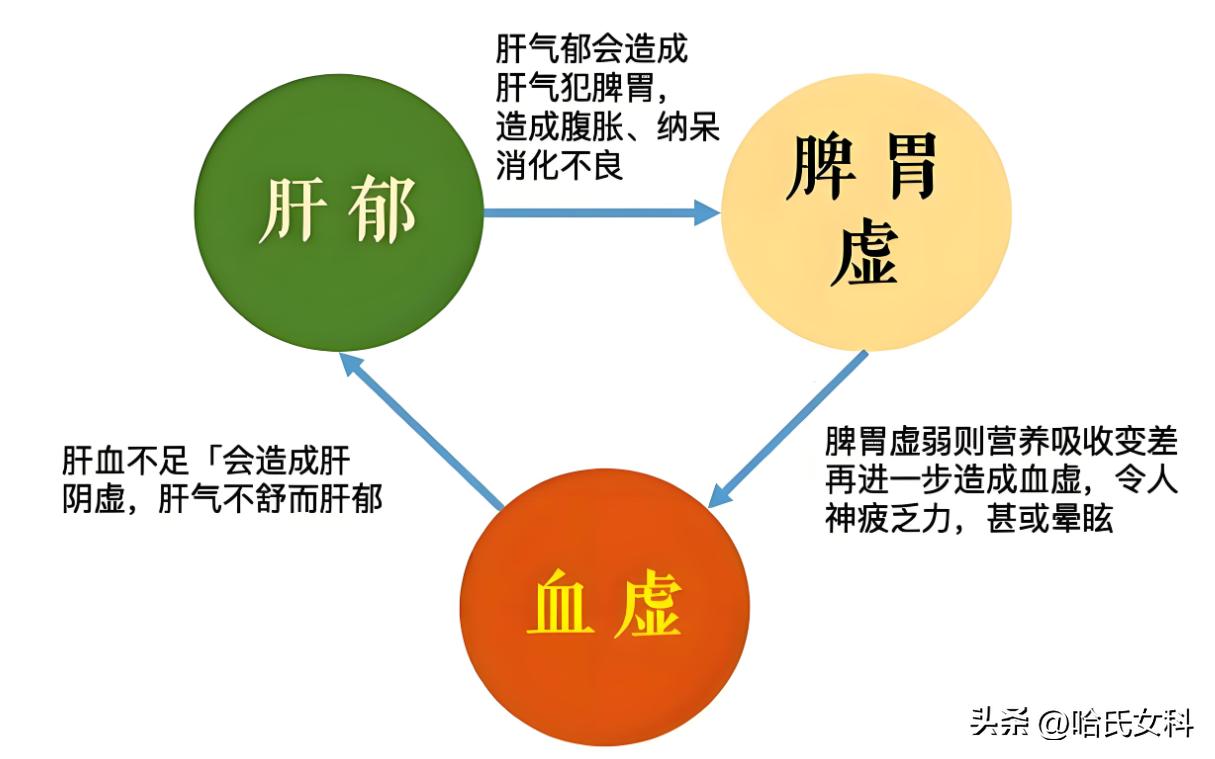
From the perspective of traditional Chinese medicine's holistic theory, while the primary pathology of menstrual irregularities lies in the uterus, its occurrence is closely related to the functional states of the liver, spleen, and kidneys. Among these, "yin deficiency with blood heat" is a common pattern causing menstruation to arrive early. Symptoms caused by this pattern can significantly impact women's daily lives. Therefore, if you frequently experience early menstruation, it is advisable to seek attention and timely treatment.
Additionally, women troubled by early menstruation may benefit from dietary adjustments—preferably incorporating more fresh fruits and vegetables. Ingredients such as chrysanthemum greens, cucumbers, raw lotus root, celery, bitter melon, eggplants, persimmons, pomelos, pears, and mung beans have cooling and blood-nourishing properties, making them suitable for regular consumption.