Don't Just Rely on Lab Reports for Premature Ovarian Failure! Your Body Is Alive – Traditional Chinese Medicine Offers a Chance Through "Kidney" Regulation
"Western medical lab reports are static, but your body is dynamic!" This statement might sound blunt, yet it speaks an undeniable truth. Faced with diagnoses of premature ovarian failure or amenorrhea, many women feel as if they've received a "fertility death sentence."
However, in the perspective of Traditional Chinese Medicine, this is merely a "strike by qi and blood," your body's way of sending out distress signals.
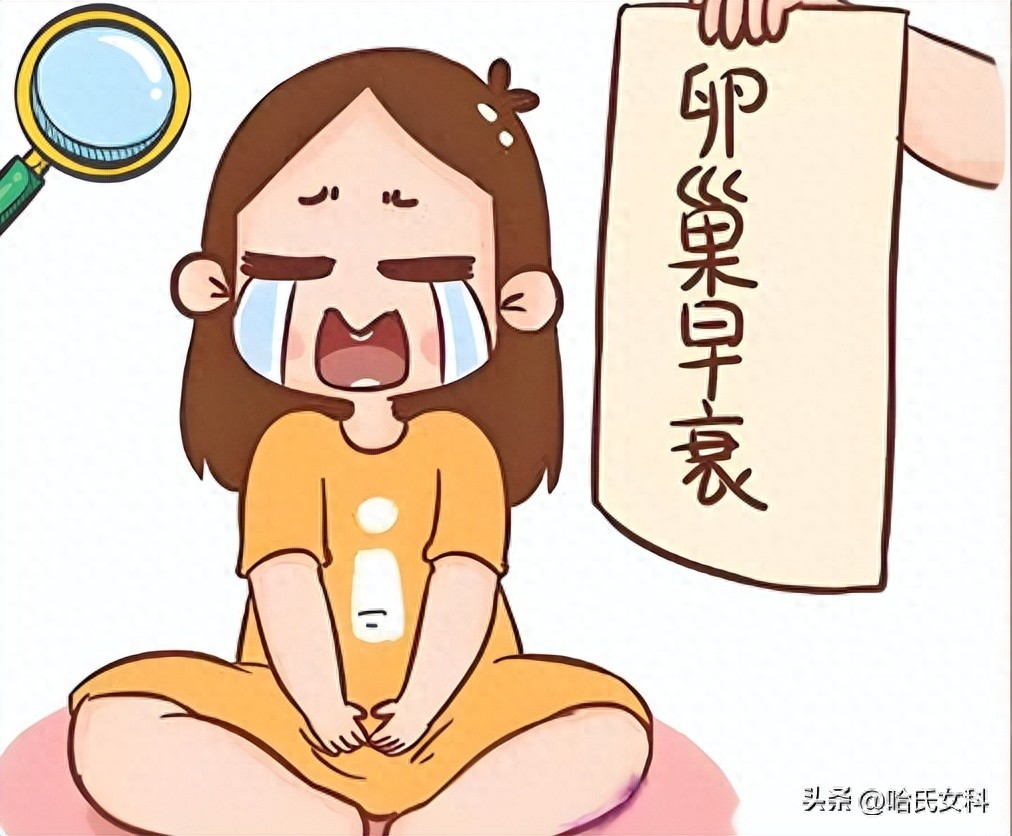
At the beginning of the year, Ms. Liu came to the clinic holding a test result showing AMH 0.06 and said, "Doctor, the local physician told me my ovaries resemble those of a woman in her fifties or sixties, and that I'll never be able to become a mother in this lifetime..."
Due to family upheavals, she experienced a period of severe emotional distress that disrupted her menstrual cycle. Her periods changed from monthly to once every three to four months, until they stopped completely. The test results felt like a verdict, declaring her "infertility sentence."
Yet I firmly told her, "Women in their fifties and sixties can still dance in the square! You're just in your early thirties—what's there to fear? Your ovaries going on strike is your body protesting, not machinery breaking down!"
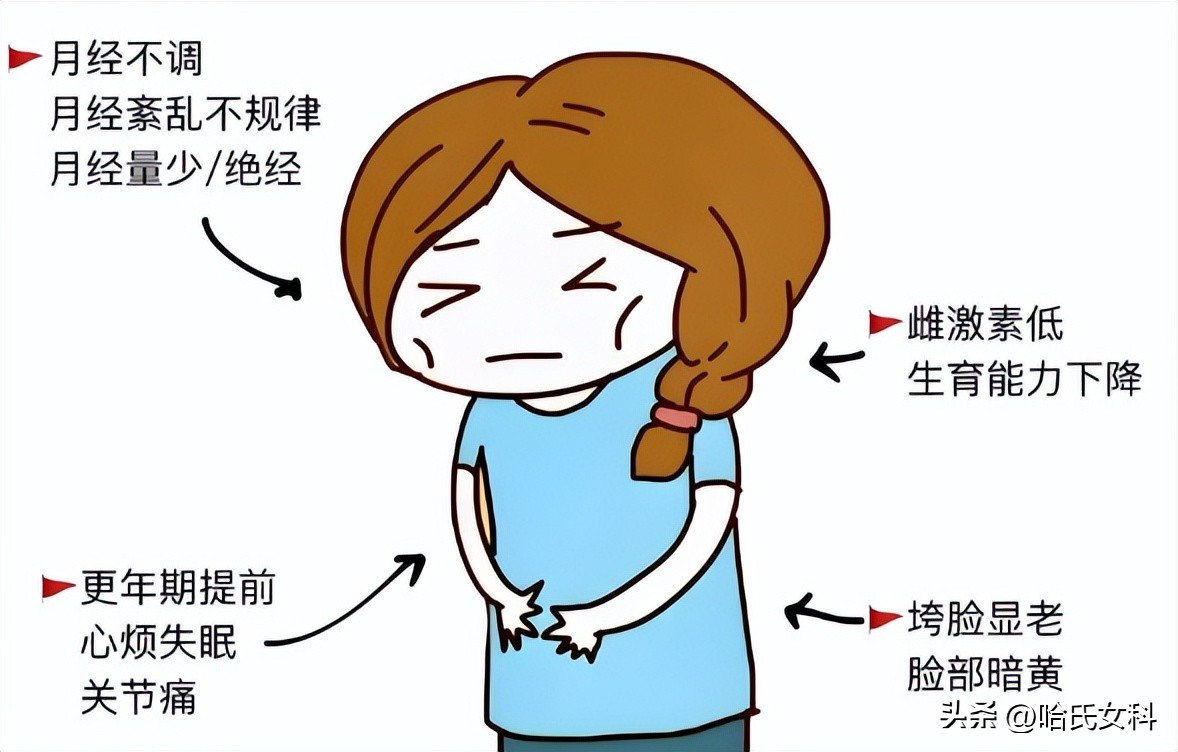
From the perspective of Traditional Chinese Medicine, premature ovarian failure and amenorrhea are merely external manifestations of qi and blood imbalance and yin-yang disharmony.
Ms. Liu's sallow complexion and listless demeanor are classic symptoms of dual deficiency of qi and blood, liver stagnation, and spleen deficiency. The key to her recuperation lies in nourishing blood, regulating menstruation, soothing the liver, and fortifying the spleen—allowing her body to return to a state of natural harmony.
Thus, I tailored a personalized recuperation plan for Ms. Liu:
The formula includes Chinese angelica (Danggui) and prepared rehmannia (Shudihuang) to nourish and enrich the blood; white peony root (Baishao) and Sichuan lovage rhizome (Chuanxiong) to activate blood circulation and resolve stasis; bupleurum root (Chaihu) and cyperus rhizome (Xiangfu) to soothe the liver and regulate qi; and largehead atractylodes rhizome (Baizhu) and poria (Fuling) to fortify the spleen and harmonize the stomach.

The results were quite promising. After 20 days of treatment, her period quietly returned. I advised her to continue taking the formula, and midway, I adjusted the prescription based on her physical condition. In June this year, she came back specifically to share the joyful news—she had successfully conceived a baby.