What are the most obvious signs of HPV in women? Do not ignore these three signals, early detection can save lives
First, Debunk the Misconception: 70% of Infected Individuals Are Asymptomatic, Which Is the Most Frightening "Sign"
Many women believe that "if there's no discomfort, there's no problem," but the data doesn't lie: in China, 1 in 8 women is infected with high-risk HPV, and 70%-80% of them have no symptoms at all, with the virus quietly lying dormant for months or even years. Last week, a 32-year-old patient was diagnosed with HPV16 positivity and precancerous lesions during a check-up, and she reported "no discomfort at all, except for occasional increased vaginal discharge."
As a gynecologist, I must remind you:Asymptomatic does not equal risk-freeThe "silent period" of HPV infection can last for 5-10 years, and by the time obvious symptoms appear, it may have already progressed to high-grade lesions.
II. Three Types of Significant Warning Signs That Truly Require Attention
1. Skin "Bumps": A Direct Alert for Low-Risk HPV
Pale red papules the size of rice grains appear around the vulva, vagina, or anus, gradually growing into cauliflower-like or papillary small bumps with a rough surface, possibly accompanied by mild itching or bleeding—this is condyloma acuminatum caused by low-risk types such as HPV6 and 11, which is the most direct sign of infection.
Do not mistake it for "inflammation" and self-medicate! In outpatient clinics, many patients delay treatment until the warts become extensive, increasing the difficulty of treatment.
2. Abnormal Bleeding: The "Distress Signal" of High-Risk HPV
Spotting after intercourse, light red or brown in color.
Irregular bleeding outside of menstrual periods, or bleeding after menopause.
Minor bleeding after gynecological examination.
These symptoms are often caused by persistent infection with high-risk types such as HPV16, 18, and 52, indicating possible cervical lesions. Remember: even if it occurs only once, an HPV and TCT screening must be performed immediately.
3. Abnormal Secretions: The Easily Overlooked "Invisible Sign"
A sudden increase in vaginal discharge with a thin, watery consistency, or the presence of blood streaks and unusual odor—these symptoms resemble those of common vaginitis but may be early signs of high-risk HPV infection. Particularly when accompanied by lower abdominal discomfort, it is important not to ignore these symptoms and to seek timely evaluation for peace of mind.
III. 2026 Latest Guidelines: 3 Key Groups for Screening, At-Home Self-Testing Now Available
1. Mandatory Screening for Bimodal Peak PopulationThe peak infection periods are ages 17-24 and 40-44. The former should not be neglected due to youth, while the latter requires more frequent screening due to declining immunity.
2. New Screening OptionsThe latest 2026 US guidelines support home sampling testing for women aged 30-65, which has been implemented in some domestic hospitals and can be chosen by women who feel embarrassed.
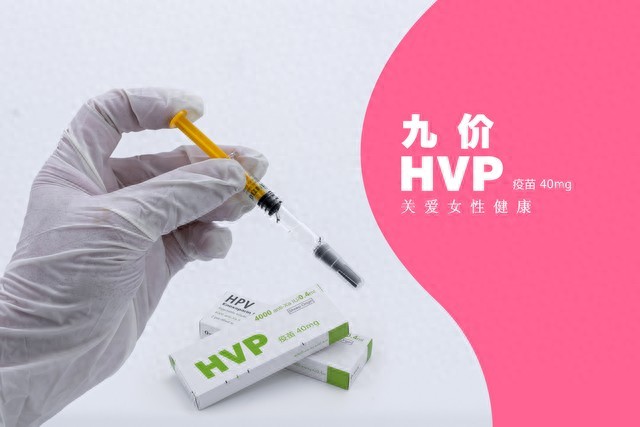
3. Vaccine + Screening is the Golden CombinationEven after vaccination, a TCT should be performed every 3 years, or combined with HPV testing every 5 years.
To be honest
HPV infection is not a terminal illness, as 80%-90% of cases can clear naturally through the body's immune system. The real danger lies in ignoring warning signs and refusing screening. If you experience any of the above symptoms or have been sexually active for over three years without screening, take action immediately—early detection and early intervention can 100% prevent cervical cancer!