HPV Positive Equals Cervical Cancer? Qilu Hospital Doctor Debunks 5 Misconceptions, Easing Your Worries After Reading
In the outpatient clinic, we see patients clutching their test reports and trembling every day: "Doctor, does a positive HPV result mean there's no hope?" As a doctor with ten years of experience in HPV diagnosis and treatment, I must clarify today: a positive result does not equal cancer. This report contains five key truths.

First, a positive result merely indicates "virus presence," not a cancer diagnosis.
The HPV virus family comprises over 200 types, akin to neighbors with different personalities. Low-risk types (such as 6 and 11) may cause warts, while high-risk types (like 16 and 18) require vigilance. However, 80% of women will encounter it in their lifetime, as common as a cold. According to WHO data, 90% of infections are cleared by the immune system within 2 years, and only persistent infections lasting 5-10 years may lead to pathological changes.
II. Infection Does Not Imply "Promiscuity"; Transmission Routes Are More Numerous Than You Might Think
Last week, a college student named Xiaolin who came for consultation tearfully said, "I've only been in one relationship." In fact, HPV is primarily transmitted through sexual contact, but sharing towels or having close skin contact can also lead to infection, though the probability is low. The infection rate among men reaches 45.2%, yet they are rarely screened, which also poses a risk of cross-infection. Infection is a matter of probability and has nothing to do with morality.
III. The Type is More Important Than "Positive", Types 16 and 18 Require Special Attention
Numbers on the report hold hidden insights: Types 16 and 18 cause 70% of cervical cancers, requiring immediate colposcopy upon detection; while high-risk types 52 and 58 can often be cleared by the immune system. Some patients ask, "Last time it was type 16, now it's type 52—has it worsened?" In reality, this may be due to sampling differences; the key is to monitor "persistent infection" rather than changes in type.
IV. No Specific Antiviral Drugs! Immunity Is the Best "Antivirus Software"
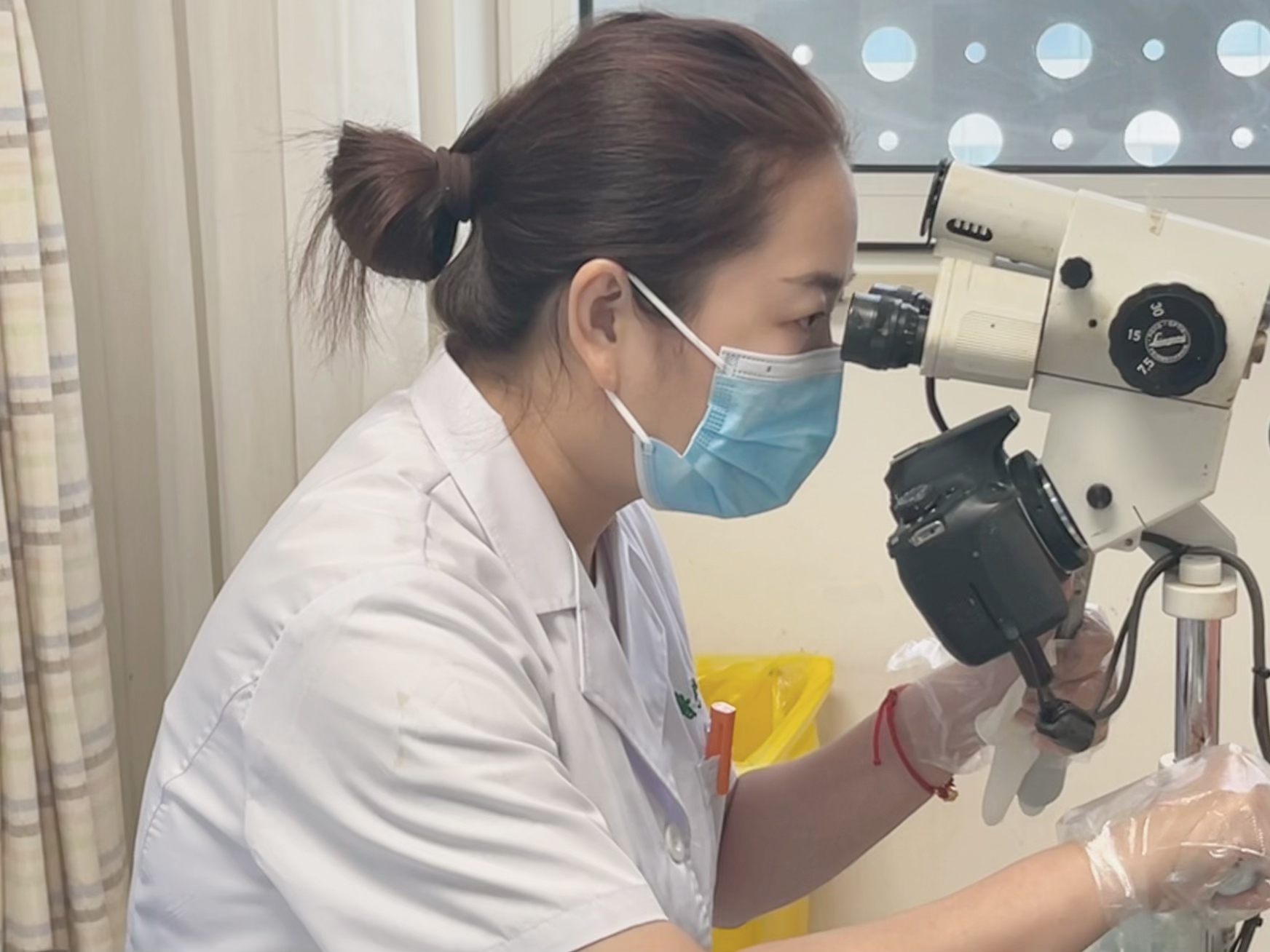
Patients often seek "HPV clearance medication," but currently there are no drugs that can directly kill HPV. I often prescribe an "immunity regimen" for patients: get at least 7 hours of sleep per day, engage in brisk walking three times a week, and reduce sugar intake. For patients under 30 years old, following this regimen results in a clearance rate exceeding 80%. For persistent infections in patients over 35 years old, interventions such as laser therapy or LEEP can be combined to manage lesions.
Vaccination plus screening provides dual protection, both are indispensable.
The 9-valent vaccine can prevent 90% of high-risk types, but some may still slip through. It is recommended that individuals over 25 undergo a TCT test every 3 years, and those over 30 combine it with HPV screening, continuing until before the age of 65. The aunt cured last week said, "I persisted with screening for 10 years, and precancerous lesions were detected and removed early."
Finally, I want to say: A positive HPV result is a "health reminder" from your body, not a doomsday notice. Regular screening and boosting your immunity—we will get through this together.